Kanazawa Experience
There Are No Trash Cans — So Why Is Japan So Clean?
A Local Guide Explains the Simple Reason
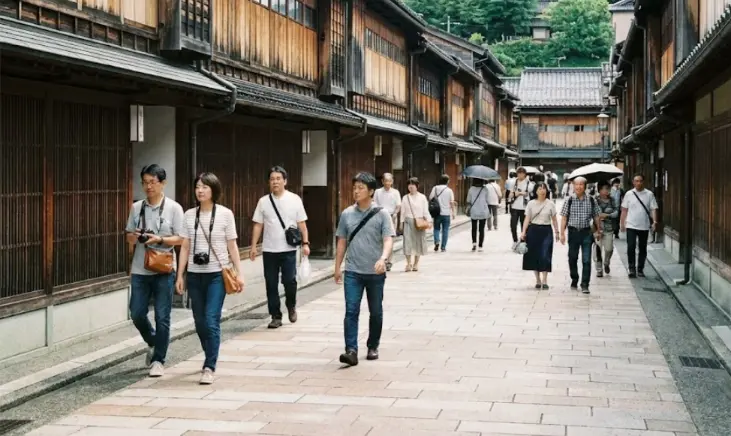
While guiding travelers in Japan, there is one question I hear again and again.
A guest finishes a snack, looks around while holding the empty wrapper, and asks:
“Where is the trash can?”
I usually have to answer with a small apology.
“I’m sorry — there isn’t one nearby.”
The reaction is almost always the same.
“No trash cans? Then why is this street so clean?”
This is one of the biggest mysteries travelers encounter in Japan.
There is no magic involved, and no one is secretly cleaning the streets all day.
The answer is much simpler — and very Japanese.
Not “Clean It Later,” but “Don’t Make It Dirty”
Imagine what many Japanese people carry in their bags.
A small plastic bag. Used tissues. Empty wrappers.
The key to Japan’s cleanliness is a simple assumption:
If there’s no place to throw something away, you keep it with you.
From a young age, people are taught that public spaces belong to everyone.
Just as no one deliberately throws trash on the floor of their own room,
streets, parks, and stations are treated as extensions of everyday life.
So if there is no trash can, people wait.
They carry their trash home.
Cleaning staff do important work, of course.
But more than that, many people make small, everyday choices not to litter.
That is why streets stay clean — even without trash cans.
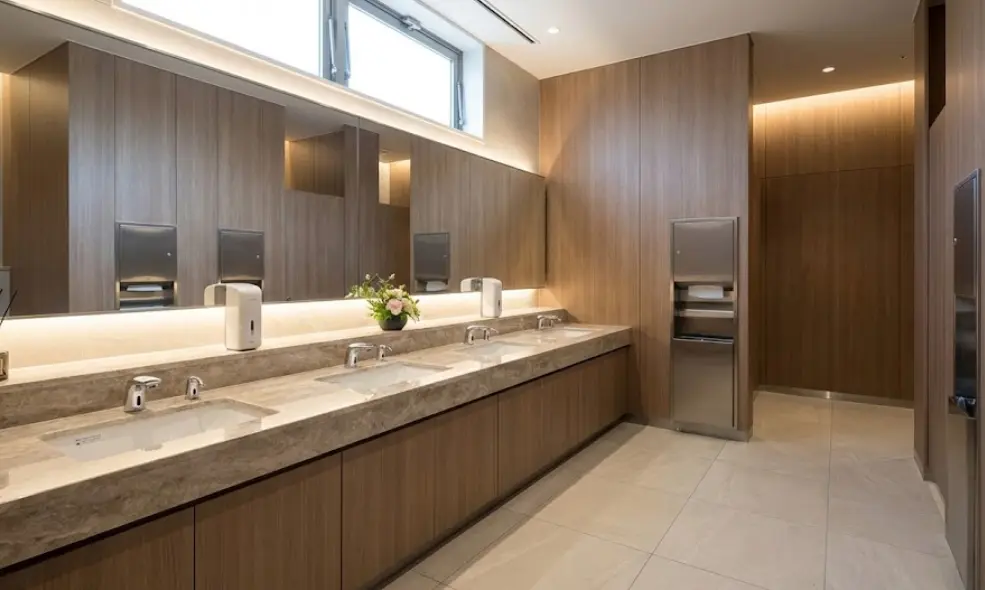
Free Public Toilets — and Surprisingly Clean
Another thing that leaves a strong impression on travelers is public restrooms.
At stations, parks, department stores, and sightseeing areas,
public toilets in Japan are usually free to use — and remarkably clean.
Visitors often say:
“If it’s this clean, I wouldn’t mind paying.”
So why does this system work?
For the same reason.
People naturally think about the next person who will use the space.
If something is dirty, they wipe it.
If supplies are low, they replace them.
Not because someone is watching, but because someone else will come next.
This quiet consideration, passed from one user to another, keeps public spaces clean.
Cleanliness Reduces Travel Stress
Clean streets and clean restrooms are not just about appearance.
For travelers, they create something far more important: peace of mind.
You don’t have to worry about where you sit
You don’t constantly think about hygiene
You can drink water freely without stressing about restrooms
In other words, you spend less energy worrying — and more energy enjoying the journey.
Even without understanding the language,
even without knowing the area well,
there is a sense that “this place will be okay.”
Japan’s cleanliness works as invisible infrastructure, quietly supporting the entire travel experience.
You Can Be Part of the Clean Scenery
While traveling in Japan, try not to focus on what could go wrong.
Look up. Notice the streets. Enjoy the calm.
If you have trash and can’t find a bin, just hold onto it for a while.
Put it in your pocket or bag, like many locals do.
In that moment, you’re not just a visitor —
you’re helping create the clean scenery you’re enjoying.
What Comes Next
This level of cleanliness doesn’t exist by chance.
But instead of asking why people clean so well,
it may be more useful to ask something simpler.
What happens if something is thrown away?
When that question becomes easy to imagine,
“clean it later” quietly turns into
“don’t make it dirty in the first place.”
That way of thinking is what we’ll look at next.