Kanazawa Experience
Taniguchi Yoshirō’s Architectural Legacy: 10 Must-See Highlights in Kanazawa
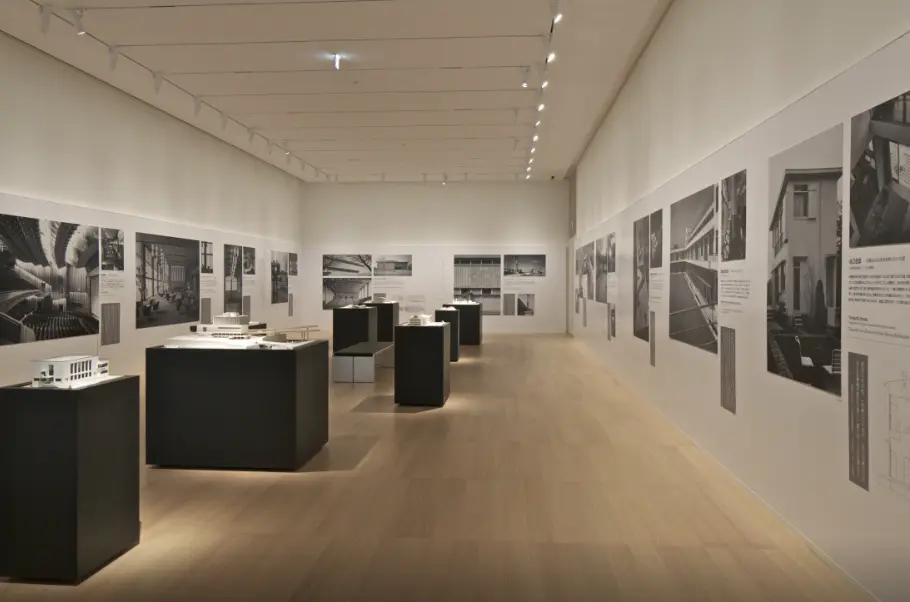
Interior view of the Taniguchi Yoshirō Memorial Kanazawa Architecture Museum
Taniguchi Yoshirō is celebrated for blending traditional Japanese aesthetics with modern minimalism. His work emphasizes harmony, natural light, and a deep respect for the relationship between people and the environment.
At the Taniguchi Yoshirō Memorial Kanazawa Architecture Museum, visitors can explore his philosophy through models, sketches, and immersive exhibits that showcase his most influential designs.
This article introduces 10 architectural highlights connected to Taniguchi’s legacy—perfect for travelers who love culture, design, and modern Japanese architecture.
1. The Museum Building Itself: Modernism Meets Tradition
Designed by Taniguchi, the museum is a living expression of his architectural values.
Simple lines, natural materials, and an elegant balance of glass, wood, and steel create a space where traditional Japanese elements blend seamlessly with modern design.
Natural light flows throughout the building, creating soft transitions between interior and exterior.
The space feels calm, deliberate, and beautifully minimal—an ideal starting point to understand Taniguchi’s worldview.
2. Nature as a Design Partner
Taniguchi believed architecture should coexist with the natural world instead of dominating it.
His projects often incorporate local materials, carefully framed views, and layouts that guide visitors toward nature.
At the museum, displays highlight how he integrated landscapes into his work—from gardens to courtyards to water features—creating buildings that feel rooted in their environment.
3. Kamoike Village: Redefining Rural Architecture
One of Taniguchi’s most respected rural works, the Kamoike Village Project, reimagines traditional village homes through a modern lens.
The houses were designed using timber, stone, and clean geometric forms, positioned to maximize light and preserve harmony with the surrounding landscape.
This project shows how Taniguchi applied his design principles not only to museums and urban buildings but also to everyday rural life.
4. Kanazawa Museum of Contemporary Art
This museum demonstrates how architecture can enhance the visitor experience.
Taniguchi designed the building as an extension of the artwork inside—quiet, minimal, and filled with natural light.
The galleries flow smoothly from one to another, allowing visitors to move naturally through the space.
Light becomes a key design feature, creating shifting atmospheres that complement each exhibition.
5. Zen Principles in His Designs
Many of Taniguchi’s works incorporate Zen-inspired concepts such as simplicity, balance, and intentional use of negative space.
Carefully planned courtyards, open walkways, and uncluttered rooms encourage a slower pace and peaceful contemplation.
His architecture often feels like an invitation to breathe, reflect, and reconnect with the surrounding environment.
6. Kyoto International Conference Center
One of his major urban works, this building demonstrates how modern architecture can respect traditional Japanese forms.
Soft curves, natural materials, and low, horizontal lines create harmony with the surrounding hills.
The interior spaces combine practicality with beauty, showing Taniguchi’s skill at designing for both function and atmosphere.
7. Mastery of Materials
Taniguchi used materials not only for structural purposes but also for emotional effect.
Glass creates openness and dissolves barriers between outside and inside
Stone provides grounding and permanence
Wood adds warmth and a connection to nature
The museum exhibits illustrate how he chose materials with great intention to shape the feeling of each space.
8. Light as a Central Design Element
For Taniguchi, light is one of the most powerful architectural tools.
He used windows, skylights, and reflective surfaces to shape how visitors experience each room.
Soft shadows, glowing spaces, and carefully framed beams of sunlight create ever-changing atmospheres that encourage visitors to slow down and observe.
9. Architecture as Emotional Experience
Taniguchi believed architecture should move people.
His designs are not only functional—they are emotional landscapes shaped through simplicity, proportion, and intentional space.
The museum’s layout invites visitors to experience different moods as they move through each room, showing how architecture can guide human feelings.
10. A Legacy That Continues to Inspire
Taniguchi Yoshirō’s work remains influential across Japan and around the world.
His buildings are admired for their quiet beauty, their sensitivity to place, and their ability to create a deeper connection between people and the spaces they inhabit.
Visiting the Kanazawa Architecture Museum offers a rare chance to explore not only his famous works but the ideas and philosophies that shaped them.
Final Thoughts
Whether you’re an architecture lover or simply curious about modern Japanese design, Taniguchi Yoshirō’s legacy offers a rich and meaningful experience.
His work reminds us that architecture is more than structure—it is a dialogue between people, nature, and space.
© 2024 Kanazawa Experience. Affiliate Links