Kanazawa Experience
Tips and Manners in Takayama: Travel Respectfully in Japan’s Timeless Mountain Town
1. Introduction: A Living Town, Not a Museum
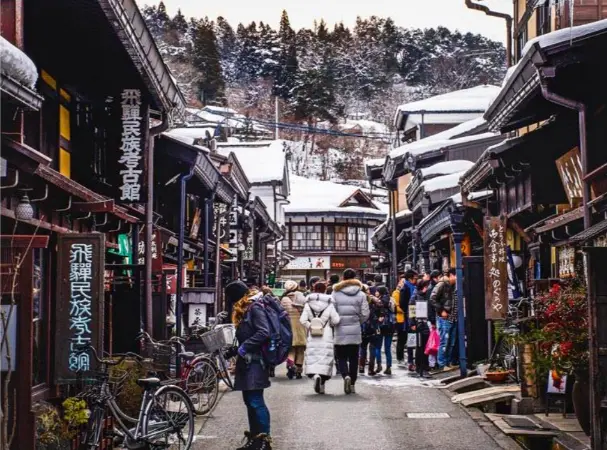
Takayama is often admired for its beautifully preserved streets and Edo-period atmosphere — but it is important to remember that this is a living town, not an open-air museum.
Behind the wooden facades and noren curtains, people still live, work, and raise their families.
Exploring Takayama respectfully means walking with awareness — speaking softly, being considerate of others, and appreciating that you are part of the town’s rhythm, not separate from it.
By traveling gently, you help protect what makes Takayama special: the harmony between heritage and everyday life.
2. Respect for Residents and Private Homes
Many of the old wooden buildings in Takayama’s historic district are private homes or workshops.
While their appearance may invite curiosity, please keep in mind that residents continue to use these spaces in their daily lives.
A few important reminders:
🚫 Do not enter private properties or gardens unless clearly open to the public.
📸 Avoid close-up photos of residents or private windows.
🔇 Keep voices low, especially in early mornings or at night.
🙏 Greet locals politely — even a simple “Konnichiwa” or smile is appreciated.
🚯 Do not litter or leave food waste on doorsteps or benches.
Respect creates connection.
When visitors show courtesy, the town remains welcoming — and its quiet dignity endures.
3. Visiting Temples, Shrines, and Old Houses
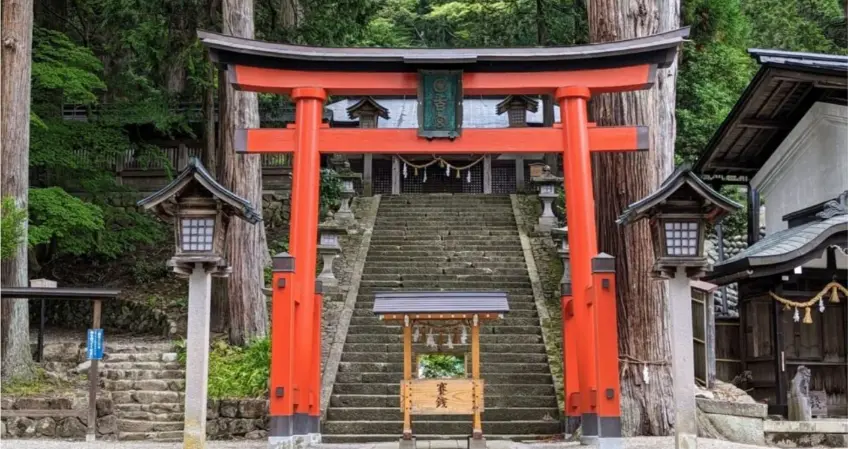
Takayama is home to many shrines, temples, and preserved heritage buildings — each with its own story and spiritual meaning.
When visiting these places, a few simple manners can help you experience them with deeper appreciation.
At Shrines and Temples:
🙏 Bow lightly before entering a sacred area.
💧 Purify your hands and mouth at the water basin (temizuya) before approaching the shrine.
🕯 Avoid loud conversations or phone use within temple grounds.
📸 Photography may be restricted inside halls — look for signs or ask staff before taking pictures.
At Heritage Buildings and Museums:
👞 Remove your shoes when required.
🚫 Do not touch old wood, scrolls, or artifacts unless permitted.
🧣 Handle sliding doors (fusuma / shoji) gently — they are often delicate and centuries old.
These gestures show that you understand not only the value of the place but also the spirit that lives within it.
4. Photography Etiquette
Takayama is photogenic — every street, bridge, and lantern seems made for a camera.
But with great beauty comes responsibility.
✅ Do:
Capture the atmosphere of streets and seasonal landscapes.
Visit early morning or late afternoon for soft light and fewer crowds.
Ask politely if you wish to photograph shopkeepers, artisans, or residents.
🚫 Don’t:
Block narrow streets or entrances while taking photos.
Use drones — they are prohibited in most areas of the old town.
Enter private property or gardens for better angles.
Use flash inside temples or traditional shops.
Takayama rewards patience and mindfulness — sometimes the most meaningful picture is the one you take slowly, with your eyes before your lens.
5. Shopping and Dining Etiquette
Shopping and eating in Takayama are wonderful ways to connect with local life.
Most shops and restaurants are family-run, and every gesture of politeness is warmly appreciated.
🛍 When Shopping:
Greet shopkeepers with a smile or light bow when entering.
Handle items gently — especially handmade crafts or antiques.
Avoid opening packages or taking photos without permission.
If you decide not to buy something, simply smile and say, “Arigatou gozaimasu” (thank you).
🍱 When Dining:
Wait to be seated; many restaurants will guide you to a table.
If eating at a counter, leave space for others.
Use both hands when accepting or passing dishes.
Avoid walking while eating — it’s polite to finish food before moving on.
Many small eateries prefer cash; larger ones may accept cards.
Politeness is simple but powerful — it turns every meal or purchase into a shared moment of respect.
6. Walking and Traffic Rules
Takayama’s narrow streets are shared by locals, vehicles, cyclists, and travelers, so walking with care keeps everyone safe and comfortable.
🚶 Walk on the left side of the road, and avoid blocking the way when stopping for photos.
🚗 Small delivery vans and local cars use these roads daily — stay alert at corners.
🚭 Smoking is prohibited while walking and allowed only in designated areas.
🗑 Trash bins are rare — carry your waste until you find one or take it back to your hotel.
🐕 Pets should be leashed and kept close in crowded streets.
Remember: these are not tourist streets; they are neighborhoods where people live.
A calm pace and quiet footsteps show that you understand that balance.
7. Seasonal Awareness and Safety
Takayama’s beauty changes dramatically with each season — and so do the conditions for travel.
❄ Winter (Dec–Mar):
The town becomes a snow-covered wonderland.
Wear waterproof shoes with grip, and allow extra time for walking or driving.
Heated cafés and hot-spring baths are perfect warm stops.
🌸 Spring (Apr–May):
Cherry blossoms bloom around the old town and temples.
Mornings are chilly; dress in layers.
The Spring Takayama Festival attracts many visitors — plan accommodations early.
☀ Summer (Jun–Aug):
Warm, humid days bring mountain breezes and evening cicadas.
Stay hydrated, use sunscreen, and carry a light umbrella for sudden showers.
🍁 Autumn (Sep–Nov):
A favorite season for photographers — bright foliage and clear skies.
Crowds increase during the Autumn Takayama Festival, so move early in the day for quiet moments.
By preparing for the season, you can enjoy Takayama’s natural rhythm safely and comfortably.
8. Travel Mindset: Appreciation and Gratitude
More than any rule, what truly matters in Takayama is your mindset.
This is a place where people live in harmony with nature and tradition — and visitors are welcomed as part of that circle.
When you walk through the old streets, take time to notice the small things:
the scent of cedar, the laughter of shopkeepers, the warmth of the sunlight on old wooden walls.
Offer a smile, say “Arigatou” or “Sumimasen” when needed, and travel with patience.
In doing so, you’ll find that Takayama gives back more than you expect — a quiet connection, a moment of peace, a sense of belonging.
To visit Takayama is not only to see Japan’s past — it is to feel its heart, still beating gently in the mountains.
© 2024 Kanazawa Experience. Affiliate Links