Kanazawa Experience
Takayama Festival Floats Exhibition Hall – The Art & Spirit of Japan’s Grand Mountain Festival
1. About the Yatai Kaikan – Where Craftsmanship Becomes Culture
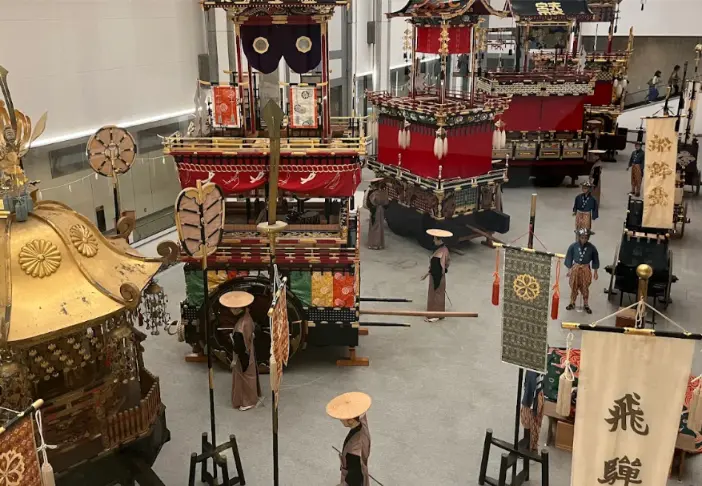
The Takayama Festival Yatai Kaikan is one of the most stunning cultural attractions in the Hida region.
Located beside Sakurayama Hachiman Shrine, this museum displays the towering, elaborately decorated festival floats (“yatai”) used in the famous Takayama Autumn Festival, one of Japan’s most celebrated traditional festivals.
Unlike the old streets of Sanmachi Suji, which show Takayama’s everyday merchant life, or Takayama Jinya, which represents political authority, the Yatai Kaikan showcases the artistic, spiritual, and communal heart of Takayama.
Here, the town’s identity is expressed in:
intricate wood carvings
lacquered panels
gold-leaf decorations
ornate textiles
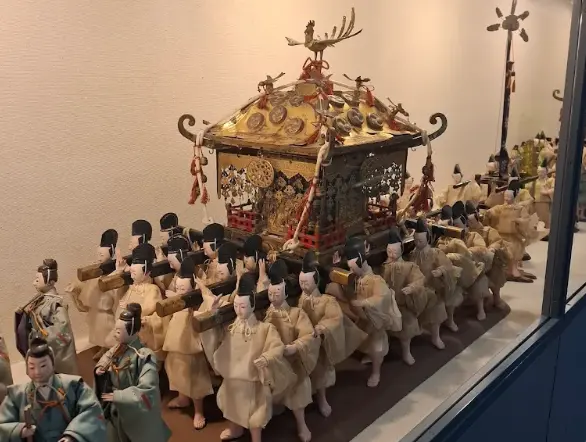
mechanical karakuri dolls
towering float structures
These floats represent centuries of craftsmanship passed down through generations.
They are not merely festival props — they are the crowning achievements of Hida’s artisans, people whose skill was so respected that they were sent to work on castles and palaces across Japan.
Inside the museum, the floats stand fully assembled, allowing visitors to see their true scale. The moment you step inside, the atmosphere changes: the hall is tall, quiet, and softly lit so that the gold, lacquer, and textiles stand out with dramatic depth.
Seeing the floats up close provides a completely different understanding of Takayama.
The town is not only a preserved Edo-style destination — it is a place where living traditions, artistry, and spiritual pride create a festival considered one of the most beautiful in Japan.
2. History of the Takayama Festival & the Float Tradition
Origins of the Festival
The Takayama Festival (“Takayama Matsuri”) is believed to date back to the 16th–17th century.
Its origins are closely tied to:
the prosperity brought by timber and trade
the organization of merchant guilds
the shogunate’s direct rule over the region
the strong presence of artisans in the Hida area
Over time, neighborhoods (“yatai-gumi” communities) constructed floats to express their status, devotion to the shrine, and artistic pride.
The Role of Sakurayama Hachiman Shrine
The autumn festival is dedicated to Sakurayama Hachiman Shrine, just next door to the museum.
This relationship between shrine and festival defines the spiritual backbone of Takayama’s community.
Float Evolution Across Centuries
The festival floats grew increasingly elaborate, reflecting innovations in:
woodworking
gold-leaf application
lacquer artistry
textiles and embroidery
metalwork
mechanical puppetry (“karakuri”)
Each float represents a neighborhood identity, and families historically donated labor, materials, and craft skills to maintain and upgrade the yatai over generations.
Cultural Recognition
The Takayama Festival is part of Japan’s Important Intangible Cultural Properties, and the floats themselves are designated as Important Tangible Folk Cultural Properties.
The floats exhibited in the Yatai Kaikan rotate throughout the year — preserving items from weather damage while allowing visitors to see multiple examples of this extraordinary art.
3. Layout of the Museum – Walking Through the Hall of Giants
The museum’s design is intentionally spacious to replicate the feeling of encountering floats on festival day.
The Float Hall
Upon entering, visitors stand before several towering floats. The lighting emphasizes their structure and detail without overwhelming the senses.
The hall typically contains four floats at a time, selected from the dozens used in the festival.
Because the floats are rotated seasonally, returning visitors may see different displays each time.
Structural Highlights
Each float includes:
Yatai-dome: the tall decorative roof
Panels carved with dragons, phoenixes, or folklore scenes
Gold and lacquer surfaces that catch the light
Karakuri dolls capable of precise movements
Wheels and wooden axles assembled by specialist craftsmen
Textile banners and tassels made with silk thread
Being able to walk around the floats — front, back, and sides — lets visitors appreciate details impossible to see during the festival itself.
Observation Balconies
Some areas of the museum provide elevated viewpoints, allowing guests to:
examine the upper carvings
look into upper balconies of the floats
study textile patterns up close
These levels are especially useful for photographers and those interested in design.
Display Panels & Models
Informational panels explain:
the origins of each float
the symbolism of decorations
the cultural meaning of the yatai-gumi neighborhood system
how floats are dismantled, stored, and maintained
Scale models illustrate how floats move through Takayama’s narrow streets and how karakuri mechanisms operate.
Audio-visual Room
A short film introduces:
festival preparations
float construction
scenes from past festivals
nighttime procession and lantern lighting
This video provides essential context that enriches the museum experience.
4. The Craftsmanship – Hida Artistry at Its Peak
Takayama is famous for its carpenters, known historically as Hida no Takumi (“the Master Craftsmen of Hida”).
The yatai are the living stage where their skill is fully revealed.
Wood Carving
The floats feature dramatic carvings:
dragons twisting through clouds
scenes from Chinese legends
delicate floral motifs
fierce guardian figures
Some carvings are so fine that light passes through the wood like lace.
Lacquer & Gold Leaf
The lacquer surfaces require:
multiple layers
careful polishing
precise gold-leaf application
The glowing black-and-gold combinations give the floats an air of formal elegance.
Textiles & Embroidery
Costumes for karakuri dolls and banners include:
silk threads
metallic fibers
rich colors like crimson and indigo
These textiles reflect centuries of Takayama’s merchant wealth and textile trade.
Mechanical Puppetry – Karakuri Ningyō
Karakuri dolls are among the museum’s most popular attractions.
They are operated by:
gears
strings
counterweights
hidden levers
Movements can include:
writing characters
dancing
flipping
moving objects
interacting with other dolls
During the festival, puppeteers must perform with careful precision, coordinating timing with flute and drum rhythms.
Why the Craft Matters
The floats are more than works of art.
They represent:
community identity
pride in craftsmanship
dedication to tradition
centuries of cultural memory
Inside the Yatai Kaikan, visitors can sense this spirit in every carved line.
5. Seasonal Atmosphere of the Exhibits
The museum experience varies subtly by season, similar to the old town and riverside areas.
Spring – Soft Light & Festival Preparations
Spring light is gentle, highlighting lacquer and gold surfaces without glare.
Some floats may be freshly restored after winter maintenance.
Summer – Bright Colors & Cool Interiors
The museum’s interior feels cool in contrast to the warm streets.
Visitors appreciate the respite and the vivid glow of summer sunlight filtering through high windows.
Autumn – Festival Season Magic
October is festival season.
The museum becomes busier as visitors come to see floats before or after the actual event.
Displays sometimes include special panels about the autumn parade.
Winter – Quiet, Reflective Ambience
Fewer visitors and soft winter light create a quiet atmosphere.
This season is perfect for slow appreciation of fine details.
6. Access & Visit Tips
Location
The Yatai Kaikan is located directly beside Sakurayama Hachiman Shrine, making it easy to combine the two (but as別記事扱いにするのは正しい判断です).
From Takayama Station
About 20 minutes on foot
Or 5 minutes by taxi
Pleasant walk through the old town if combined with Sanmachi Suji
Suggested Visit Duration
Standard visit: 40–60 minutes
Detailed appreciation: 60–90 minutes
With video screening: add 10 minutes
Best Time of Day
Morning: calm and less crowded
Early afternoon: best lighting inside
Late afternoon: quieter again once tours leave
7. Traveler Tips & Etiquette
No flash photography — delicate surfaces must be protected
Keep distance from the floats
Move slowly — the hall is tall but walkways can be narrow
Watch the video first if available
Combine with Sakurayama Shrine afterward for a natural flow
Because the floats are cultural treasures, respect for space and photography rules is essential.
8. In Summary – Why Yatai Kaikan Is #4
The Yatai Kaikan ranks #4 because it reveals a side of Takayama that cannot be understood from the old streets alone:
the artistry behind the festival
the devotion of the neighborhoods
the spiritual connection to the shrine
the extraordinary craftsmanship of Hida artisans
the sense of living tradition preserved across centuries
The museum is not simply an exhibition hall —
it is the sacred backstage of one of Japan’s greatest festivals.
© 2024 Kanazawa Experience. Affiliate Links