Kanazawa Experience
Sakurayama Hachiman Shrine – The Spiritual Origin of Takayama’s Autumn Festival
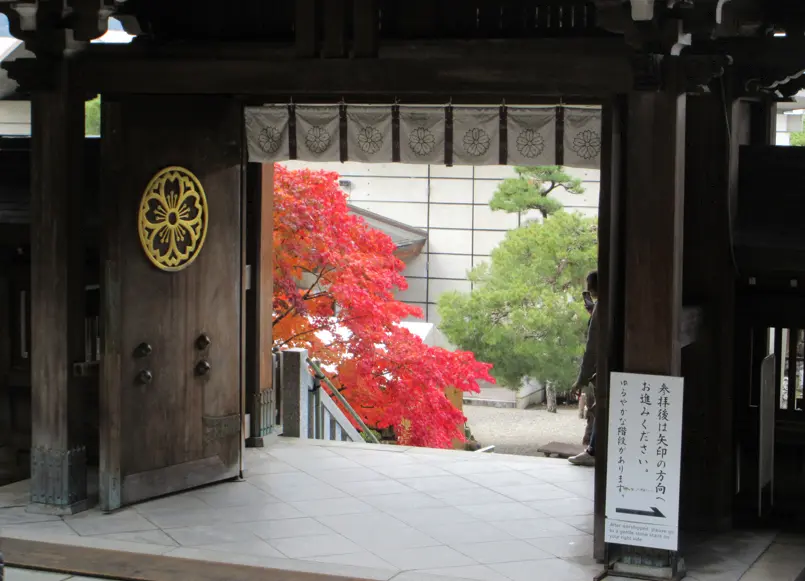
1. About Sakurayama Hachiman Shrine – The Spirit Behind Takayama’s Culture
Sakurayama Hachiman Shrine stands at the northern edge of Takayama’s old town, embraced by tall cedar trees and quiet residential lanes.
While Sanmachi Suji shows the refined merchant life of Takayama, and the Yatai Kaikan reveals the extraordinary craftsmanship of the festival floats, Sakurayama Hachiman Shrine represents the spiritual core that binds these traditions together.
The shrine is the guardian of Takayama, dedicated to Hachiman, the Shinto deity associated with protection, harmony, and communal prosperity.
This shrine is not only a religious space — it is the birthplace and spiritual home of the Takayama Autumn Festival, one of Japan’s most celebrated traditional festivals.
Visitors immediately notice the change in atmosphere when approaching the shrine:
tall cedar trees filtering the sunlight
a deep sense of stillness
wooden torii gates marking the entrance to sacred space
the sound of leaves stirring in the wind
a gentle contrast to the lively old town streets nearby
Where the rest of Takayama may feel warm and bustling, Sakurayama Hachiman Shrine feels cool, dignified, and calm, offering a quiet retreat where travelers can reflect and breathe.
More than a sightseeing spot, this shrine is a place where centuries of devotion, craftsmanship, and community pride flow together, forming the cultural heart of Takayama.
2. History & Cultural Significance
Origins in the 4th–5th Century
Sakurayama Hachiman Shrine is believed to have ancient origins, with early forms of worship dating back more than 1,000 years.
While the exact founding date is unclear — as many Shinto shrines evolved over centuries — records indicate that the shrine existed in some form by the Heian period (794–1185).
Guardian Shrine of Takayama
As Takayama expanded during the medieval and Edo periods, the shrine became:
the guardian deity of the city
the cultural anchor for mountain communities
the center of seasonal rituals and festivals
a symbol of communal protection and prosperity
Hida’s timber wealth and craftsmanship placed Takayama in an important role nationally, and the shrine’s influence grew accordingly.
Connection to the Autumn Festival
The Takayama Autumn Festival (Hachiman Matsuri) is inseparable from this shrine.
Held every October, it is dedicated specifically to Sakurayama Hachiman Shrine and features:
ornate festival floats
karakuri puppet performances
lantern-lit evening processions
centuries-old rituals
the participation of traditional neighborhood groups
This relationship elevates the shrine from a regional religious site to a nationally significant cultural landmark.
Preservation Through Centuries
Despite fires, earthquakes, and wars, the shrine has been carefully preserved, rebuilt, and restored.
Its current architectural form reflects Edo-period design with modern restoration that respects traditional techniques.
3. Shrine Layout – Approaching the Sacred
The quiet beauty of Sakurayama Hachiman Shrine comes from its simple, elegant layout and the way it blends with the surrounding forest.
The Torii Gate
The approach begins at a large wooden torii gate.
Passing under this gate symbolizes entering sacred space — a shift from the everyday world into a place of purity.
Stone Stairway & Tree-Lined Path
A short climb along stone steps brings visitors toward the main grounds:
tall cedar trees rise on both sides
filtered light creates shifting patterns
the air grows cooler and more fragrant
This pathway sets a slow, thoughtful pace, preparing guests for the main shrine.
Main Sanctuary (Honden)
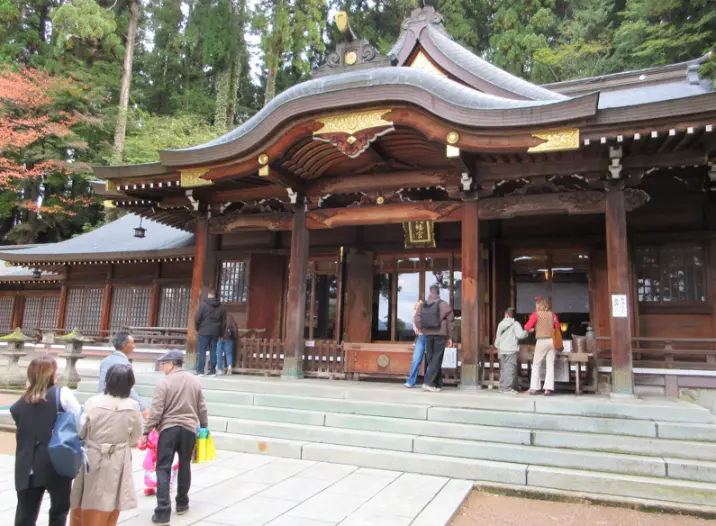
The main sanctuary showcases:
wooden construction with simple but dignified ornamentation
a steep roofline characteristic of Hachiman shrines
deep eaves creating shadow and calm
a sense of verticality balanced by the forest canopy
Visitors may offer prayers with:
a small bow
a coin into the offering box
two bows, two claps, one bow (the typical Shinto ritual)
Even for international visitors unfamiliar with Shinto, the environment encourages quiet respect.
Side Shrines & Auxiliary Buildings
Smaller shrines around the precincts honor related deities and local guardian spirits.
These spaces offer peaceful corners ideal for slow exploration.
The Festival Float Entrance (Link to Yatai Kaikan)
A side street to the right of the entrance leads directly to the Yatai Kaikan, the museum where festival floats are kept.
Although you are handling these as separate articles(正しい判断!), the physical proximity of the two sites explains their cultural relationship.
4. Highlights of Sakurayama Hachiman Shrine
1. The Cedar Forest Atmosphere
Perhaps the most memorable feature is the forest-like feeling inside the shrine grounds:
towering trees
filtered sunlight
cool, soft air
the sound of wind instead of crowds
For many travelers, this moment of calm becomes one of their favorite memories in Takayama.
2. Shrine Architecture
The wooden architecture is understated but exquisite:
beautifully aged timber
carefully aligned beams
minimal decoration for dignified purity
subtle gold accents or painted details in certain areas
This restrained style reflects Takayama’s mountain identity.
3. Purification Fountain (Temizuya)
Here, visitors can observe or participate in the traditional cleansing ritual:
rinse left hand
rinse right hand
rinse mouth (optional)
cleanse the ladle
Even without performing it, simply watching the water flow adds to the shrine’s serene mood.
4. Festival Link – Spiritual Anchor of the Autumn Matsuri
The shrine grounds are where:
floats gather
rituals begin
puppeteers perform blessings
lanterns are lit
townspeople celebrate centuries of tradition
Even when the festival is not taking place, the shrine holds the echo of the event in its atmosphere.
5. Quiet Corners & Sub-Shrines
Small corners behind the main sanctuary often have:
mossy stone lanterns
tiny altar spaces
trickling water
deep shade
These details give the shrine an almost hidden beauty rarely found in busier tourist spots.
5. Seasonal Atmosphere of Sakurayama Hachiman Shrine
Spring – Fresh Green & Soft Breezes
Spring brings:
bright new leaves on the cedars
gentle breezes through the entrance path
warm wooden tones in soft sunlight
This season feels refreshing and hopeful.
Summer – Deep Shade & Clean Mountain Air
Summer transforms the shrine into a cool retreat:
cedars provide natural shade
the air under the trees feels cooler than the streets
faint sounds of cicadas mix with wind through leaves
Many visitors sit quietly on benches just to enjoy the coolness.
Autumn – The Festival Season
October is the shrine’s most energetic period:
preparations for the Takayama Autumn Festival
lanterns hung along approach paths
neighborhoods gathering at the shrine
floats nearby in ritual formation(though stored in Yatai Kaikan off-season)
The shrine feels alive with history and celebration.
Winter – Silent, Snowy, Beautiful
Winter is magical:
snow cushions the roofs
footsteps become soft
trees stand tall against white surroundings
the shrine feels sacred and almost timeless
This is one of the best seasons for atmospheric photography.
6. Access & Best Time to Visit
Location
Sakurayama Hachiman Shrine is located:
just north of Sanmachi Suji
beside Yatai Kaikan
within a 15–20 minute walk from Takayama Station
Best Time of Day
Morning: quiet and spiritual
Afternoon: soft light under the trees
Evening: serene atmosphere (though shrine buildings close at sunset)
Suggested Visit Duration
Standard visit: 20–30 minutes
Slow appreciation: 40–60 minutes
With Yatai Kaikan combo: 1.5–2 hours
7. Traveler Tips & Etiquette
Bow lightly at the torii gate before entering.
Keep voices low; sound travels under the trees.
Photography is allowed, but avoid shooting people praying.
Do not enter roped-off or sacred areas.
In winter, stone paths can be slippery — wear proper shoes.
Respect local worshippers, especially in festival season.
This shrine is an active religious site, not just a tourist attraction.
8. In Summary – Why Sakurayama Hachiman Shrine Is #5
Sakurayama Hachiman Shrine deserves its place as the fifth top attraction in Takayama because it represents:
the spiritual heart of the town
the origin of the Autumn Festival
the calmest and most dignified space in the city center
a place where history, nature, and culture merge beautifully
Sanmachi Suji shows Takayama’s elegance.
Miyagawa shows its everyday rhythm.
The Yatai Kaikan shows its artistic mastery.
Sakurayama Hachiman Shrine shows its soul.
© 2024 Kanazawa Experience. Affiliate Links