Kanazawa Experience
Stepping Back in Time: A Warm, Nostalgic Walk Through the Hida Takayama Retro Museum
1. Welcome to the Past – Your Time Travel Begins Here
If you’ve ever wondered what everyday life in Japan felt like before smartphones, convenience stores, and modern neon cities, the Hida Takayama Retro Museum is the perfect time machine. Tucked just a short walk from Takayama’s old town, this museum invites you into the warm, charming world of Japan’s Showa era (roughly the 1950s–1970s). It’s a place filled with laughter, surprises, and tiny details that bring a forgotten time back to life.
Visitors often describe the museum as “comforting,” “surreal,” or even “strangely emotional.” You don’t need to know anything about Japanese history to enjoy it—the feelings come naturally. The Showa era was a time of small barber shops, family-owned candy stalls, bulky televisions, and homes lit by the soft glow of round lamps. It was an age when life felt slower, handmade, and full of personality. And here, in this cozy museum, you can step right into that world.
Rather than displaying items behind glass cases, the Retro Museum recreates an entire neighborhood from the past. You don’t just look at the exhibits—you walk into them, touch them, and even play with old toys. It’s less like visiting a museum and more like visiting someone’s childhood home.
For travelers coming to Takayama for its traditional streets and mountain atmosphere, this spot adds a completely different layer of charm. You experience not only the Edo-era history of the town, but also the mid-20th-century memories of everyday Japan. It’s the perfect complement to Takayama’s preserved old town: one shows the merchant culture of the past; the other shows how ordinary people actually lived and grew up.
2. What the Retro Museum Is All About – A Living Memory of the Showa Era
The Hida Takayama Retro Museum is built around one simple concept:
“Everyday Japanese life in the Showa period should be experienced, not only viewed.”
Instead of arranging objects in rigid showcases, the museum creates immersive environments. Entire rooms are rebuilt using original furniture, real household items, and authentic local materials. Many visitors say it feels like walking onto a film set—except more real, because everything you see is an actual item used by real people decades ago.
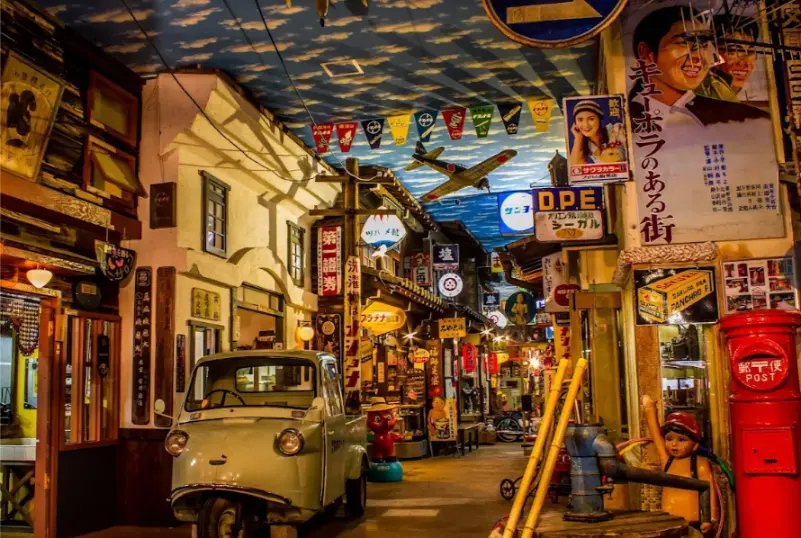
The layout is clever and intuitive. As soon as you enter, you are surrounded by retro music, warm lighting, and colorful posters from the 60s and 70s. The building is divided into themed sections: a recreated shopping street, an old-style Japanese living room, a children’s play corner, and even a classroom filled with nostalgic educational materials. Each area represents a different slice of life, offering its own atmosphere and stories.
The Retro Museum also has an unusual strength:
it appeals to all ages.
Older visitors enjoy rediscovering memories from their youth; younger visitors find joy in discovering a world that feels almost magical; and international travelers get a rare peek into a “real-life Japan” that isn’t shown in temples, shrines, or famous tourist spots.
Photography is not only allowed—it’s encouraged. You’ll often see travelers posing with rotary telephones, sitting at school desks, or reenacting scenes from old Japanese dramas. Every corner is designed to be photogenic, making it a fun stop for families, couples, and solo travelers who enjoy playful, nostalgic content.
This museum is not a quiet, formal gallery. It’s lively, human, and full of charm. You’re invited to open drawers, pick up toys, ring old bells, and have fun exploring the textures of a world that disappeared long ago.
3. Walking Down a 1960s Street – Retro Shops, Neon Signs, and Childhood Memories
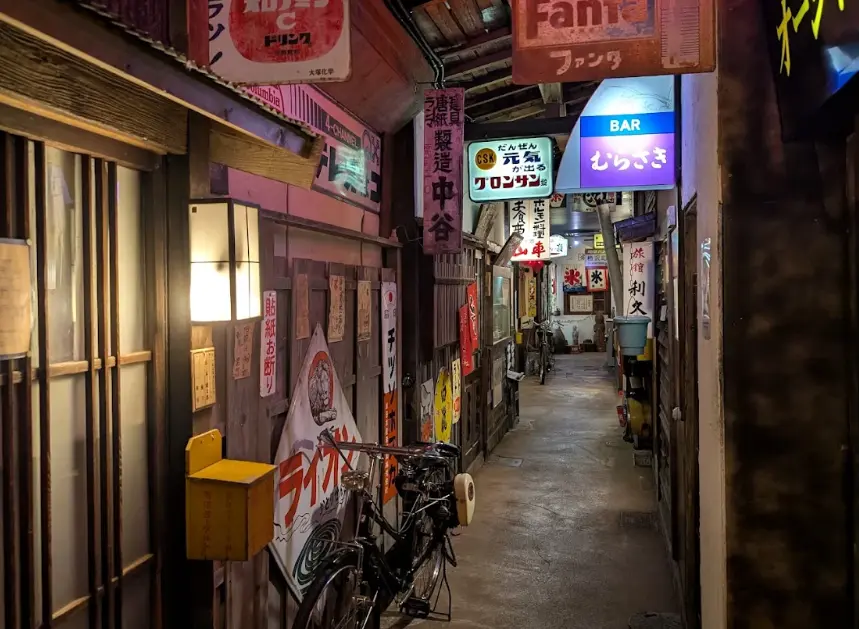
One of the highlights of the Retro Museum is its reproduction of a Showa-era shopping street. The moment you step into this recreated alley, you’re surrounded by warm yellow light, vintage wooden storefronts, and faded neon signs that look like they’ve been glowing for decades.
You’ll find:
a small barber shop with metal scissors, shaving brushes, and retro posters
a dagashi-ya (traditional candy store) full of colorful treats from the past
a toy shop displaying spinning tops, tin robots, yo-yos, and nostalgic snacks
a tiny fruit-and-vegetable stall with wooden crates
old vending machines with vintage drink logos
hand-painted signs, handwritten price tags, and classic Japanese typography
It feels like stepping into a 1960s Takayama neighborhood—a place where children ran barefoot in the streets, neighbors chatted outside their houses, and local shop owners recognized everyone who walked by.
Many exhibits are interactive. Visitors can open sliding doors, look inside cabinets, or even sit on the wooden benches in front of the “shops.” The spaces are compact and full of clever details, so you’ll keep discovering new things even if you walk through twice.
For international travelers, this corner of the museum feels especially unique. Most people are familiar with Edo-period Japan from movies, anime, or historic towns like Takayama’s Sanmachi Suji. But the Showa era is rarely shown in tourist locations. Seeing old advertisements, fashion magazines, hairstyles, toys, and household tools gives a surprisingly warm and human view of Japanese life—not samurai, not temples, but ordinary families trying to live happily in a changing world.
The recreated street also makes a great photo spot. The lighting is soft and nostalgic, and the storefronts have a handmade quality that feels almost cinematic. Many visitors say this area alone is worth the entrance fee.
4. Retro Appliances and Household Items – A Close Look at Daily Life in Old Japan
After exploring the street area, you’ll enter rooms filled with retro household items that define the Showa lifestyle. These aren’t replicas—they’re real objects collected from homes across Japan. The result is a deeply authentic and touching look at how people actually lived only a few decades ago.
You’ll find:
bulky black-and-white televisions with curved screens
wooden radios the size of suitcases
manual washing machines and old iron kettles
rice cookers with simple toggle switches
rotary telephones with satisfying clicks
children’s toys made of tin, wood, and metal springs
hand-sewn school bags, notebooks, and chalkboards
The details are wonderful.
The TV dials feel heavy and metallic.
School textbooks contain handwritten notes from kids long grown up.
Old refrigerators open to reveal glass bottles and classic product designs.
For visitors who grew up outside Japan, these everyday items feel both foreign and strangely familiar. Some appliances resemble objects used in many countries during the mid-20th century, while others—like bento boxes, tatami floor heaters, or kerosene lamps—are uniquely Japanese.
This section also shows the craftsmanship of the era. Things were built to last: solid wood, cast metal, thick wires. Even simple toys feel meaningful because they were made with care. Many travelers say this room feels like visiting their grandparents’ house, even if they’re not Japanese.
More importantly, it humanizes Japan’s past.
The museum reminds you that history isn’t only temples and warriors—it’s families, kitchens, schoolbags, radios, and the soft sounds of daily life.
5. Interactive Corners – Touch, Play, and Step Into the Showa Experience
One of the biggest surprises for visitors is how hands-on the Hida Takayama Retro Museum is. Many museums in Japan are strict about touching exhibits, but here the staff actually encourages you to interact with the items. This creates a sense of comfort and playfulness rarely found in historical attractions.
You’ll find a corner filled with retro games—simple, analog toys that brought joy to children long before video games existed. There are wooden ring toss sets, old-fashioned ball games, magnetic fishing toys, tin cars, and spinning tops that whir across wooden floors. Even adults find themselves laughing as they try these nostalgic pastimes.
A particularly charming area features a Showa-style living room, complete with a square kotatsu table, patterned cloth, woven cushions, old manga magazines, and a clunky television playing retro commercials. Visitors often sit down as if they’ve stepped into someone’s family home from the 1960s. It feels strangely intimate, like visiting a distant relative you’ve never met.
Some sections allow visitors to hold vintage telephones, press buttons on radios, open old refrigerators, or flip through magazines that show the fashion and pop culture of the era. There’s a sense of freedom and discovery that makes the museum feel alive.
Photography is a major part of the experience. You can capture yourself sitting at a school desk, posing in front of antique posters, or pretending to use old household appliances. Every corner feels like a ready-made backdrop for fun, nostalgic photos. Couples and families especially enjoy these moments, turning the museum into a warm and personal memory rather than just a sightseeing stop.
If available during your visit, you may find retro costume areas where you can wear old-style school uniforms, traditional clothing, or Showa-inspired outfits. Not every visitor chooses to dress up, but those who do often find the experience hilarious and unforgettable.
This interactivity is what sets the museum apart from ordinary exhibitions. It’s not about passively observing history, but about living inside it for an hour. You become part of the Showa world—touching it, laughing inside it, and creating your own stories from it.
6. The Hida Connection – How Local Life Shapes the Museum’s Nostalgia
Although the museum recreates Japan’s national Showa culture, many elements are uniquely connected to the Hida region, giving the experience an unmistakable Takayama flavor.
Hida Takayama was, and still is, a mountain town shaped by long winters, close-knit neighborhoods, and local craftsmanship. The retro items on display reflect this rural character. You might notice wooden crates stamped with old local brand logos, farm-related tools that were common in mountain villages, or rustic household items that differ from those used in big cities like Tokyo or Osaka.
For example, the kitchen area includes utensils and cookware typical of Hida households—thick wooden lids, ceramic pots for miso-based dishes, and containers used to store pickles made during winter months. These items highlight the resourcefulness of families who lived in colder climates and needed to prepare food that would last through snowy seasons.
Another interesting detail is the presence of regional advertisements from decades ago—posters for Hida sake, local shops, or nostalgic local products no longer seen today. These add authenticity and remind visitors that the Showa era in rural Japan had its own distinct rhythm, separate from the rapid modernization happening in the big cities.
Even children’s toys reflect regional culture. Some wooden toys were crafted by local artisans who reused leftover materials from carpentry workshops, linking the museum to Takayama’s long tradition of woodworking known as Hida no Takumi.
This Hida connection makes the Retro Museum not just a celebration of Japanese nostalgia, but a deeper cultural experience that reflects the identity of Takayama’s people. It’s an opportunity to see how rural communities lived, adapted, and found joy in simple, handmade things.
For travelers who want more than just “pretty streets” or “good food,” the museum provides insight into everyday mountain life that shaped the charm of Takayama as we know it today.
7. Practical Guide – Access, Tickets, and Tips for a Smooth Visit
The Hida Takayama Retro Museum is conveniently located within walking distance from Takayama’s old town and main sightseeing streets. This makes it easy to include as part of a half-day or full-day itinerary in the city.
● Access
About 5–7 minutes on foot from Sanmachi Suji (old town)
About 12–15 minutes on foot from JR Takayama Station
Located near central shops, cafés, and souvenir stores
Because the museum is indoors, it’s a great option during rainy days, winter snow, or hot summer afternoons when you want to rest from outdoor sightseeing.
● Opening Hours
(Exact times vary by season)
Most commonly: 10:00–18:00
● Admission
Prices may vary slightly, but expect around:
Adults: approx. ¥1,000
Children: approx. ¥600
Family tickets or combo tickets may sometimes be available.
● Time Needed
Most visitors stay 45–60 minutes, though interactive fans often spend up to 90 minutes exploring everything.
● Who Enjoys This Museum?
Families with children (very interactive)
Couples looking for fun photo spots
Travelers curious about Japanese culture beyond temples
Anyone who loves vintage objects, analog machines, or old-school charm
● Tips for Your Visit
Come earlier in the day to avoid crowds on weekends.
Make sure your phone or camera has storage—lots of photo opportunities.
Don’t hesitate to touch exhibits; the museum encourages hands-on exploration.
It pairs perfectly with a walk through the old town before or after your visit.
This practical information helps you make the most of your Stop, ensuring a relaxed and enjoyable time.
8. Why the Retro Museum Completes the Takayama Experience – Final Thoughts
Takayama is a city where history feels alive. The Edo-style wooden streets show the elegance of merchants long ago, while the mountains and rivers express the quiet rhythm of local life. The Hida Takayama Retro Museum adds yet another layer—a warm, nostalgic snapshot of how people lived during the Showa era.
What makes this museum special is its emotional impact. Visitors don’t just learn about history—they feel it. The soft glow of retro lamps, the scratchy sound of old music, the colorful packaging of childhood snacks, and the handmade toys awaken memories even in people who never lived through that time. It’s an atmosphere that transcends language and culture.
For international travelers, the museum offers a rare chance to see a side of Japan that is often hidden behind modern trains, bright cityscapes, and traditional temples. It shows the life of ordinary people—their kitchens, their toys, their daily routines. These scenes make Japan feel familiar and human, turning history into a personal experience.
The Retro Museum also fits beautifully into a Takayama itinerary. After strolling through the old town’s Edo-era streets, stepping into the Showa era feels like watching the next chapter of Japan’s story. It completes the journey through time, giving you a fuller picture of how the country evolved into what it is today.
Whether you visit for curiosity, photography, nostalgia, or simply fun, the Hida Takayama Retro Museum is a place where memories are made. It’s warm, welcoming, and full of character—just like Takayama itself.
© 2024 Kanazawa Experience. Affiliate Links