Kanazawa Experience
Miyagawa Riverside – The Calm Flow at the Heart of Takayama
1. About Miyagawa Riverside
Flowing gently through the heart of Takayama, the Miyagawa River shapes the town’s atmosphere in subtle but powerful ways.
While Sanmachi Suji displays Takayama’s refined merchant architecture, and Takayama Jinya represents its administrative history, the Miyagawa area reveals the natural rhythm of daily life.
This isn’t a dramatic river.
It doesn’t roar through canyons or crash over rocks.
Instead, it glides softly, reflecting seasonal light, willow branches, and the silhouettes of bridges.
Its calm flow gives Takayama a sense of openness and breathability that many travelers feel instantly upon arriving.
The riverside area represents:
local life (people walking dogs, children crossing bridges, small shops opening shutters)
soft natural scenery (trees, water reflections, mountain breezes)
seasonal charm (blossoms, fresh green, autumn leaves, snow)
light and shadow that change constantly throughout the day
Visitors often describe the river walk as “a quiet pause” in their Takayama itinerary — a place to slow the pace between exploring old streets and cultural sites.
It is important to note that the morning market (Miyagawa Morning Market) operates only until midday.
However、this ranking focuses on the riverside experience itself, which is enjoyable at any time of day, especially in the afternoon, when calm returns after the market closes.
Whether you arrive here after walking through Sanmachi Suji or before heading to shrines and festival museums, Miyagawa Riverside offers a gentle shift in energy — a moment of balance between history, culture, and nature.
2. Landscape, Bridges & Seasonal Atmosphere
The beauty of Miyagawa lies in its simplicity: curved bridges, willow-lined paths, and the shimmering surface of water that catches the light from surrounding hills.
Bridges – The Signatures of Takayama
Several bridges cross the river, each offering a slightly different angle:
Kajibashi Bridge – closest to Sanmachi Suji, ideal for photos
Fujibashi Bridge – gentle slope with mountain views
Yumebashi Bridge – charming red bridge that stands out in photos
Ekimae Bridge – near Takayama Station, connecting to local life
Standing on any of these bridges, you can watch the river flow beneath you while the town moves quietly in the background.
Riverside Walkways
Both sides of the river have pedestrian paths where visitors can take slow, relaxed walks:
willow trees swaying gently
benches placed at intervals
reflections of wooden houses
soft shadows shifting with the sun
In summer, the river creates a refreshing breeze.
In winter, the contrast between white snow and dark water is striking.
Seasonal Highlights
Spring
cherry and plum blossoms
soft pastel reflections
gentle breezes and mild temperatures
Summer
lush green willows
bright sunlight sparkling on the water
cool air drifting along the river
Autumn
warm golden tones
orange and red hues from riverside trees
clear air ideal for photography
Winter
snow on bridges
quiet, slow-moving water
peaceful scenes that feel almost poetic
Each season adds a different color and emotional tone to the river, making it a place visitors can enjoy repeatedly without losing interest.
3. Walking Routes – Where to Stroll & What to See
The Miyagawa area is compact and easy to explore.
Most travelers cover the riverside in 20 to 40 minutes, but many end up staying longer because of the calm atmosphere.
Standard Walking Route (Relaxed, 25–35 minutes)
This loop is perfect for most visitors:
Start near Kajibashi Bridge (close to old town)
Walk south along the east bank (toward the station direction)
Cross Ekimae Bridge
Walk north along the west bank
Return to Kajibashi Bridge
This route offers:
excellent views of willow branches
calm water reflections
local houses and shops along the west bank
easy access back to the old town
Extended Riverside Route (40–60 minutes)
For visitors with more time:
Start as above
Continue north past Kajibashi
Walk all the way to Yumebashi Bridge
Cross and explore quieter residential areas
Return through small side streets
This longer walk shows more of Takayama’s everyday life beyond the tourist core.
Side Streets & Micro-Areas Near the River
One of the charms of the Miyagawa area is the network of small streets branching off the river:
a lacquerware studio
a tiny café with only a few tables
shops selling handmade chopsticks or ceramics
homes with small stone gardens
These quieter corners give a glimpse into how life flows at a slower pace in Takayama compared to larger cities.
4. Riverside Shops, Crafts, and Snacks
Miyagawa isn’t only about scenery — it’s also a place to enjoy light snacks, relaxed shopping, and small craft stores that highlight the identity of Takayama.
Craft Stores Near the River
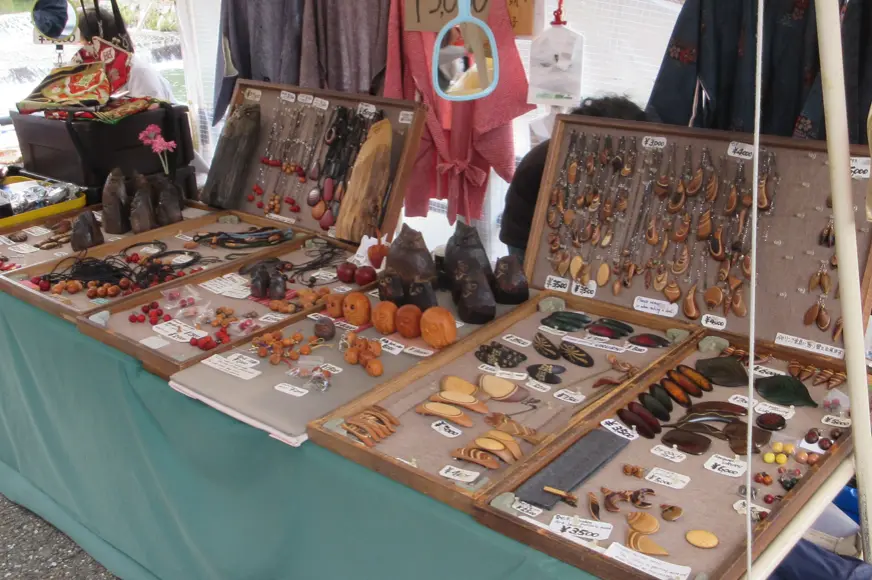
Common local crafts include:
wooden items (chopsticks, trays, toys)
lacquerware (a regional trademark)
Hida textiles
ceramics
small folk art items
Many of these shops maintain the feel of Takayama’s craft heritage — simple wooden interiors, locally made goods, and modest signage.
Food & Snack Options
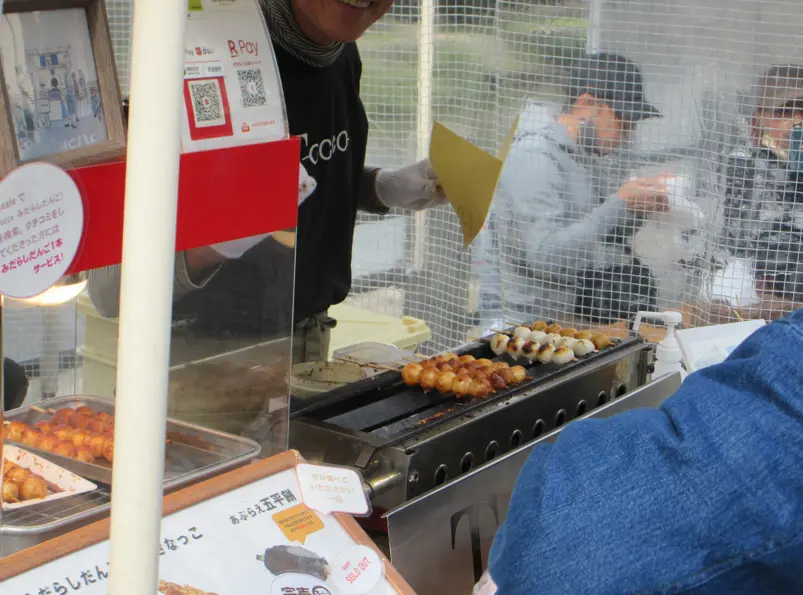
Visitors can enjoy light bites such as:
Hida beef croquettes
gohei mochi
freshly made senbei
seasonal sweets
Japanese-style soft serve
A riverside snack, enjoyed while sitting on a bench or walking slowly, is often a highlight of the visit.
Cafés with River Views
Several cafés near the river offer:
window seats with direct water views
calm interiors with traditional wooden beams
specialty coffee or matcha drinks
quiet corners ideal for resting between sightseeing spots
These cafés often become memorable stops because they allow travelers to enjoy Takayama at a slower pace.
Atmosphere in the Afternoon
While the morning market brings energy,
afternoons along Miyagawa are noticeably calmer:
fewer crowds
softer light
quieter shops
more space for photography and walking
This is why the riverside ranks high as a must-visit experience outside the morning market hours.
5. Seasonal Light & Photography Tips
Photographers especially appreciate the Miyagawa area because the river reflects color and light beautifully.
Best Times for Photos
Morning (after the market begins): soft, even light
Late afternoon: warm tones, long shadows, glowing wooden houses
After rain: water becomes reflective and crisp
Snowfall: atmospheric scenes with muted colors
Angles & Viewpoints
Recommended spots:
from Kajibashi Bridge (classic view)
from the eastern walkway facing west (wooden houses + mountain lines)
from Yumebashi (color contrast with red bridge)
from low angles near the water (calm ripple patterns)
Season-by-Season Photo Guide
Spring — blossoms + pastel watercolors
Summer — bright greens + shimmering reflections
Autumn — golden light + warm tones
Winter — monochrome elegance + snow texture
6. Access & How to Pair With Other Spots
From Takayama Station
about 5–7 minutes on foot
easy to reach on the way to Sanmachi Suji or after visiting Jinya
Pairing Recommendations
Before or after Sanmachi Suji
After Takayama Jinya
Before visiting Yatai Kaikan or Sakurayama Shrine
The riverside serves as a natural “connector” between major sightseeing areas.
Suggested Visit Duration
Quick walk: 15–20 minutes
Relaxed stroll: 30–40 minutes
With café and shopping: 60–90 minutes
7. Traveler Tips & Etiquette
Stay on the paths; riverbanks can be slippery in winter.
Keep voices moderate — sound travels over the water.
Avoid feeding ducks or birds.
Be cautious when photographing on bridges (traffic sometimes passes).
Respect local homes along the west bank.
During snow season, wear shoes with good traction.
8. In Summary – Why Miyagawa Is #3
Miyagawa Riverside earns its position as the third top spot in Takayama because it provides something unique:
a break from the busier old-town streets
open scenery and refreshing air
a blend of nature and daily life
beautiful seasonal views
perfect transitions between major spots
It’s not only a place to walk —
it’s a place to breathe, to rest, and to feel Takayama’s gentle rhythm.
Sanmachi Suji gives the architectural beauty.
Takayama Jinya gives the historical authority.
Miyagawa gives the emotional balance.
© 2024 Kanazawa Experience. Affiliate Links