Kanazawa Experience
History and Cultural Heritage of Takayama: The Timeless Heart of Japan’s Mountain Culture
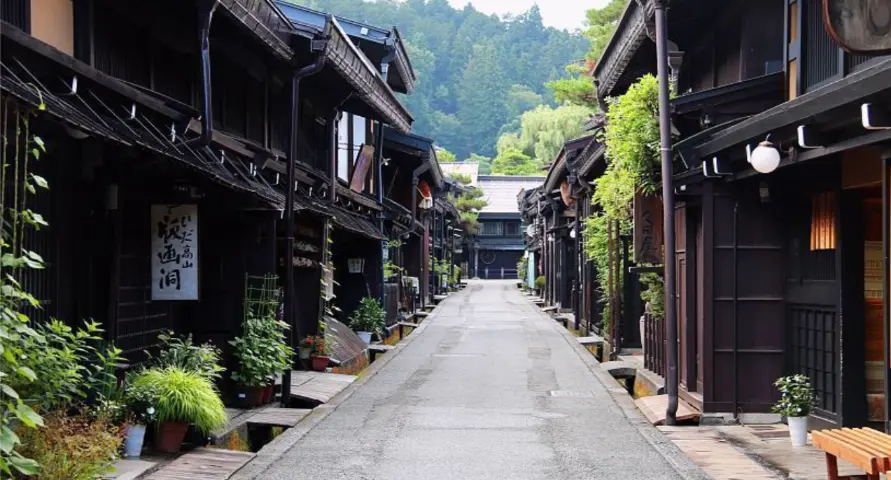
1. Introduction: The Spirit of Hida Takayama
Nestled high in the mountains of central Japan, Takayama is often called “Little Kyoto of the Alps.”
This charming town has preserved the elegance of the Edo period while maintaining the warmth of a rural community.
Known for its master carpenters, exquisite festivals, and beautifully preserved old town, Takayama offers visitors a window into a time when craftsmanship and community were the heart of Japanese life.
Here, history is not frozen — it’s lived.
From the sound of temple bells in the morning to lanterns glowing softly at dusk, every detail reflects centuries of cultural harmony between people and nature.
2. Origins: From a Castle Town to a Cultural Center
Takayama’s story begins in the late 16th century when it developed as a castle town under the Kanamori clan, who ruled the Hida region.
Because of its remote mountain location, the town grew independently, nurturing its own traditions of craftsmanship and local governance.
During the Edo period, Takayama came directly under the control of the Tokugawa Shogunate, known as a tenryō domain.
This was due to its abundance of skilled artisans — the famed Hida no Takumi (Carpenters of Hida) — whose expertise in architecture and woodwork was highly valued by the shogunate.
As trade flourished and temples, shrines, and merchant houses were built, Takayama became a thriving hub of culture and artistry.
The blend of samurai order, merchant wealth, and artisan spirit shaped the city into a rare harmony of beauty and function — a character it retains to this day.
3. The Artisans of Takayama: Masters of Wood and Craft
The legend of Hida no Takumi — the master builders of Takayama — is one of Japan’s most celebrated tales of craftsmanship.
For centuries, these artisans were known throughout the country for their precision and creativity, constructing temples, shrines, and palaces from Kyoto to Edo (modern-day Tokyo).
Even today, their legacy endures in the town’s architecture:
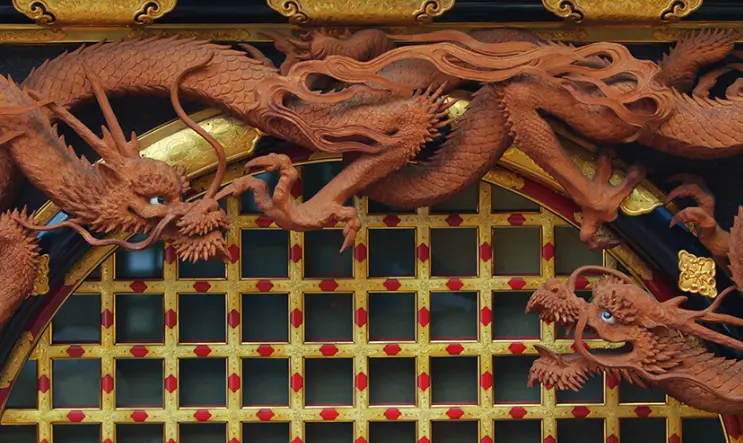
wooden lattices, hand-carved transoms, and meticulously fitted joints that require no nails.
This joinery tradition (kumiki) showcases not only technical mastery but also a deep philosophy — that materials and nature should exist in balance, not domination.
Many of Takayama’s residents continue this spirit through furniture making, lacquerware, and sake brewing, preserving both skill and soul.
Walking through the old streets, you can still smell the cedar, hear the tools at work, and feel the quiet pride of a town built by human hands and mountain timber.
4. The Takayama Festival: Tradition in Motion
The Takayama Festival (Takayama Matsuri) is the crown jewel of the town’s cultural calendar — and one of Japan’s three most beautiful festivals.
Held twice a year — in spring (Sanno Festival) and autumn (Hachiman Festival) — it celebrates the changing seasons, the gods of the mountains, and the unity of the community.
The festival’s highlight is the procession of ornate festival floats (yatai), each crafted by local artisans with intricate carvings, lacquer, and gilded metalwork.
Some floats even feature moving mechanical dolls (karakuri ningyo) that perform ancient plays, showcasing the ingenuity of Takayama’s craftspeople.
Lanterns illuminate the floats at night, turning the streets into rivers of light.
Traditional music echoes softly through the air, as locals in kimono guide the floats with reverence and precision — a vivid reminder that tradition here is not merely preserved, but celebrated as living art.
The Takayama Festival is more than a spectacle; it is a dialogue between generations, connecting the skill of the past with the pride of the present.
5. Preservation of the Old Town (Sanmachi Suji)
Takayama’s old town, known as Sanmachi Suji, is one of Japan’s best-preserved historical districts.
Its narrow streets lined with merchant houses, sake breweries, and craft shops evoke the quiet elegance of the Edo period.
In the mid-20th century, as modernization spread across Japan, locals recognized the cultural value of their town and began a community-led effort to preserve its architecture and spirit.
Rather than freezing the area in time, Takayama embraced a philosophy of living heritage — allowing residents to continue their daily lives while maintaining the wooden façades, latticed windows, and noren curtains that define the town’s character.
Today, walking through Sanmachi feels like entering a time capsule that still breathes.
The scent of cedar, the soft hum of conversation, and the gentle clinking of sake cups remind visitors that Takayama’s beauty is not manufactured — it’s the product of generations of care.
6. Faith, Temples, and Shrines
Faith has always played a quiet but powerful role in shaping Takayama’s cultural identity.
The town is home to numerous temples and shrines, many of which were built by local craftsmen who saw their work as acts of devotion.
Among the most significant sites are:
Hida Kokubun-ji Temple, founded in the 8th century, with its towering ginkgo tree over 1,200 years old.
Sakurayama Hachimangu Shrine, guardian of the town and host of the autumn Takayama Festival.
Hie Shrine, nestled in the forested hills, offering views over the town below.
These places of worship are more than religious centers — they are anchors of community, where festivals, prayers, and local customs continue to unite the people.
Even today, locals visit these shrines to give thanks for craftsmanship, harvests, and the changing of seasons — the same way their ancestors did centuries ago.
7. Takayama in the Modern Era
Despite its deep historical roots, Takayama has adapted gracefully to the modern age.
The town’s commitment to tradition has not prevented innovation — instead, it has inspired it.
Artisans now collaborate with contemporary designers, blending traditional woodworking and modern aesthetics.
Historic buildings have been converted into stylish cafés, boutique inns, and museums, offering visitors comfort without losing authenticity.
At the same time, the city invests in sustainable tourism, limiting large developments and encouraging cultural education among visitors.
The balance between preservation and progress has made Takayama a model for other heritage towns in Japan — proof that modernization can enhance, not erase, tradition.
And while millions of visitors come each year, Takayama remains a town that belongs first to its people, not its tourists — a rare quality in today’s world.
8. Why Takayama Matters Today
In a rapidly changing world, Takayama stands as a testament to what endures.
It teaches that beauty doesn’t come from grandeur, but from honesty, patience, and skill — values reflected in every beam of wood and every carefully carved detail.
For visitors, Takayama offers more than sightseeing.
It offers a moment of reflection: a chance to walk through centuries of craftsmanship, to meet artisans keeping traditions alive, and to feel the stillness that modern life often forgets.
The story of Takayama is not just about preserving the past — it’s about living with intention in the present.
Here, the old and new coexist in harmony, proving that tradition is not something to protect behind glass, but something to live, breathe, and pass on.
© 2024 Kanazawa Experience. Affiliate Links