Kanazawa Experience
Hida Kokubunji Temple – The Quiet Heart of Takayama’s Ancient Spiritual History
1. About Hida Kokubunji – The Oldest Spiritual Landmark in Takayama
Hida Kokubunji (飛騨国分寺) is the oldest temple in Takayama and one of the most historically significant religious sites in the entire Hida region.
Located just a short walk from Takayama Station, the temple is surprisingly calm and intimate, offering a gentle atmosphere that contrasts with the busier old-town areas.
While Sakurayama Hachiman Shrine represents Takayama’s mountain spirituality and festival heritage, Hida Kokubunji embodies its ancient Buddhist roots, tracing back more than 1,200 years.
Visitors immediately sense a different kind of quiet here:
soft wind moving through enormous cedar trees
ringing of small temple bells
footsteps on stone paths
the presence of history in every wooden beam
Where other high-ranking attractions in Takayama highlight Edo-period architecture or festival culture, Hida Kokubunji goes much deeper, anchoring the region’s spiritual identity in the early centuries of Japanese Buddhism.
Its central features include:
a three-story pagoda
ancient temple halls
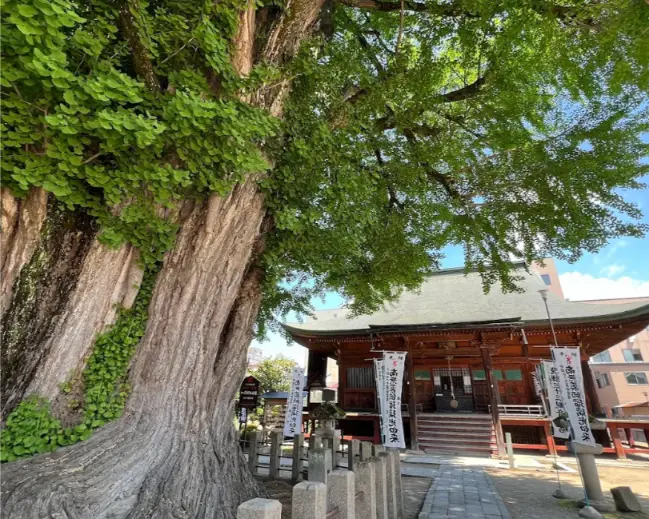
a remarkable great gingko tree over 1,000 years old
statues and cultural artifacts from the Nara and Heian periods
Despite its historical weight, the temple remains modest and approachable, making it one of the most pleasant places to pause and breathe in Takayama.
2. History – From Imperial Order to Mountain Temple
Founded in the Nara Period (8th Century)
Hida Kokubunji was founded around 746 AD under the orders of Emperor Shōmu.
During this time, Japan established a network of kokubunji temples throughout each province to promote Buddhism and unify the nation spiritually and politically.
Hida’s temple was one of them — a symbol of imperial authority and religious devotion in the remote mountain region.
Role of Kokubunji Temples
Kokubunji temples served multiple functions:
spiritual protection of each province
places of prayer for peace and good harvests
centers of education and literacy
hubs for Buddhist art, carving, and scripture copying
Hida Kokubunji fulfilled this role for centuries, shaping the region’s early religious culture.
Reconstruction & Fires
Like many ancient temples, the complex faced:
earthquakes
fires
wars
natural decay
Yet it was rebuilt repeatedly, preserving its identity through the Heian, Kamakura, and Edo periods.
The Three-Story Pagoda
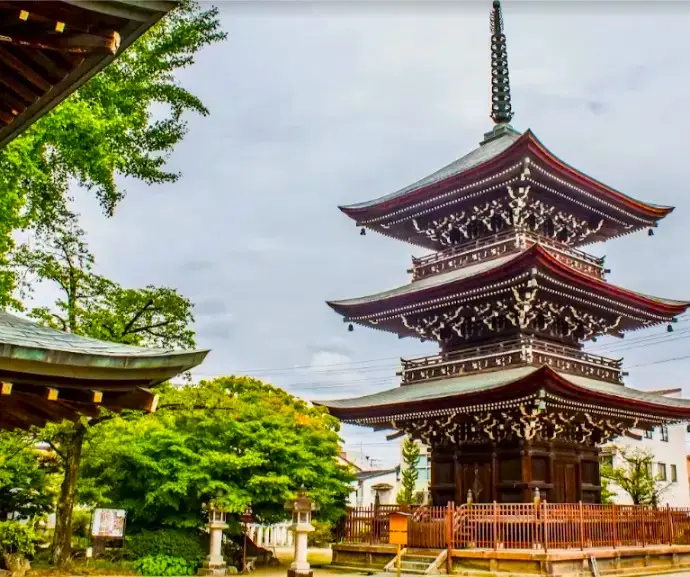
The pagoda standing today is a reconstruction from 1820, but it retains the ancient architectural style.
It is the only three-story pagoda in the entire Hida region and one of Takayama’s most recognizable silhouettes.
Cultural Artifacts
The temple houses:
statues from the Heian period
carved wooden guardians
old sutras
ritual implements
rare Buddhist artworks
These treasures demonstrate the deep roots of Buddhism in the region long before the Edo-era merchant town flourished.
3. Walking Through the Grounds – Layout & Atmosphere
Hida Kokubunji is relatively compact, but each section holds quiet charm and historical detail.
Temple Gate (Sanmon)
The entrance gate is simple yet elegant:
wooden beams weathered by centuries
gentle curves in the roofline
a subtle sense of entering sacred ground
This modest design reflects the mountain spirit of Takayama — dignified but not ostentatious.
Main Hall (Hondō)
Inside the main hall, visitors find:
Buddhist statues with calm expressions
faint scent of incense
soft wooden floors
dim, natural lighting
offerings placed by locals
The atmosphere is peaceful, encouraging slow, mindful movement.
Three-Story Pagoda
The pagoda is the temple’s icon:
graceful vertical lines
deep red-brown wood
a rhythmic balance of eaves
quiet presence against the sky
Many visitors photograph it from the stone path with cedar trees framing the background.
The Great Gingko Tree
One of the temple’s most extraordinary features is the massive ichō tree, more than 1,200 years old.
Characteristics:
towering height
thick, twisting trunk
golden leaves in autumn
a presence that feels almost alive
Locals consider the tree a living guardian of Takayama.
Small Shrines & Corners
Throughout the grounds are small stone statues, lanterns, and prayer spaces.
These modest details capture the understated beauty of mountain Buddhism.
4. Highlights & Cultural Importance
1. The Great Gingko Tree(県天然記念物)
This tree is one of Takayama’s natural treasures:
in spring → soft green leaves
in summer → thick canopy
in autumn → brilliant yellow
in winter → pale, sculptural branches
The autumn season is especially photogenic, when the ground is covered in golden leaves like a natural carpet.
2. The Pagoda – Symbol of Ancient Takayama
As the only pagoda in the region, it symbolizes the Buddhist spirit of Hida.
Visitors often feel calm and grounded standing before it.
3. Buddhist Statues & Historic Art
Inside the main hall and side buildings:
serene Amida statues
wooden guardians from centuries past
ritual bells and incense burners
scrolls with classical calligraphy
These objects embody Takayama’s long religious history.
4. Proximity to Modern Takayama
Despite being very close to Takayama Station, the temple feels worlds apart.
This contrast makes it perfect for:
a morning meditation walk
a quiet stop during city sightseeing
a refuge after crowds in Sanmachi Suji
5. Seasonal Temple Events
Occasionally the temple hosts:
small ceremonies
prayers for good harvests
memorial rituals
Visitors may witness traditional practices depending on timing.
5. Seasonal Atmosphere – How Kokubunji Changes Through the Year
Spring – Fresh Beginnings
Spring brings:
light green leaves
soft breezes
moss coming alive on stone lanterns
comfortable weather for slow walking
It feels like the temple is waking up after winter.
Summer – Deep Shade & Mountain Quiet
Summer at Kokubunji is surprisingly refreshing:
the pagoda stands in deep shade
air flows between tall temple buildings
insects buzz softly around the gingko tree
Even in Takayama’s warmest months, the temple grounds remain calm and cool.
Autumn – The Gingko’s Golden Show
This is the most stunning season:
the massive gingko explodes into bright yellow
pagoda framed by golden leaves
sunlight reflecting on leaf-covered paths
crisp mountain air
Autumn makes Kokubunji a top photography location.
Winter – Silent and Pure
Snow transforms the temple:
white blankets on temple roofs
pagoda lines softened by frost
quiet footsteps on snowy paths
the gingko standing bare and dignified
The winter quiet is powerful and meditative.
6. Access & Suggested Visit Plan
From Takayama Station
One of the easiest sights to reach:
3–5 minutes on foot
straight down the station approach road, then right
Perfect for travelers with limited time.
Suggested Visit Duration
Standard visit: 15–20 minutes
Photography or slow appreciation: 30–40 minutes
Best Time of Day
Morning: peaceful, soft light
Late afternoon: warm atmosphere on wood structures
If visiting in autumn, afternoon light enhances the gingko’s golden color.
7. Traveler Tips & Etiquette
Keep voices low; this is an active temple.
Photography is allowed outdoors, but avoid shooting worshippers.
Be respectful near the main hall.
The stone paths can be slippery when wet or snowy.
In autumn, fallen leaves can hide uneven stones → walk carefully.
Even though it’s close to the station, Kokubunji is a sacred place first and foremost.
8. In Summary – Why Hida Kokubunji Is #7
Hida Kokubunji earns the seventh spot because it represents a completely different layer of Takayama’s identity:
ancient Buddhism
imperial history
timeless architecture
nature-soul connection through the iconic gingko tree
quiet reflection close to the city center
Sanmachi Suji gives the merchant past.
Miyagawa gives daily life.
Jinya gives political history.
Sakurayama Hachiman gives spiritual festival culture.
Hida Folk Village gives rural tradition.
Hida Kokubunji connects all of them to the ancient origins of the region.
© 2024 Kanazawa Experience. Affiliate Links