Kanazawa Experience
Access to Takayama: How to Reach Japan’s Mountain Heritage Town from Kanazawa, Tokyo, and Beyond
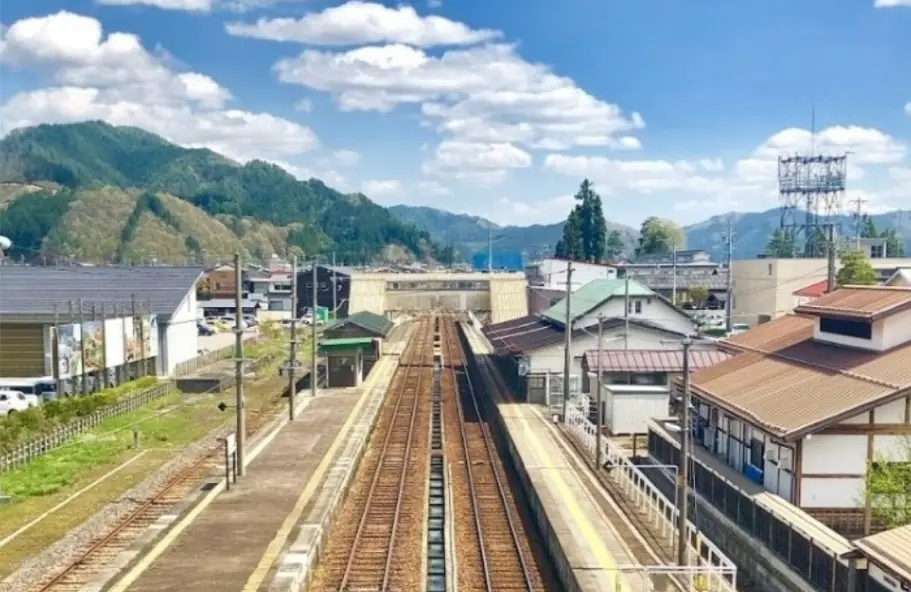
1. Introduction: Gateway to Japan’s Mountain Culture
Takayama lies in the heart of Japan’s Northern Alps — a peaceful town surrounded by mountains, where centuries-old traditions and craftsmanship continue to thrive.
Getting there takes a little more time than visiting Japan’s major cities, but the journey is part of the experience.
The roads and rails that lead to Takayama pass through rivers, forests, and rural landscapes, offering some of the most scenic travel in the country.
Whether you arrive from Kanazawa, Tokyo, or Nagoya, each route reveals a different side of Japan — from coastal plains to deep mountain valleys.
Takayama is accessible year-round by train, bus, or private car, with routes that are easy to follow even for first-time visitors.
2. From Kanazawa to Takayama
Traveling from Kanazawa to Takayama is one of the most beautiful regional routes in central Japan.
The distance is about 125 km (78 miles), and travel time depends on the route you choose.
🚍 By Express Bus
Operator: Nohi Bus / Hokutetsu Bus
Duration: About 2 hours 15 minutes
Fare: Around ¥3,500–4,000 one way
Departure Point: Kanazawa Station East Gate (Bus Terminal)
Drop-off: Takayama Bus Center (next to JR Takayama Station)
The express bus is direct, affordable, and offers stunning views of mountain valleys and rivers — especially in autumn.
🚗 By Car (via Highway)
Route: Hokuriku Expressway → Tokai-Hokuriku Expressway → Takayama IC
Duration: About 2 hours
Toll: Around ¥3,000
Highlights: Smooth driving, scenic mountain tunnels, rest areas with local food.
🏞 Via the Hakusan–Shirakawa-go White Road (Scenic Route)
Season: Open June–November
Duration: About 3 hours with sightseeing stops
Route: Kanazawa → Hakusan → White Road → Shirakawa-go → Takayama
This route is a favorite among travelers who want to combine sightseeing — waterfalls, viewpoints, and traditional villages — with the drive.
3. From Tokyo to Takayama
Coming from Tokyo, travelers can choose between train, bus, or rental car depending on budget and schedule.
🚅 By Train (Fastest and Most Comfortable)
Take the Tokaido Shinkansen from Tokyo to Nagoya (about 1 hour 40 minutes).
Transfer to the Limited Express Hida to Takayama (about 2 hours 30 minutes).
Total Time: Around 4–4.5 hours
Total Cost: Approx. ¥13,000–14,000
This route is the most popular for first-time visitors — smooth, scenic, and efficient.
🚌 By Highway Bus (Budget Option)
Operator: Nohi Bus / Keio Bus
Duration: About 5.5–6 hours
Fare: Around ¥6,000–7,000
Departure: Shinjuku Expressway Bus Terminal (Busta Shinjuku)
Arrival: Takayama Bus Center
These buses are comfortable, with rest stops along the way, and are great for those who prefer a direct journey without transfers.
🚗 By Car (For Adventurous Travelers)
Route: Chuo Expressway → Nagano Expressway → National Route 158
Distance: About 430 km
Duration: 5.5–6.5 hours
Note: Mountain roads can be winding — best for confident drivers and those planning overnight stays.
4. From Nagoya and Osaka
🚆 From Nagoya (Most Direct Route)
Nagoya is the main gateway to Takayama and the starting point for the Limited Express Hida train.
Train: Limited Express Hida (operated by JR)
Duration: About 2 hours 30 minutes
Fare: Around ¥6,000–7,000 one way
Departure: JR Nagoya Station
Highlights: Comfortable reserved seats, mountain river views, onboard snack service
Buses also run between Nagoya and Takayama, taking around 3 hours 15 minutes for slightly less cost.
🚆 From Osaka or Kyoto
From Osaka or Kyoto, travelers can reach Takayama via Nagoya:
Osaka → Nagoya by Shinkansen (1 hour)
Nagoya → Takayama by Limited Express Hida (2.5 hours)
Total: Around 3.5–4 hours
Alternatively, there are seasonal direct bus services (especially during holidays), taking about 5.5–6 hours.
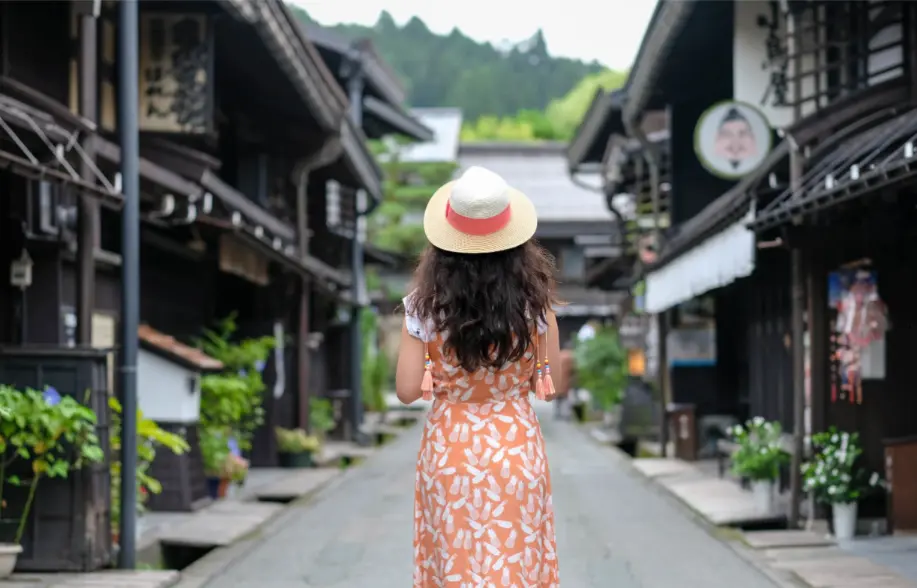
5. By Car or Rental Vehicle
Driving to Takayama gives travelers the greatest flexibility — perfect for those planning to explore the surrounding region such as Shirakawa-go, Hakusan, or Norikura Highlands.
Main Highway Routes:
From Kanazawa: Hokuriku Expressway → Tokai-Hokuriku Expressway → Takayama IC
From Nagoya: Tokai-Hokuriku Expressway → Takayama IC
From Tokyo: Chuo Expressway → Nagano Expressway → Route 158 → Takayama
Driving Time (approximate):
Kanazawa → Takayama: 2 hours
Nagoya → Takayama: 2.5 hours
Tokyo → Takayama: 6 hours
Toll Fees: Around ¥3,000–6,000, depending on the route.
Tips for Drivers:
Mountain roads can be winding — drive carefully and take breaks at roadside stations (Michi-no-Eki).
Fuel stations are limited in rural areas; refuel before leaving major cities.
In winter (Dec–Mar), snow tires or chains are mandatory.
English GPS and navigation apps (Google Maps, NAVITIME) work well in the area.
Driving allows you to experience the changing scenery — from plains to mountain valleys — and stop at local cafés, shrines, or viewpoints along the way.
6. Via Shirakawa-go or the Hakusan White Road
Many travelers combine Takayama with Shirakawa-go, one of Japan’s most scenic UNESCO villages, located halfway between Takayama and Kanazawa.
🏯 Takayama ↔ Shirakawa-go
By Bus: 50 minutes (operated by Nohi Bus)
Fare: ¥2,600 one way
Departures: Every 1–2 hours from Takayama Bus Center
This route is ideal for day trips or as a stopover between Kanazawa and Takayama.
🏞 Takayama ↔ Kanazawa via the Hakusan–Shirakawa-go White Road
Season: Open from early June to mid-November only
Driving Time: About 3 hours including sightseeing stops
Toll Fee: Around ¥1,600 per car
Highlights: Waterfalls, forest viewpoints, mountain tunnels, and autumn foliage
This route is one of the most beautiful drives in Japan — a perfect way to experience nature, history, and culture in one trip.
7. Bus and Train Timetables (General Guide)
Schedules vary by season, but here’s a general overview to help plan your visit.
🚆 JR Limited Express Hida (Nagoya ↔ Takayama ↔ Toyama)
7–9 trains daily in each direction
Duration: 2–2.5 hours (Nagoya–Takayama)
Reserved and non-reserved seats available
Japan Rail Pass valid
🚌 Express Buses (Nohi Bus, Hokutetsu Bus, Keio Bus)
| Route | Duration | Frequency | Fare (one way) |
|---|---|---|---|
| Kanazawa → Takayama | ~2h15m | Every 1–2 hrs | ¥3,800 |
| Shirakawa-go → Takayama | ~50m | Every 1–2 hrs | ¥2,600 |
| Nagoya → Takayama | ~3h15m | Every 1–2 hrs | ¥3,700 |
| Tokyo (Shinjuku) → Takayama | ~5.5–6h | 2–3 daily | ¥6,500 |
Tickets can be booked online or at major bus terminals.
All buses are clean, air-conditioned, and equipped with rest stops during longer routes.
8. Travel Tips and Seasonal Advice
Each season brings unique beauty — and different travel conditions — to Takayama.
🌸 Spring (Apr–May)
Comfortable temperatures; cherry blossoms bloom in early April.
Popular season for the Spring Takayama Festival (April 14–15).
☀ Summer (Jun–Aug)
Warm and green; great for exploring mountain villages.
Occasional afternoon showers — carry a light raincoat.
🍁 Autumn (Sep–Nov)
Best for scenic drives and photography.
The Autumn Takayama Festival (Oct 9–10) attracts many visitors — book early.
❄ Winter (Dec–Mar)
Heavy snow transforms Takayama and Shirakawa-go into magical winter landscapes.
Trains and buses run normally, but driving requires snow tires or chains.
💡 Local Tip:
If traveling between Kanazawa, Shirakawa-go, and Takayama, consider spending one night in each area to fully enjoy the journey rather than rushing it in a single day.
Takayama rewards travelers who move slowly — those who savor the journey as much as the destination itself.
© 2024 Kanazawa Experience. Affiliate Links