Kanazawa Experience
Staying Overnight in Shirakawa-go: Experience the Warmth of a Living Heritage Village
1. Introduction: The Magic of Staying Overnight
Most visitors see Shirakawa-go during the day — wandering among thatched farmhouses, taking photos, and leaving before evening.
But to stay overnight is to experience a completely different side of the village.
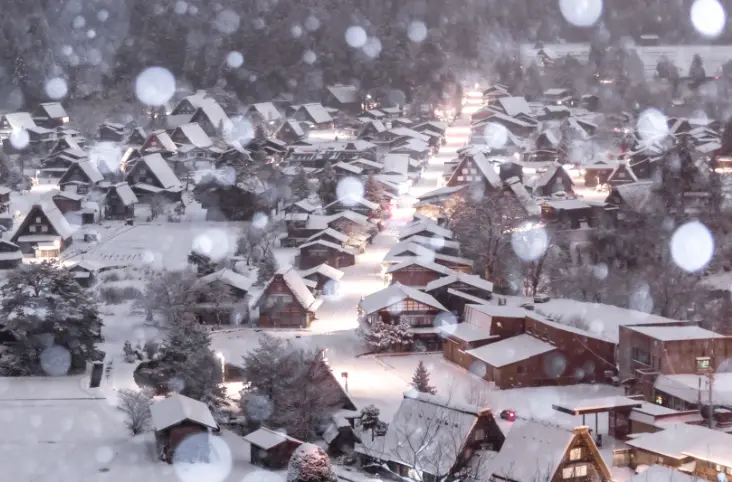
As night falls, lanterns flicker in the snow, and smoke drifts gently from the roofs.
The sound of the river replaces the noise of daytime crowds, and the village returns to its natural rhythm — calm, quiet, and timeless.
Staying in Shirakawa-go isn’t about luxury; it’s about immersion.
You sleep inside a home that has stood for centuries, share a meal prepared by your hosts, and wake to the sight of mist rising over the thatched roofs.
It’s one of the most authentic experiences you can have in Japan — where tradition isn’t a performance, but a way of life.
2. Where to Stay: Inside a World Heritage Village
The main accommodation area is the Ogimachi district, the largest and best-preserved part of Shirakawa-go and the core of the World Heritage Site.
Here, around 20 traditional houses operate as minshuku (family-run guesthouses), each offering a glimpse into local life.
Most guesthouses are run by families who have lived in the same homes for generations.
Rooms are simple — tatami floors, futon bedding, sliding doors — but warm and comfortable.
You’ll also find modern conveniences like heaters and clean shared bathrooms, thoughtfully maintained within historic structures.
Because the number of guesthouses is limited, reservations are essential, especially from October to March when the village is covered in snow.
Guests are expected to arrive by 5:00 PM, as dinner is served early and the village quiets down after sunset.
For those who prefer a little more privacy or modern facilities, there are also inns and lodges just outside the village boundary, offering easy access while helping reduce visitor pressure inside the heritage zone.
3. Gassho-zukuri Minshuku (Thatched-Roof Guesthouses)
A stay in a Gassho-zukuri minshuku is the heart of the Shirakawa-go experience.
These houses, with their steep thatched roofs and wooden beams, are living testaments to the skill and cooperation of the villagers.
Inside, guests are welcomed by the hosts — often elderly couples — who treat travelers like family.
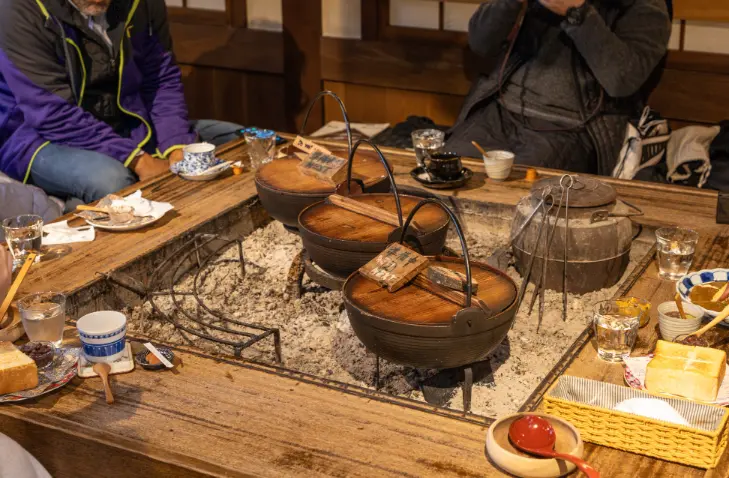
Meals are served around the irori, a sunken hearth in the center of the house, where fish and vegetables are grilled over glowing charcoal.
Dinner usually features local specialties such as river fish (ayu or iwana), mountain vegetables, miso soup, and Hida beef.
Rooms are small and cozy, with futons laid out after dinner.
There are no televisions or nightlife — only the crackle of the fire and the distant murmur of the river.
In winter, the thick thatched roof muffles the sound of snow, creating a peaceful silence that feels almost sacred.
These minshuku are not hotels; they are homes.
By staying here, you help preserve the cultural heritage of Shirakawa-go and support the families who keep its traditions alive.
4. Nearby Ryokan and Hotels Outside the Village
If you prefer more facilities or can’t find availability inside the World Heritage area, there are excellent ryokan and hotels just outside Ogimachi.
Hirase Onsen and Ogi-machi Hot Spring Area (about 10–15 minutes by car) offer traditional Japanese inns with open-air baths and larger rooms, perfect for couples or families.
These inns provide the same warm hospitality but with additional comfort — private bathrooms, hot spring baths, and meal options featuring regional ingredients.
Another good option is Takayama or Gokayama, which are about 45–60 minutes away and offer convenient access to both sightseeing and relaxation.
Many travelers choose to stay one night in Shirakawa-go and another in Takayama, combining mountain tranquility with the charm of a historic town.
No matter where you stay, the essence of the area remains the same — hospitality rooted in simplicity, nature, and respect.
5. Meals and Local Cuisine Experiences
One of the most memorable parts of staying in Shirakawa-go is the home-cooked meals served by your hosts.
Dinner and breakfast are usually included and prepared with ingredients from the surrounding mountains and rivers.
Typical dishes include:
Grilled river fish (ayu or iwana) cooked over the irori hearth.
Mountain vegetables (sansai) gathered in spring and summer.
Miso soup and tofu made with fresh local water.
Hida beef or wild game (venison, boar) depending on the season.
Homemade pickles and seasonal fruit.
Meals are served family-style around low tables near the hearth, where conversation flows naturally even across language barriers.
Breakfast often features rice, grilled fish, miso soup, and small side dishes — simple yet deeply satisfying.
It’s not a restaurant experience; it’s a glimpse into daily life, where the food carries stories of the land and the people who live there.
6. How to Book and Practical Tips
Because the number of guesthouses in Shirakawa-go is limited, advance reservations are essential — ideally one to two months ahead in peak seasons (autumn and winter).
How to Book:
Through the official Shirakawa-go Tourism website (English available).
By email or phone directly with the minshuku (some speak basic English).
Via Japanese booking platforms like Rakuten Travel or Booking.com (limited listings).
Useful Tips:
Most minshuku accept cash only — bring enough yen with you.
Arrive before sunset (around 5:00 PM); late arrivals are discouraged.
There are no ATMs or convenience stores inside the village.
Heating is provided, but bring warm clothes in winter.
Wi-Fi is available in some guesthouses, but don’t expect strong coverage everywhere — consider it part of the charm.
Booking a night in Shirakawa-go takes a little more planning, but it rewards you with something far richer than convenience: a chance to step into living history.
7. Evening and Morning in the Village
When the tour buses leave and the lights fade, Shirakawa-go reveals its true beauty.
The silence deepens, and the thatched roofs glow softly under the moon or falling snow.
In the evening, you might hear the river flowing behind the houses or see smoke drifting from chimneys into the cold air.
Some guesthouses dim their lights early, letting you experience the peaceful rhythm of mountain life.
At dawn, mist rises through the valley, wrapping the village in a gentle haze.
The morning light touches the roofs one by one — a sight that feels almost timeless.
Early walks through the quiet streets, before the day’s visitors arrive, are among the most magical moments in Shirakawa-go.
Staying overnight allows you to witness this natural cycle — not just as a tourist, but as a temporary resident of the village.
8. Why Staying Overnight is Worth It
Many travelers visit Shirakawa-go as a quick stop between Kanazawa and Takayama.
But those who stay overnight discover something deeper — a sense of belonging to a place that has survived centuries.
When you sleep beneath the steep thatched roof, share dinner with your hosts, and wake to the sound of birds and running water, you understand why Shirakawa-go is more than a sightseeing spot — it’s a living heritage.
Staying overnight supports the local community and helps preserve the village’s way of life.
It’s also a chance to slow down, disconnect, and rediscover what it means to travel mindfully.
In Shirakawa-go, time moves differently.
The night is quiet, the air is pure, and the warmth you feel — from the fire, the people, and the place itself — stays with you long after you leave.
© 2024 Kanazawa Experience. Affiliate Links