Kanazawa Experience
Shirakawa-go Gasshozukuri Folk Museum – A Quiet Window into Mountain Life
1. About the Gasshozukuri Folk Museum
At the entrance to Shirakawa-go, just before crossing into the world of thatched roofs and narrow village paths, lies a quiet and often overlooked treasure: the Shirakawa-go Gasshozukuri Folk Museum.
Although smaller and calmer than the main Ogimachi Village, the museum offers a remarkably intimate introduction to the spirit of the region.
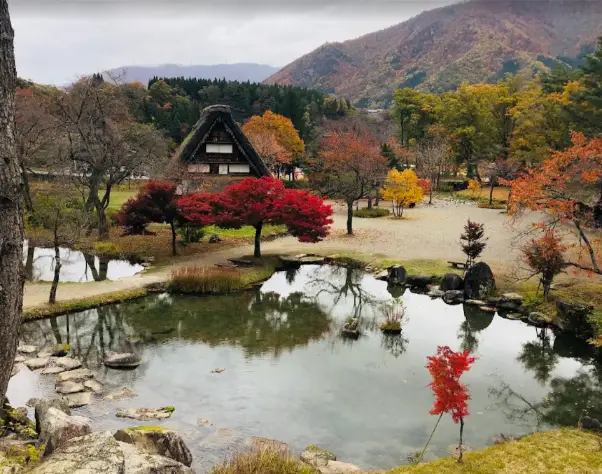
Rather than a single large building, the museum is a cluster of historic farmhouses, relocated from surrounding hamlets that were once threatened by modernization and the construction of nearby dams. These houses now sit together in a compact, easy-to-walk area, forming a “miniature Shirakawa-go” that captures the essence of traditional mountain life.
Visitors can wander through preserved homes, explore smoke-darkened attics, and examine everyday objects once used for farming, weaving, cooking, and surviving long snowy winters. Unlike the main village, where many houses still function as private residences, the museum allows for a more relaxed, educational experience — you can observe, learn, and take your time without disturbing local life.
For first-time visitors, the Folk Museum serves as a gentle introduction to what lies ahead. For returning travelers, it offers deeper context and a quieter perspective. It is a place where the textures, sounds, and memories of the mountains linger in the air, waiting to be rediscovered with every step.
2. History & Preservation
The Gasshozukuri Folk Museum was created to preserve the heritage of mountain villages that once dotted the valleys surrounding Shirakawa-go. Many of these smaller hamlets faced the risk of disappearance due to depopulation, dam construction, and the challenges of maintaining thatched homes in a rapidly modernizing nation.
During the mid-20th century, the construction of dams — particularly the Miboro and Shō river projects — forced several communities to relocate.
Instead of allowing their historic homes to be demolished or submerged, local leaders and historians made the bold decision to move selected structures to safe ground.
The result was the establishment of the Folk Museum: a place where traditional life could be preserved, studied, and shared with future generations.
Each house in the museum was carefully dismantled, transported, and reassembled using original materials as much as possible. Craftsmen recreated the rope bindings, wooden joints, and steep angles of the roofs with astonishing accuracy. Interior spaces were restored to reflect daily life in the mountains — from hearths used for heating and cooking, to tools for sericulture (silk production), to the hidden upper floors where generations once slept during harsh winters.
The museum reflects the core values of Shirakawa-go:
community support
sustainable living
harmony with nature
the importance of craftsmanship
More than a historical display, it stands as a living archive, preserving not just objects but the knowledge, skills, and stories of a resilient people. It reminds visitors that these houses were not built as tourist attractions, but as practical shelters shaped by necessity, climate, and cooperation.
3. Museum Layout & Highlights
The Folk Museum is arranged like a small village, with pathways leading between houses and open areas that reveal the surrounding mountains. Each building has its own character and purpose, offering different insights into daily life.
Main Houses
Most structures are traditional gassho-zukuri homes, instantly recognizable by their steep thatched roofs. Inside, visitors can explore:
• The Irori (Open Hearth)
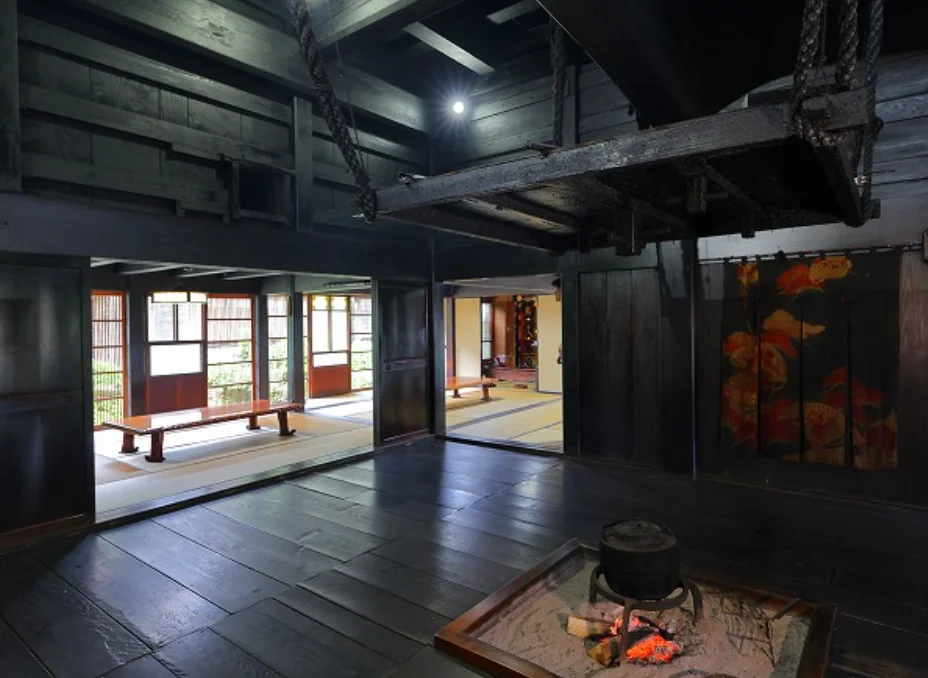
At the center of many homes lies the irori, a square hearth used for cooking, heating, and drying tools. Its smoke darkens the beams above, giving the interior a deep, warm color. The scent of smoke is a reminder of how families survived winter’s long nights.
• Attic & Upper Floors
Some houses allow access to the upper floors, historically used for:
raising silkworms
drying grains
storing equipment
sleeping during cold months
The steep ladders and low beams offer a vivid sense of how people adapted to limited space.
• Farming Tools & Implements
Exhibits include:
wooden plows
snowshoes
wheat threshers
baskets for gathering mountain herbs
carpentry tools used to maintain the giant beams
These tools reveal a life shaped by both ingenuity and physical endurance.
Workshops & Micro-Exhibits
Scattered throughout the museum are small thematic displays:
Sericulture corner showing trays, cocoon boxes, and weaving tools
Kitchen displays with iron pots, rice chests, and handmade utensils
Winter equipment such as straw coats and snow-handling tools
Seasonal farming cycles, explained through old calendars and photographs
These micro-exhibits make the museum ideal for travelers who appreciate details and craft.
Outdoor Areas
Between the houses, visitors can enjoy:
gentle slopes
small gardens
traditional fences
views of distant mountains
In autumn, the museum becomes especially beautiful as maple trees scatter red and gold leaves across the thatched roofs.
4. Daily Life & Cultural Practices
One of the museum’s greatest strengths is how clearly it illustrates the rhythms of everyday life in Shirakawa-go before electricity, convenience stores, or tourism. The exhibits help visitors imagine a world where the community relied entirely on the land and each other.
Winter Survival
Shirakawa-go sees some of the heaviest snowfalls in Japan. Families prepared by:
storing firewood and grains
drying vegetables in the rafters
making miso and pickles
reinforcing roofs to withstand heavy snow
The museum’s displays of winter tools highlight how essential planning and cooperation were to survival.
Sericulture (Silk Production)
Silk was once the village’s most valuable trade. The museum’s sericulture exhibits show:
wooden trays for raising silkworms
spinning wheels
drying racks
cocoons stored in large wooden boxes
These items explain why the gassho roofs are so large — not for aesthetics, but for silk.
Agriculture & Foraging
Life revolved around:
rice paddies
millet fields
buckwheat
collecting wild vegetables (sansai)
making charcoal
fishing in the rivers
This mix of farming and foraging reflects a mountain lifestyle shaped by scarcity and creativity.
Community & Festivals
The museum also highlights local traditions:
Yui: the mutual-help system used to repair roofs
Doburoku festivals
village gatherings
seasonal rituals to welcome spring and ward off illness
These practices reveal how cultural identity and community spirit sustained people through hardship.
5. Scenic Spots & Outdoor Atmosphere
Although the Gasshozukuri Folk Museum is primarily known for its preserved houses, the outdoor environment is equally compelling. The museum sits slightly apart from the main Ogimachi settlement, giving it a gentle sense of distance — close enough to feel connected, yet quiet enough to breathe deeply.
Mountain Views
Across the site, the surrounding mountains form a dramatic backdrop, shifting in color and mood throughout the year. In spring, soft greens creep across the ridges; in summer, deep foliage creates sharp contrasts between light and shadow; autumn covers the hills in gold; and in winter, snow transforms the valley into a silent white world.
Because the museum stands on more open ground than the central village, visitors often find the mountain views here clearer and more photogenic.
Traditional Village Pathways
The narrow walkways that link the houses are modeled after the paths used in old mountain villages. Each turn reveals another piece of scenery — a house framed by trees, a glimpse of water, the play of sunlight on thatched roofs. The layout invites slow walking rather than fast movement.
Seasonal Scenes
The museum grounds are particularly beautiful in transitional seasons:
Spring: Plum and cherry blossoms decorate the edges of the houses.
Summer: Cicadas hum as breezes pass through tall grasses.
Autumn: Maple leaves scatter across the roofs, creating postcard-perfect scenes.
Winter: The thatched houses covered in snow appear timeless, their roofs heavy but peaceful.
The seasonal atmosphere here often feels more relaxed than inside the main village, allowing visitors to pause, listen, and feel the rhythm of the landscape.
Photography Opportunities
Because the museum is less crowded, it’s one of the best places in Shirakawa-go for:
symmetrical shots of gassho roofs
detailed images of structural beams
quiet portraits
landscape photos with clean sightlines
Morning and late afternoon light are especially flattering, illuminating the straw roofs while softening the surrounding mountains.
Sound & Silence
One of the most memorable elements of the outdoor area is the soundscape. You might hear:
wind sliding across rooftops
small birds calling from the forest
a stream murmuring in the distance
footsteps on gravel
These sounds create the sense that the museum is a living space, not simply a display. The environment itself becomes part of the story.
6. Access & Visitor Information
Because the museum sits at the entrance to Shirakawa-go, it is easy to reach and fits naturally into any itinerary.
Location
The Gasshozukuri Folk Museum is located near the Deai Bridge and the main parking areas. Many travelers visit immediately after arriving by car or bus, before walking into the historic village.
Admission
Adults: usually around 400–600 yen
Children: discounted rates available
(Fees may vary slightly by season or year.)
Hours
Typically open during daylight hours, with extended closures in extreme winter conditions. Most visitors spend 30–60 minutes exploring.
Access by Car
From Kanazawa: approx. 1 hr 15 min
From Takayama: approx. 50 min
From Gokayama: approx. 30–40 min
After parking in the main village lot, it is only a short walk to the museum. Drivers often appreciate visiting the museum first, as it gives them historical context before touring the main settlement.
Access by Bus
Buses stop at the Shirakawa-go Bus Terminal, a few minutes’ walk from the museum. The route between the terminal and the museum is straightforward, with signs guiding visitors.
Best Time to Visit
Morning: soft light and peaceful atmosphere
Late afternoon: warm colors and fewer people
Winter mornings: magical blue-white light reflecting off the snow
Because the museum is less crowded than Ogimachi Village, even peak travel hours remain comfortable.
Facilities & Amenities
On-site features typically include:
rest areas
vending machines
small information boards
multilingual signage
outdoor seating
Although simple, these facilities support a relaxed and easy visit.
Accessibility
Paths are compact and generally flat, though some houses have steep steps. Visitors who prefer not to climb ladders can still enjoy the outdoor atmosphere and ground-floor exhibits.
7. Traveler Tips & Etiquette
The Folk Museum preserves fragile, centuries-old structures. Respectful behavior ensures that future visitors can also appreciate their beauty.
General Etiquette
Remove shoes when entering houses where required.
Use quiet voices, as sound carries inside the wooden interiors.
Do not touch beams, ropes, or fragile tools unless allowed.
Maintain distance from delicate displays.
Photography
Photography is usually permitted, but:
avoid flash in dim interiors
do not climb onto beams or lofts
respect other visitors’ space
Because the museum is quieter, it’s easier to capture thoughtful, atmospheric shots without disturbing anyone.
Footwear & Clothing
Winter requires waterproof shoes; paths may be slippery.
Summer can be humid — bring water and a hat.
Spring and autumn temperatures vary widely; layered clothing is ideal.
Timing & Flow
A recommended route is:
Start at the entrance house to learn basic history.
Move gradually through the houses in a clockwise or counterclockwise loop.
Finish with the outdoor paths, taking time for photos and reflection.
Learning Mindset
Consider the museum as a living narrative, not a checklist.
Look for:
smoke stains on ceilings
handwoven baskets
subtle differences between houses
seasonal plants growing near the walls
These small details offer insights that guidebook summaries often miss.
Great Combination Visits
The Folk Museum pairs well with:
Ogimachi Village (main UNESCO area)
Wada House / Kanda House
Myōzenji and the Kuri
Michi-no-Eki Shirakawa-go (for food and rest before or after visiting)
For travelers on tight schedules, the museum can serve as a short, deep cultural experience even without exploring the entire village.
8. In Summary
The Shirakawa-go Gasshozukuri Folk Museum is more than a preview of the main village — it is a gentle, contemplative space that reveals the heart of mountain life.
Here, the story of Shirakawa-go unfolds quietly:
the architecture shaped by heavy snowfall
the rhythms of farming and sericulture
the ingenuity required to survive in a harsh landscape
and the communal spirit that held villages together for centuries
By walking through the preserved houses and open-air paths, visitors gain a deeper understanding of the values that continue to sustain the region.
The museum allows you to slow down, notice details, and appreciate the beauty of everyday life in Japan’s mountains.
In many ways, the Folk Museum is the perfect beginning — or ending — to a journey through Shirakawa-go.
It invites you to listen to the silence, observe the craftsmanship, and carry the memory of these houses long after you leave.
It is, quite simply, a quiet doorway into the soul of the village.
© 2024 Kanazawa Experience. Affiliate Links