Kanazawa Experience
Food & Souvenirs in Shirakawa-go: Taste the Traditions of Japan’s Mountain Village
1. Introduction: A Village of Taste and Tradition
In Shirakawa-go, food is more than nourishment — it is a reflection of the land and the people who live with it.
Tucked deep in the mountains, the village has long relied on seasonal ingredients, local water, and traditional preservation methods passed down through generations.
Meals here are simple but full of heart: grilled river fish, wild vegetables, handmade miso, and rice grown in small family fields.
Every dish tells a story — of cold winters, shared work, and gratitude for nature’s gifts.
Even the souvenirs found here carry that same sense of craftsmanship and care.
From homemade pickles to woven straw ornaments, Shirakawa-go’s food and crafts embody the spirit of a community that has thrived for centuries in harmony with its surroundings.
2. Local Dishes to Try in Shirakawa-go
Shirakawa-go’s cuisine reflects its mountain environment — hearty, rustic, and deeply connected to the seasons.
Here are a few must-try local dishes:
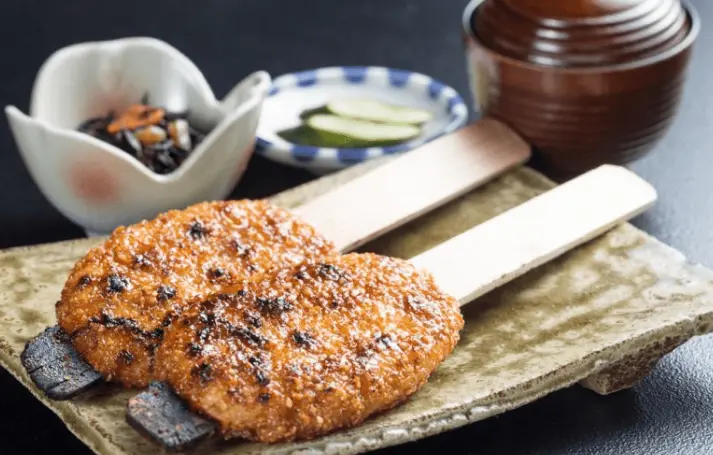
🍡 Gohei-mochi
Grilled rice cakes coated with a savory-sweet miso and walnut sauce, served on a stick.
They are handmade and freshly grilled in many of the village’s small shops — perfect for a warm snack while walking.
🍖 Hida Beef (Hida-gyu)
This premium local beef from nearby Takayama is famous for its marbling and tenderness.
It’s often served as Hoba-yaki — slices of beef grilled on a magnolia leaf with miso sauce, a regional specialty.
🥢 Tofu Dengaku
Skewered tofu grilled over charcoal and topped with miso paste.
The rich aroma of roasting miso fills the air, making it a favorite among travelers.
🍚 Sansai (Mountain Vegetables)
In spring and early summer, locals harvest wild greens such as fern shoots and butterbur, lightly boiled or stir-fried.
These earthy, slightly bitter flavors are a true taste of the mountains.
🐟 River Fish (Ayu or Iwana)
Caught fresh from the nearby Shogawa River, these fish are grilled over open charcoal fires until the skin turns crisp and golden.
Eating in Shirakawa-go is not about luxury — it’s about simplicity, freshness, and connection to the rhythm of nature.
3. Cafés and Small Eateries in the Village
While Shirakawa-go is small, it offers a surprising variety of cozy cafés and eateries — many housed in restored Gassho-zukuri farmhouses.
Traditional Teahouses
These rustic wooden cafés serve matcha, local sweets, and light meals.
Sitting by the window with tea and Gohei-mochi while watching the snow fall is one of the most peaceful moments you can have here.
Soba and Noodle Shops
Handmade soba noodles made with local buckwheat are a regional favorite.
Served hot in winter or chilled with dipping sauce in summer, soba embodies the balance and simplicity of rural cuisine.
Irori-style Restaurants
Some restaurants preserve the old farmhouse layout, with an irori hearth at the center.
Here, guests can enjoy grilled fish, miso soup, and rice cooked in traditional iron pots.
It’s not just a meal — it’s a journey into the daily life of mountain people.
Coffee and Dessert Spots
In recent years, a few small cafés have opened, blending tradition with modern comfort.
Try local desserts like warabi mochi, soft rice cakes covered in kinako (soybean flour), or handmade ice cream made from Hida milk.
4. Seasonal Specialties and Comfort Foods
Because Shirakawa-go’s life is shaped by its dramatic seasons, local dishes change beautifully throughout the year.
🌸 Spring
Fresh wild vegetables (sansai), bamboo shoots, and tempura dishes appear after the snow melts.
Homemade miso soup flavored with young greens celebrates new beginnings.
☀ Summer
Cool soba noodles, fresh river fish, and pickled vegetables provide refreshing relief from the humidity.
Visitors can enjoy riverside dining spots or small stalls serving Gohei-mochi under the trees.
🍁 Autumn
The season of abundance — mushrooms, chestnuts, and new rice.
You’ll find matsutake mushroom rice, roasted chestnuts, and hotpot dishes filled with mountain produce.
The air carries the scent of miso and fallen leaves.
❄ Winter
When snow blankets the village, hearty nabe (hotpot) meals and stewed dishes keep families warm.
Ingredients like tofu, daikon, and preserved vegetables are cooked slowly over the hearth, creating deep, comforting flavors.
Each season brings its own table — a reflection of how people here live not apart from nature, but within it.
5. Souvenirs and Local Products
Bringing something home from Shirakawa-go is like carrying a piece of the village’s heart with you.
Most souvenirs here are handmade, using natural materials and traditional techniques that have been part of local life for centuries.
🍶 Local Sake and Craft Beer
Try sake brewed with pure mountain water, such as Hakusan or Shirakawa-no-sato labels.
Small shops also sell limited-edition bottles or mini sets perfect for gifts.
🍙 Miso, Pickles, and Condiments
Homemade miso and pickled vegetables (especially daikon and cucumber) are popular gifts.
They reflect the mountain lifestyle, where people preserve food for long winters.
🍬 Japanese Sweets and Snacks
Handmade warabi mochi, dorayaki, and rice crackers are made fresh by local families.
Many shops offer free samples — don’t hesitate to try before buying.
🪵 Wooden and Straw Goods
From hand-carved spoons to straw ornaments, these simple crafts are both useful and symbolic.
The straw decorations, shaped like Gassho-zukuri roofs, are believed to bring good fortune and protection.
Each product feels personal — made not for mass production, but with care and pride.
6. Handicrafts and Folk Art
Shirakawa-go’s crafts are deeply tied to the daily lives of its people.
They’re born from the same materials and mindset that built the village itself — respect for nature and balance with the seasons.
🧶 Woven Fabrics and Embroidery
Local women weave cloth on wooden looms, creating items like coasters, purses, and table runners in soft, natural colors.
🌾 Straw and Rope Crafts
Straw from harvested rice is used to make sandals, mats, and decorative ropes — a tradition of using every part of what nature provides.
🏠 Gassho-zukuri Miniatures
Tiny replicas of the thatched houses, often carved or assembled by local artisans, make meaningful keepsakes.
Each miniature represents the architectural wisdom and community spirit that define Shirakawa-go.
🪶 Woodcraft and Bamboo Items
Hand-carved spoons, chopsticks, and trays reflect the beauty of simple craftsmanship — elegant in form, practical in use.
These crafts are not just souvenirs; they are expressions of the village’s soul, shaped by hands that understand the rhythm of mountain life.
7. Where to Shop in and Around the Village
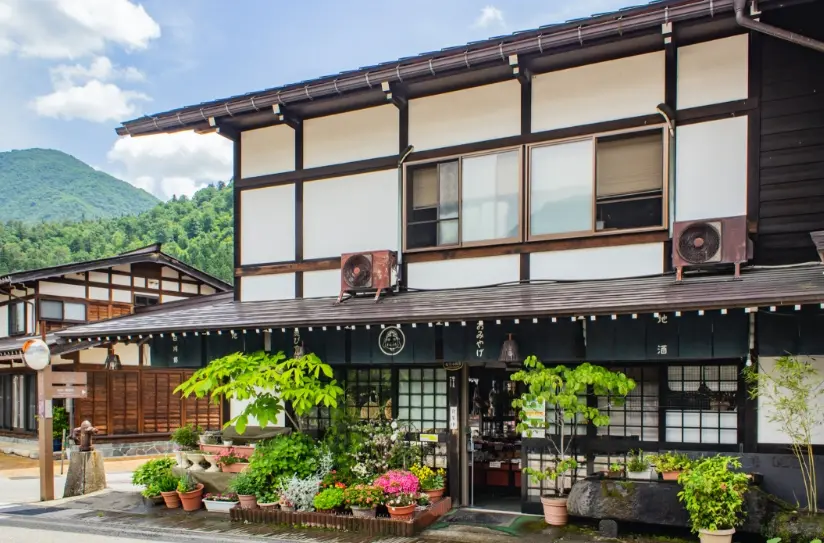
Most souvenir shops in Shirakawa-go are concentrated along the main walking street of Ogimachi Village, just across the suspension bridge from the bus terminal.
Here you’ll find a mix of food stalls, craft stores, and small family shops, many operating out of restored thatched houses.
Popular Areas:
Near the Shirakawa-go Bus Terminal – convenient for quick snacks or take-home gifts before you leave.
Around Myōzenji Temple – smaller artisan shops specializing in handmade crafts and pottery.
At the Observation Deck area – scenic cafés and souvenir corners with panoramic views of the village.
If you’re driving, stop by “Michi-no-Eki Shirakawa-go” (Roadside Station) on Route 156, just outside the village.
It offers parking, restrooms, and a wide selection of local specialties, including sake, pickles, and fresh produce.
Shopping here isn’t about collecting things — it’s about connecting with the people behind them.
8. Tips for Choosing and Bringing Home Gifts
🎁 Choose handmade and local: Items crafted or cooked in the village directly support local families.
🧳 Check customs regulations: Avoid bringing perishable goods or liquids into certain countries.
☀ Buy before noon: Popular snacks like Gohei-mochi or fresh sweets often sell out early.
💴 Bring cash: Many small shops don’t accept credit cards.
💬 Say “Arigatou” (ありがとう): A simple thank-you goes a long way — most shopkeepers are delighted to share stories about their products.
The best souvenir from Shirakawa-go isn’t always something you can pack in a suitcase.
It’s the memory of warm smiles, quiet craftsmanship, and the taste of food made with gratitude.
When you take these home — whether a jar of miso or a small wooden spoon — you’re carrying a little piece of the village’s spirit with you.
© 2024 Kanazawa Experience. Affiliate Links