Kanazawa Experience
Staying Overnight in Noto: Experience the Warmth of Japan’s Seaside Hospitality
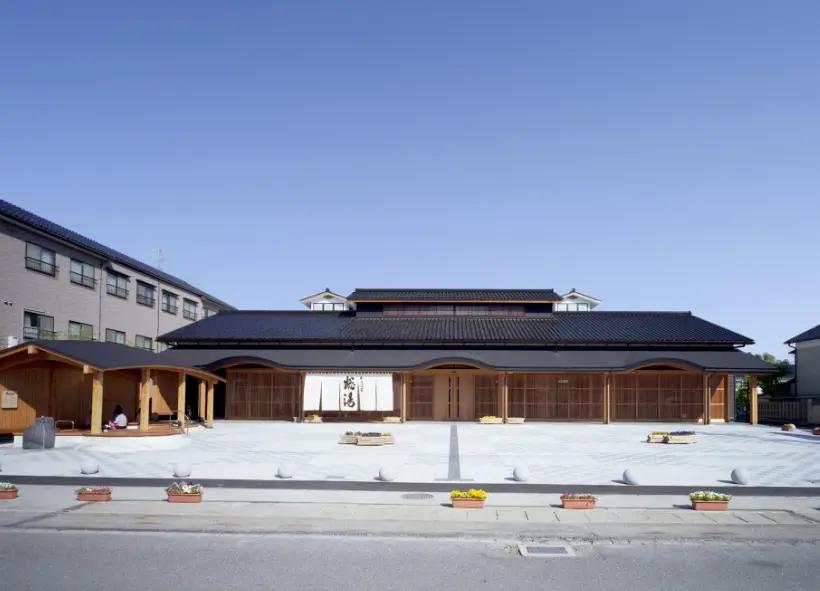
1. Introduction: Rest by the Sea, Rest in the Heart
A night in the Noto Peninsula is not just a place to sleep — it’s an experience of peace, sincerity, and belonging.
Here, between mountain and sea, time slows.
You listen to the waves instead of traffic, to the wind instead of screens, and you feel the rhythm of life returning to something simple and real.
Whether you stay in a seaside ryokan, a family-run guesthouse, or a farmhouse in the hills, you will encounter the true meaning of Japanese hospitality — omotenashi.
It is quiet, unspoken, and deeply felt.
In Noto, every stay is personal — a shared meal, a warm smile, a moment of connection.
2. Wakura Onsen – Classic Comfort with an Ocean View
At the center of Noto’s hospitality stands Wakura Onsen, one of the region’s oldest and most elegant hot spring towns.
Located on the calm shores of Nanao Bay, this onsen has welcomed travelers for more than 1,200 years.
♨ The Essence of Seaside Relaxation
Many ryokans here feature open-air baths facing the sea, where you can soak while watching fishing boats drift past at sunset.
The mineral-rich waters are believed to heal fatigue and warm the heart — a perfect reward after a day of exploring.
🍱 Ryokan Dining
Dinner at a Wakura ryokan is an art form: beautifully arranged dishes of Noto crab, seasonal vegetables, and freshly caught fish.
Meals are served in your room or a private dining space, creating an atmosphere of gentle stillness.
🏨 Notable Stays
Kagaya Ryokan – renowned for its world-class service and oceanfront suites.
Tadaya Ryokan – elegant yet intimate, with a long tradition of family hospitality.
Yukai Resort Noto Nanki – a more casual option with easy booking for international visitors.
To stay in Wakura is to feel refined calm — the balance between luxury and humility that defines true Japanese style.
3. Wajima – Tradition, Craft, and Quiet Nights
Further north along the coast lies Wajima, a small port town where life revolves around craft, market, and the sea.
At night, the air smells faintly of salt and lacquer — reminders of the artisans who keep ancient traditions alive.
🪵 Staying in a Town of Craft
Wajima’s inns are often wooden and family-run, combining comfort with local character.
Some are attached to lacquerware studios, where guests can join simple workshops or meet the artists themselves.
🌅 The Morning Market and Night Calm
Stay near the Wajima Morning Market to experience its early bustle — grandmothers selling vegetables, fishermen preparing their catch, and shopkeepers greeting everyone by name.
By evening, the streets grow silent except for the sound of waves and temple bells.
It’s a different rhythm — peaceful, authentic, unforgettable.
🏨 Recommended Accommodations
Wajima Onsen Yashio – ocean-view onsen with modern comforts.
Pension Croissant – cozy inn loved by solo travelers and cyclists.
Guesthouse Umioto – simple, warm, and run by locals who treat you like family.
In Wajima, the comfort is not in luxury — it’s in human connection and the beauty of small, sincere moments.
4. Suzu and Okunoto – Where Time Stands Still
At the northernmost tip of the peninsula lies Suzu, often called Okunoto — “the deep Noto.”
This is Japan at its most remote and poetic, a land of sea winds, salt farms, and quiet devotion.
🌊 Staying by the Edge of Japan
Guesthouses here are small, often with just a few rooms.
Many are run by fishermen or farmers who cook what they harvest that day — grilled fish, handmade miso soup, rice from their own fields.
You may dine together, laughing despite language barriers, watching the stars come out over the sea.
🌾 The Beauty of Simplicity
Electric signs are few, and the night sky is full of light.
Some inns offer one-house stays or renovated traditional homes surrounded by rice terraces.
Here, you can feel what the Japanese call “ma” — the sacred silence between sounds, between moments.
🏡 Notable Stays
Lamp no Yado – a legendary seaside ryokan built into the cliffs, known for its private onsen and lantern-lit paths.
Aenokaze Farmstay Homes – stay with local families who practice age-old rituals of gratitude for harvest.
Suzu Beach House – minimalist retreat designed by local architects for modern travelers seeking solitude.
In Suzu and Okunoto, you don’t just stay overnight — you belong for a while.
The stillness itself becomes your companion.

5. Farm Stays and Local Guesthouses
Inland from the coast, Noto’s quiet villages offer farm stays and local guesthouses where you can experience rural life firsthand.
These small homes, often run by farming families, invite guests not as tourists but as temporary members of the household.
🌾 Life on the Land
You might join rice planting in spring, harvest vegetables in autumn, or learn how to make miso and pickles passed down through generations.
Evening meals are shared around a low table — grilled fish, mountain vegetables, miso soup, and laughter.
The comfort here is not in luxury, but in authenticity — the feeling of belonging, of being seen and cared for.
🏡 Recommended Experiences
Shunran-no-Sato (春蘭の里, Nakanoto Town) – a cluster of farmhouses offering traditional countryside stays.
Noto Farm Village – workshops in cooking, harvesting, and local crafts.
Yokoyama Guesthouse – family-run inn known for homegrown rice and heartfelt hospitality.
For many visitors, these stays become the most meaningful part of their trip — a reminder that connection can be as nourishing as food itself.
6. Luxury and Design Stays
Noto also welcomes travelers seeking comfort, architecture, and artistry in harmony with nature.
Here, modern design meets ancient landscape, creating spaces that inspire calm rather than opulence.
🌊 Seaside Elegance
Lamp no Yado (珠洲ランプの宿) remains one of Japan’s most romantic retreats — hidden in a cliffside cove where lanterns glow against the night sea.
Its private open-air baths and candlelit dinners capture the magic of isolation.
🪵 Contemporary Retreats
New boutique lodgings such as Notonosumika, Notojima Lodge, and Noto Satoyama Design Hotels combine minimalist interiors with local materials — cedar wood, washi paper, and stone.
Each is designed to blend into its surroundings, not dominate them.
🌿 Sustainable Stays
Many accommodations in Noto now follow eco-conscious principles: solar heating, zero-waste kitchens, and community-sourced food.
They represent a new kind of luxury — one measured by care for the earth, not extravagance.
Whether you choose a private villa or a simple modern inn, every stay in Noto shares a single essence: quiet beauty born from balance.
7. Practical Information and Booking Tips
Noto may feel remote, but its hospitality is easily accessible once you plan a little ahead.
🗓 When to Visit
Spring (March–May): Cherry blossoms and mild temperatures.
Summer (June–August): Ideal for sea views and festivals, though warm.
Autumn (September–November): Crisp air, harvest season, and vibrant colors — the most recommended time.
Winter (December–February): Peaceful, with snow views and rich seafood; perfect for hot springs.
🌐 Booking & Transportation
Book directly through ryokan websites, or international platforms such as Rakuten Travel, Booking.com, or Japanican.
Many ryokans offer pickup from Wakura Onsen Station or Wajima Bus Terminal upon request.
English support varies — smaller inns may use translation apps, while larger ones often have bilingual staff.
💴 Price Range (per person/night)
| Type | Price Range | Includes |
|---|---|---|
| Family Guesthouse | ¥8,000–12,000 | Dinner & breakfast |
| Mid-range Ryokan | ¥15,000–25,000 | Onsen & kaiseki meal |
| Luxury Villa / Boutique Stay | ¥30,000–60,000+ | Private bath, ocean view, full service |
💡 Cash is still preferred in rural areas; bring yen just in case.
8. The Essence of a Night in Noto
When night falls in Noto, silence takes on its own melody.
You might hear waves brushing the shore, or wind through bamboo leaves — small sounds that remind you of the world’s gentleness.
In the warmth of an onsen, or beneath a futon in a wooden farmhouse, you feel something beyond comfort — a sense of belonging to nature itself.
The stars seem closer, the air cleaner, and the people kinder.
To stay overnight in Noto is to experience what the Japanese call “yasuragi” — the peace that comes when heart and place are in harmony.
You don’t just rest your body here.
You rest your spirit.
🌿 In Essence
Every inn, every host, every landscape in Noto teaches the same lesson:
hospitality is not service — it is care.
A night in Noto stays with you long after you leave — in the scent of cedar, the warmth of bathwater, and the memory of quiet smiles shared across a meal.
It is Japan at its purest: humble, graceful, and endlessly human.
© 2024 Kanazawa Experience. Affiliate Links