Kanazawa Experience
History & Heritage of Noto: Where Nature and Faith Shape Everyday Life
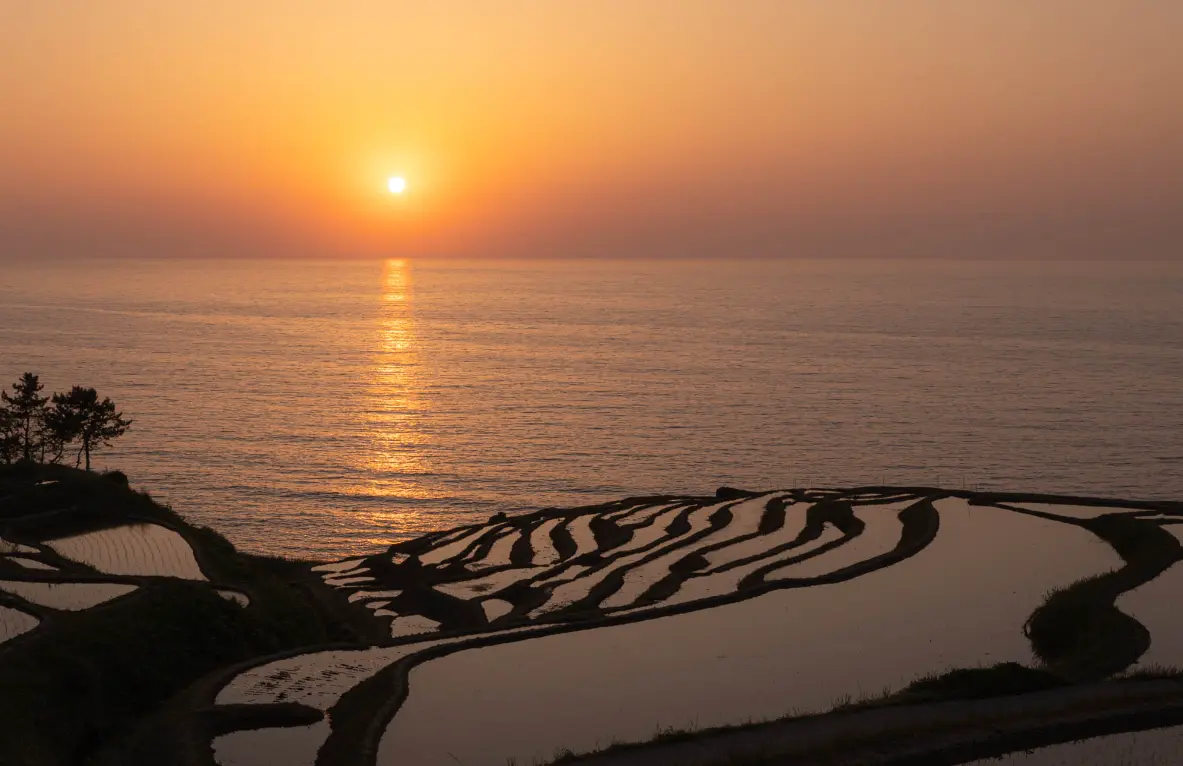
1. Introduction: A Land Formed by Nature and Spirit
The Noto Peninsula is more than a landscape — it is a living story of coexistence between humans, nature, and faith.
Shaped by sea winds and centuries of devotion, this northern corner of Japan has cultivated a culture that is humble, resilient, and deeply spiritual.
Here, the sea provides food, the forests provide life, and people give thanks through festivals and prayers.
Life is still guided by a sense of gratitude — for the harvest, for the tides, and for the unseen forces that connect all things.
To understand Noto’s history is to feel Japan’s original heartbeat — the quiet rhythm of community, craftsmanship, and reverence for the natural world.
2. From Ancient Seas to Sacred Shores
Long before modern Japan was formed, the Noto Peninsula stood as a crossroads of sea routes linking the Asian continent with the Japanese archipelago.
Fishermen, traders, and monks arrived by boat, bringing salt, rice, and spiritual beliefs that blended seamlessly with local traditions.
The coastline’s dramatic cliffs and hidden coves shaped not only the geography but also the character of its people — patient, enduring, and deeply connected to the ocean.
Generations learned to live with the rhythm of waves and the uncertainty of storms.
Over time, these natural challenges inspired a worldview centered on respect rather than conquest — the belief that humans must live in balance with nature’s power.
The sea, once feared, became sacred. Temples and shrines were built facing the horizon, where prayers could reach both the gods and the endless water beyond.
3. Faith and Festivals – The Soul of Noto
Faith in Noto is not confined to temples — it flows through the entire landscape.
From mountaintop shrines to coastal rituals, spirituality here is woven into daily life, expressing gratitude and harmony rather than doctrine.
⛩ The Way of Nature Worship
Noto’s faith blends ancient Shinto beliefs with Buddhist influences.
At shrines such as Keta Taisha and Myōjō-ji Temple, visitors sense the quiet link between the divine and the natural.
Here, people pray not for wealth, but for peace, good harvests, and safe journeys across the sea.
🎋 Kiriko Festivals – Light and Spirit
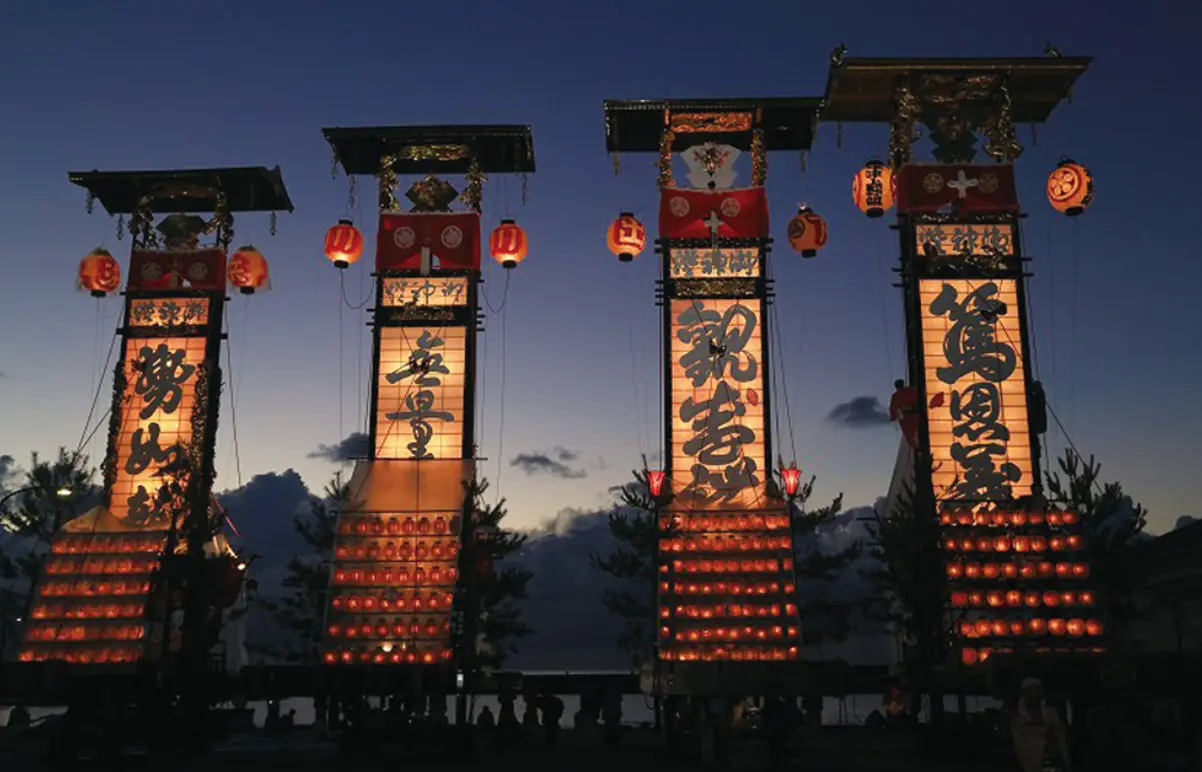
Throughout summer and autumn, towns across Noto hold Kiriko Festivals, where enormous lanterns — some as tall as a building — are carried through the streets.
Accompanied by taiko drums and chants, they light up the night in celebration of the gods and ancestors.
Each village’s festival is unique, but all share the same heartbeat: joyful gratitude for life.
For visitors, the sight of glowing lanterns moving through the darkness feels like a bridge between the human and the sacred.
🪶 The Spirit of Coexistence
Rather than separating the sacred from the ordinary, Noto’s culture unites them.
The divine is found in the wind, in the rice fields, in the hands of the craftsman — everywhere life continues with respect.
4. Artisan Traditions Passed Through Generations
Just as faith is inherited, so too are the crafts that define Noto’s identity.
Across centuries, artisans have worked with patience and devotion, creating objects that embody the region’s values of endurance, simplicity, and sincerity.
🎨 Wajima Lacquerware (Wajima-nuri)
Perhaps Noto’s most famous craft, Wajima lacquerware represents both artistry and faith.
Each piece — a bowl, tray, or box — undergoes more than 100 separate processes, from coating to polishing.
Made with sap from local trees and dusted with natural powders, Wajima lacquerware is built to last for generations.
To hold one is to touch time itself.
🔥 Suzu Pottery (Suzu-yaki)
In Suzu, potters use rough, iron-rich clay and ancient kilns to create simple, grey-toned ceramics once used by monks and farmers.
Their beauty lies in imperfection — a reflection of nature’s quiet truth.
📜 Noto Washi (Handmade Paper)
Using mountain spring water and mulberry bark, local papermakers produce washi that is both strong and translucent.
It has been used for lanterns, calligraphy, and rituals for over 800 years.
Each of these crafts is more than a product — it is a form of prayer through the hands.
They remind us that creation in Noto is not about profit or fame, but about connection — between maker, material, and the eternal.
5. Wajima – A Town of Craft and Resilience
At the heart of Noto’s northern coast lies Wajima, a town that embodies both artistry and endurance.
Facing the Sea of Japan, it has long been a center of trade, culture, and craftsmanship — yet also a place shaped by hardship and renewal.
🎨 The Art of Everyday Life
For centuries, Wajima has been home to Japan’s most revered lacquerware artisans.
Each piece of Wajima-nuri reflects the patience and precision of those who refuse to rush time.
Workshops still line the narrow backstreets, their doors open to the sea breeze and the sound of sanding and polishing.
🌅 The Morning Market (Asaichi)
Every day for over a thousand years, the Wajima Morning Market has brought locals together to share the harvest of land and sea.
Elderly women — the soul of the town — sell vegetables, handmade goods, and warm smiles.
The market is not merely commerce; it is community in motion, a living thread that connects generations.
🕯 A Spirit That Endures
When the 2024 earthquake struck, Wajima suffered greatly — yet even in loss, its people showed remarkable grace.
Artisans salvaged broken tools, neighbors shared food, and workshops reopened as soon as they could.
The spirit of “yorokobi to inori” — joy and prayer — continues to guide the town’s rebirth.
In Wajima, resilience is not loud; it is quiet, steady, and filled with love for one’s craft and hometown.
6. Pilgrimage Routes and Hidden Shrines
Across the Noto Peninsula, sacred sites are hidden among forests, rice terraces, and coastal cliffs.
They remind travelers that spirituality here is not found in grand monuments, but in humble paths walked with sincerity.
⛩ Keta Taisha Shrine
Located in Hakui at the entrance to Noto, this ancient shrine is dedicated to Okuninushi-no-Okami, the god of creation and harmony.
Locals believe it blesses relationships and new beginnings — making it a popular stop for pilgrims and couples alike.
🪶 Myojo-ji Temple
A major Nichiren temple founded in the 13th century, Myojo-ji features wooden pagodas and moss-covered gardens that radiate timeless calm.
The sound of wind through cedar trees here is as sacred as any prayer.
🏞 Hidden Shrines and Coastal Paths
Throughout the peninsula, small stone torii gates mark forgotten forest trails and seaside sanctuaries.
Some overlook the sea, others stand deep in mountain groves — silent witnesses to centuries of devotion.
Many visitors find themselves walking these paths not to seek gods, but to rediscover something within — stillness, gratitude, and connection.
7. The Earthquake and the Spirit of Recovery
On New Year’s Day 2024, a powerful earthquake struck the Noto Peninsula, shaking its towns and hearts.
Homes, temples, and workshops were damaged, yet amid the ruins, one truth emerged: Noto’s spirit cannot be broken.
Residents supported each other with quiet strength — sharing meals, reopening inns, repairing shrines, and welcoming volunteers with gratitude rather than despair.
Local artisans began restoring what was lost using the same patience that defines their craft.
In some studios, broken lacquerware is being repaired using the art of kintsugi — the Japanese method of filling cracks with gold — a fitting symbol of how beauty and imperfection can coexist.
For visitors, coming to Noto now is an act of empathy and encouragement.
Travel gently, support local shops, and listen to their stories.
You are not just a tourist — you are part of the recovery.
8. Preserving Noto’s Living Heritage
Today, the Noto Peninsula stands as a symbol of Japan’s living heritage — where ancient traditions adapt without losing their essence.
The region’s designation as a UNESCO Globally Important Agricultural Heritage Site (for its Satoyama and Satoumi systems) recognizes what locals have always known:
that true sustainability comes from gratitude, not technology.
Young artisans are returning to Wajima and Suzu, reviving crafts and opening small cafés, studios, and guesthouses that welcome travelers into the rhythm of local life.
Schools teach children not only academics but how to plant rice, fish, and care for the land.
This continuity — from elder to child, from sea to soil — is what keeps Noto alive.
It is not a museum, but a living poem written each day by those who choose to stay.
As you walk through its villages, you feel it: the calm of tradition, the courage of recovery, and the warmth of people who live in harmony with the earth.
To visit Noto is to witness Japan’s spirit — not in the past, but in motion, quietly enduring, beautifully human.
© 2024 Kanazawa Experience. Affiliate Links