Kanazawa Experience
Food & Souvenirs in Noto: Taste and Craft from Japan’s Heartland
1. Introduction: Flavors Shaped by Land and Sea
In Noto, food is more than nourishment — it is a reflection of balance.
Between the sea and the mountains, between human hands and the natural world, the region’s cuisine expresses a quiet gratitude for life itself.
The Noto Peninsula’s Satoyama and Satoumi culture — recognized by UNESCO — celebrates coexistence between people, land, and ocean.
Every ingredient, from rice and salt to fish and vegetables, comes from nearby fields or bays, harvested with care and respect.
Meals in Noto are not designed to impress, but to honor the seasons.
To taste Noto is to experience Japan at its most sincere — unhurried, grounded, and beautifully simple.
2. Seafood — The Blessing of the Japan Sea
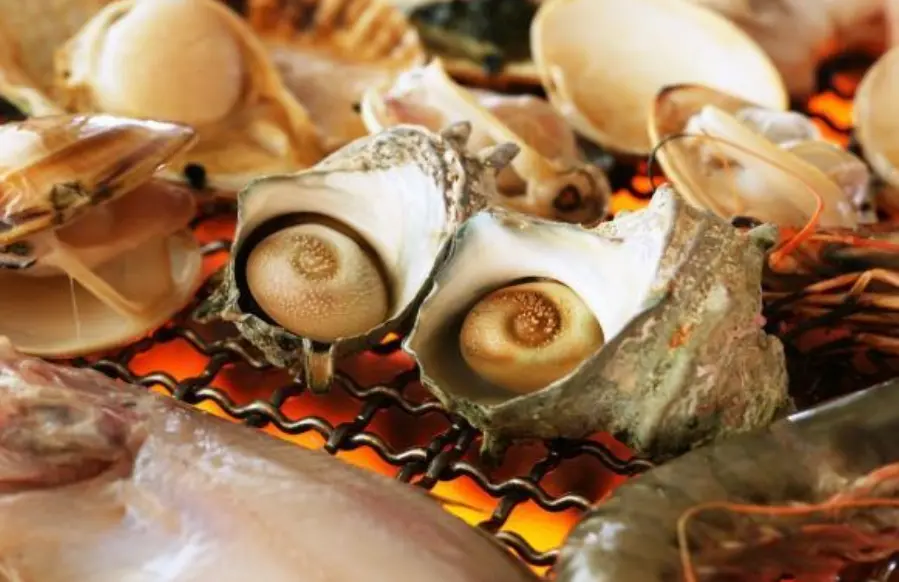
The Sea of Japan is Noto’s pantry and its pride.
Cold currents bring abundant fish and shellfish, making seafood the heart of the region’s cuisine.
🦪 Noto Oysters (Noto Kaki)
Raised in the clear waters of Nanao Bay, Noto oysters are plump, sweet, and brimming with umami.
They’re best enjoyed grilled on the spot or freshly shucked with a squeeze of citrus.
🐟 Noto Crab and Yellowtail (Kan-buri)
In winter, Noto becomes a paradise for seafood lovers.
Snow crabs and fatty yellowtail (buri) are caught from icy waters — prized for their richness and depth of flavor.
🐙 Squid, Shrimp, and Seaweed
Along the rugged coasts of Wajima and Suzu, fishermen bring in squid, prawns, and edible seaweed (wakame) each morning.
These ingredients appear in simple dishes — grilled, sun-dried, or simmered with miso — each preserving the pure taste of the sea.
🍣 Sushi and Kaisendon
Noto’s sushi is humble and intimate.
At small counters, chefs prepare local fish caught hours earlier.
Try a Noto Seafood Bowl (Noto-don), filled with the day’s freshest catch and served over warm rice — a taste of the ocean in every bite.
In Noto, seafood is not luxury — it’s a way of life, shared daily between the sea and those who live beside it.
3. Local Dishes & Seasonal Cuisine
Every meal in Noto tells a story of the land and the people who tend it.
The recipes are ancient, yet alive — shaped by necessity, patience, and gratitude.
🥢 Ishiiru-nabe (Fermented Fish Hotpot)
Made with ishiru, a traditional fish-based soy sauce unique to Noto, this hotpot is both hearty and soulful.
Its deep, salty aroma fills winter kitchens, warming body and spirit alike.
🥬 Mountain and Garden Vegetables
The satoyama landscape provides wild vegetables like zenmai (fiddlehead ferns), takenoko (bamboo shoots), and sansai herbs.
They are lightly simmered or tempura-fried — cooked simply to highlight their natural sweetness.
🍚 Noto Rice
Grown in terraced fields such as Shiroyone Senmaida, Noto rice is rich and slightly sticky.
Each grain carries the flavor of pure spring water and coastal breeze.
🍢 Homestyle Meals
At local inns and farmhouses, meals might include grilled mackerel, handmade tofu, or pickled daikon.
It’s not a restaurant-style feast — it’s a conversation between the host, the land, and the traveler.
4. Sake, Salt, and Fermented Flavors
The people of Noto have mastered the art of transformation — turning simple ingredients into treasures through time and fermentation.
🍶 Noto Sake and Toji Masters
Noto is famous for its Toji Guild, a group of legendary sake brewers whose skills shaped Japan’s sake culture.
The region’s pure water and cold winters produce crisp, balanced sake with subtle sweetness.
Recommended breweries include Tengumai, Hakuto, and Chikuha.
🧂 Suzu Salt (Agehama-style Saltworks)
In Suzu, salt is still made by hand using the ancient agehama method.
Seawater is spread over sand, dried by the sun, and slowly boiled down — a patient ritual that captures the soul of the sea.
🥣 Soy Sauce, Miso, and Fermented Wisdom
Small family workshops in Noto continue to produce natural soy sauce, miso, and vinegar using wooden barrels and local koji mold.
Each batch ferments slowly, absorbing the rhythm of the seasons.
The result is not just flavor, but depth — the taste of time itself.
Fermentation here is more than cooking — it is faith in the unseen, a quiet partnership with nature that rewards patience with harmony.
5. Sweet Treats and Tea Culture
After the rich flavors of seafood and fermented dishes, Noto’s gentle side reveals itself in its sweets and teas — expressions of care and calm.
🍡 Traditional Wagashi
In towns like Nanao and Wajima, small confectioners craft wagashi (Japanese sweets) using red beans, rice flour, and seasonal fruits.
Try Noto yokan (sweet bean jelly), kuzumochi (arrowroot cake), or uguisu-mochi, all made with locally sourced ingredients.
🍵 Tea and Relaxation
Tea in Noto is not ceremonial — it’s personal.
At family inns or cafés, you may be served local green tea or hojicha roasted over charcoal.
Some farmers in inland Noto even grow Japanese black tea (wakoucha), offering a soft, honeyed aroma perfect for slow mornings by the sea.
🍶 Sweet Ferments and Desserts
In colder months, locals enjoy amazake — a warm, mildly sweet rice drink rich in enzymes and tradition.
Modern cafés in Wakura and Nanao have begun blending it into puddings and ice creams, merging ancient nutrition with modern taste.
Each sweet bite or sip of tea carries the same essence that defines Noto’s hospitality: gentleness, patience, and gratitude.
6. Souvenirs of Craft and Care
Bringing home a piece of Noto means carrying its spirit — handmade, honest, and rooted in time.
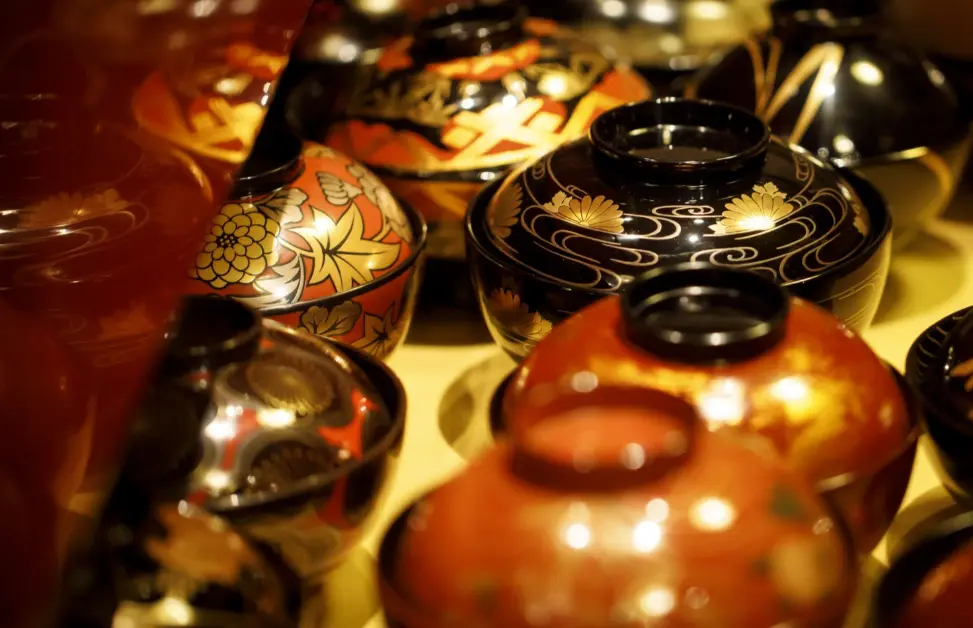
🎨 Wajima Lacquerware (Wajima-nuri)
The region’s most iconic craft.
Each piece takes months to complete, coated in natural lacquer and decorated with gold or mother-of-pearl inlay.
Beyond beauty, these items are meant to be used daily — elegance in everyday life.
🧂 Suzu Salt & Sea Products
Packaged agehama salt, dried seaweed, and handmade soy sauce are simple yet profound gifts.
They carry the scent of the sea and the craftsmanship of those who harvest by hand.
🍶 Sake and Local Beverages
Bottles of Tengumai or Chikuha sake make refined souvenirs.
For non-drinkers, amazake or Noto milk caramel offer sweet alternatives with the same local touch.
🪵 Noto Wood & Paper Crafts
Small studios produce chopsticks, trays, and lampshades from local cedar and mulberry.
Their smooth textures and minimalist forms reflect the serenity of Noto’s landscape.
Every souvenir from Noto tells a quiet story — not of luxury, but of life crafted by human hands in harmony with nature.
7. Markets and Shops to Explore
Exploring Noto’s local markets is one of the best ways to meet its people — farmers, fishermen, and artisans who embody the region’s heart.
🌅 Wajima Morning Market (輪島朝市)
Running for over a thousand years, this market opens with the sunrise.
Here you can taste grilled squid, buy handmade chopsticks, or watch grandmothers proudly sell their pickled vegetables.
Their smiles are the truest souvenir you can bring home.
🛍 Michi-no-Eki Roadside Stations
Throughout the peninsula, “michi-no-eki” rest stops sell fresh produce, seafood, and crafts.
Takamatsu Roadside Station: known for soft-serve ice cream made from Noto milk.
Notojima Roadside Market: sells sea salt, dried fish, and shell accessories.
🏪 Wakura Onsen & Noto Airport Shops
For travelers with limited time, these hubs offer curated local products — lacquerware, sake, salt, and sweets — beautifully packaged for gifting abroad.
Visiting these markets is a journey through Noto’s living economy — one where trade is still personal, and every transaction begins with conversation.
8. The Taste of Noto — More Than a Meal
To eat in Noto is to understand a philosophy:
that food is not just prepared — it is cultivated, shared, and blessed.
Each grain of rice, each cup of tea, and each crafted bowl reflects generations of respect for the earth and sea.
The people of Noto cook the way they live — with patience, with gratitude, and with quiet joy.
When you leave, you may carry souvenirs in your hands, but the true gift stays within:
the memory of flavors that connect you to a place where life moves gently,
and every meal is a small act of love.
🌾 In Essence
Noto’s food and crafts are inseparable — both are born from care, time, and touch.
They remind travelers that luxury is not found in excess, but in meaning.
To taste Noto is to taste sincerity.
To take home Noto is to take home a fragment of Japan’s soul.
© 2024 Kanazawa Experience. Affiliate Links