Kanazawa Experience
Access from Kanazawa to Noto: A Scenic Journey from City to Coast
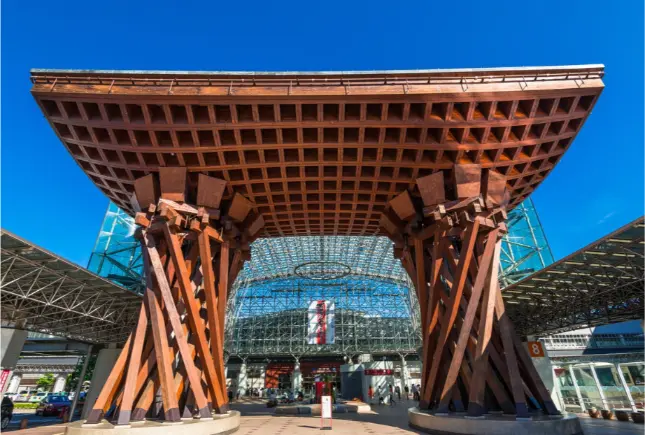
1. Introduction: From Castle Town to Coastal Serenity
Leaving Kanazawa behind, the journey to the Noto Peninsula feels like stepping into another world.
Within just a few hours, the rhythm of city life fades into the quiet pulse of the sea.
Rice fields replace buildings, pine trees line the road, and the scent of salt air fills the breeze.
Traveling from Kanazawa to Noto is more than transportation — it’s a gradual transformation.
As the landscape opens to the Sea of Japan, you begin to understand why Noto is called “Japan’s heart of nature and tradition.”
Every kilometer northward feels like moving closer to stillness, sincerity, and the soul of rural Japan.
2. Overview of the Route
The Noto Peninsula lies about 120–150 km (75–95 miles) north of Kanazawa, depending on your destination.
Most visitors travel toward Wakura Onsen, Wajima, or Suzu, the three main gateway areas.
| Destination | Approx. Distance | Travel Time | Recommended Route |
|---|---|---|---|
| Wakura Onsen (central Noto) | 95 km | 1.5 hrs | Nanao Line / Noto Satoyama Kaido |
| Wajima (northwest coast) | 135 km | 2.5 hrs | Noto Satoyama Kaido → Route 249 |
| Suzu (northern tip) | 155 km | 3 hrs | Noto Satoyama Kaido → Okunoto Loop |
There are three main ways to reach Noto:
By Train – fast and comfortable up to Wakura Onsen.
By Car – the most scenic and flexible way to explore.
By Highway Bus – convenient and affordable for solo travelers.
Each route offers something unique — from panoramic sea drives to quiet countryside stations — so your choice depends on whether you value speed, scenery, or serenity.
3. By Train: Relaxed and Convenient
Traveling by train from Kanazawa to Noto is both easy and peaceful.
The JR Nanao Line connects Kanazawa Station with Wakura Onsen Station, the gateway to the peninsula.
🚄 Route Details
Train Type: JR Limited Express “Noto Kagaribi” or local Nanao Line trains
Travel Time: 1 hour 10–20 minutes
Fare: Around ¥1,700–¥2,800 (depending on train type and seat)
Destination: Wakura Onsen Station (direct service)
The journey offers gentle countryside views — rice paddies, rivers, and glimpses of the Sea of Japan.
From Wakura Onsen Station, you can reach:
Wajima (1 hr 30 min by local bus or taxi)
Suzu (about 2 hrs by bus or car)
💡 Tips
Trains are punctual and comfortable; seat reservations are recommended in peak seasons.
At Wakura Onsen Station, ryokan shuttles and taxi services are available.
For those planning to visit multiple towns, consider combining train and private transfer for flexibility.
The train route is perfect for travelers who wish to arrive rested and ready to explore — enjoying the transition from city to countryside with ease.
4. By Car: The Freedom of the Open Road
For travelers who love freedom and scenic drives, renting a car or booking a private transfer is the best way to experience Noto.
The region’s coastline roads are among Japan’s most beautiful, combining ocean views, forest curves, and peaceful rural villages.
🚘 Main Driving Routes
1. Noto Satoyama Kaido (のと里山海道)
A toll-free expressway connecting Kanazawa and Noto.
Travel time to Wakura Onsen: about 90 minutes.
Runs parallel to the coastline, offering sweeping sea views.
Rest stops feature cafés, local food, and souvenir markets.
2. Chirihama Nagisa Driveway (千里浜なぎさドライブウェイ)
A truly unique route where you can drive directly on the beach.
Stretching about 8 km, it’s one of the few beaches in the world with sand firm enough for cars.
Open year-round but may close temporarily during high tides or storms.
3. Noto Kongo and Route 249
For those continuing north to Wajima or Suzu, this route passes cliffs, fishing ports, and small temples along the sea.
Perfect for slow travelers and photographers.
🧭 Driving Tips
Japan drives on the left side; rental cars in Kanazawa include English GPS options.
In winter (Dec–Feb), bring or request snow tires — roads can be icy near the coast.
Plan fuel stops; gas stations may close early in rural areas.
Driving through Noto is not just transportation — it’s an invitation to explore.
You can stop wherever beauty calls: a seaside café, a tiny shrine, or a lone torii gate glowing in sunset light.

5. By Highway Bus: Budget-Friendly and Easy
For travelers who prefer simplicity and savings, highway buses offer a comfortable, direct way to reach Noto from Kanazawa.
🚌 Route Details
Departure: Kanazawa Station East Exit (Bus Terminal)
Destination: Wakura Onsen, Wajima, or Suzu
Travel Time:
Kanazawa → Wakura Onsen: about 2 hours
Kanazawa → Wajima: about 3 hours
Kanazawa → Suzu: about 3.5 hours
Fare: ¥2,500–¥4,000 one way (depending on distance)
Buses are clean, air-conditioned, and usually feature reclining seats and luggage storage.
They are operated by companies such as Hokutetsu Bus and Noto Tetsudo, with multiple daily departures.
💡 Tips
Reservations can be made online or at Kanazawa Station’s ticket counter.
Sit on the right side for the best sea views along the Noto Satoyama Kaido.
Rest stops at scenic roadside stations (michi-no-eki) often sell local snacks, ice cream, and souvenirs.
Taking the bus is an excellent option for solo travelers or those who prefer a low-stress, eco-friendly way to experience rural Japan.
6. Scenic Stops Along the Way
The journey from Kanazawa to Noto is filled with quiet beauty — it’s worth pausing to enjoy the landscapes and traditions that lie between.
⛩ Keta Taisha Shrine (Hakui City)
One of Ishikawa’s oldest shrines, believed to bring blessings for relationships and safe travel.
The atmosphere is deeply spiritual, surrounded by cedar forests and ocean wind.
🌊 Chirihama Nagisa Driveway (Hodatsushimizu Town)
A must-see stop if driving. The chance to cruise right on the beach, with waves on one side and dunes on the other, is unforgettable.
🏖 Michi-no-Eki Takamatsu
A popular roadside station offering local snacks, restrooms, and a wide ocean view deck.
Try Noto milk ice cream — creamy and slightly salty from the sea breeze.
🌿 Nanao Bay Viewpoint
Before reaching Wakura Onsen, stop at a bay lookout to enjoy calm waters and fishing boats.
On clear days, you can see Mount Hakusan in the distance.
Each stop along the way offers a glimpse into the balance between nature, tradition, and everyday life that defines the Noto Peninsula.
7. Tips for Driving and Weather Awareness
Noto’s beauty changes with every season — but so do its road conditions.
A few simple preparations will ensure your journey is safe and enjoyable.
☀️ Summer (June–September)
Bring sunscreen and water; coastal roads can be bright and hot.
Keep your camera ready for vibrant blue skies and sunsets.
🍁 Autumn (October–November)
Roads are lined with golden rice fields and colorful forests.
Book early — this is peak season for photographers and couples.
❄️ Winter (December–February)
Expect snow and icy roads, especially near the mountains and in northern areas like Wajima or Suzu.
Use snow tires or book a private transfer with an experienced local driver.
🌸 Spring (March–May)
Mild weather and blooming cherry blossoms make for easy driving.
Early mornings are perfect for quiet roads and soft light.
General Safety:
Drive on the left side of the road.
Obey the modest speed limit (50–80 km/h) on rural highways.
Watch for animals (especially deer) during dawn or dusk.
The key is to drive slowly and savor the scenery — in Noto, there’s no need to hurry.
8. Suggested Itineraries
To make the most of your journey, consider these flexible sample routes — designed for balance between exploration and relaxation.
🚗 One-Day Trip: Sea and Onsen Escape
Route: Kanazawa → Chirihama Beach → Wakura Onsen → Return to Kanazawa
Enjoy the freedom of driving along the beach.
Stop for lunch at Wakura Onsen’s seaside cafés or ryokans.
Relax in a hot spring bath before returning in the evening.
🌅 Two-Day Journey: Culture and Coastline
Day 1: Kanazawa → Keta Taisha → Wajima Morning Market → Overnight in Wajima
Day 2: Wajima → Shiroyone Senmaida → Suzu → Return via Noto Satoyama Kaido
Discover rural shrines, local crafts, and breathtaking sea cliffs.
Stay at a family-run inn for home-cooked meals and warm hospitality.
🌿 Three-Day Exploration: The Full Noto Experience
Day 1: Kanazawa → Wakura Onsen → Nanao
Day 2: Nanao → Wajima → Suzu (stay overnight)
Day 3: Suzu → Okunoto coast → Return to Kanazawa
Perfect for travelers seeking a deeper, slower immersion.
Each route reminds you that travel in Noto is not about covering distance — it’s about discovering peace, authenticity, and the joy of small encounters along the way.
🌸 In Essence
Whether you choose the train, the highway bus, or the freedom of your own car,
the journey from Kanazawa to Noto is more than a transfer — it’s the beginning of understanding Japan’s gentle north.
As the city fades behind and the horizon widens,
you realize that in Noto, the road itself becomes part of the destination.
© 2024 Kanazawa Experience. Affiliate Links