Kanazawa Experience
Is Natadera Temple Worth Visiting? A Practical Guide to Kaga’s Rock-Cut Buddhist Temple
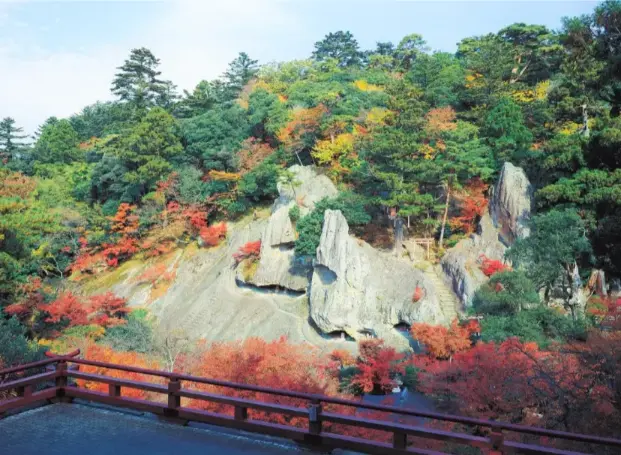
What Makes Natadera Temple Different
Located in the hills of southern Ishikawa Prefecture, Natadera Temple is not a place you visit to admire buildings alone.
It is a temple experienced by walking—through stone corridors, forest paths, and rock-cut caves shaped by nature over centuries.
Founded more than 1,300 years ago, Natadera offers a quieter, more grounded alternative to Japan’s famous urban temples.
If you value atmosphere, nature, and slow exploration, Natadera is well worth your time.
Before you go, one important tip from a local guide:
Natadera is not about seeing everything.
The experience comes from walking slowly and feeling the space.
What Is Natadera Temple?
Natadera Temple was founded in the 8th century by the monk Taichō, a key figure in early mountain Buddhism.
Unlike temples built around grand halls, Natadera developed around natural rock formations, caves, and springs, which were considered sacred long before formal buildings existed.
Today, visitors move through:
Narrow stone walkways
Natural rock caves with Buddhist statues
Forested paths integrated into the temple grounds
This close connection between nature and faith defines Natadera’s character.
What Makes Natadera Unique (Compared to Other Temples)
A Temple Built Into Nature
Rather than reshaping the land, Natadera preserves it.
Cliffs, caves, and uneven terrain are part of the experience.
A Walking Experience, Not a Viewing One
You don’t simply stand and look—you move, climb gently, pause, and continue.
Quiet, Even During Peak Seasons
Compared to Kyoto or Nara, Natadera remains calm, especially on weekday mornings.
What You’ll Actually See (and Remember)
The most memorable parts of Natadera are not single landmarks, but a sequence of spaces:
Rock corridors that narrow and open unexpectedly
Caves housing simple Buddhist figures
Elevated paths overlooking forest and stone
There is no dramatic finale—just a gradual sense of stillness as you move forward.
Best Season & Time to Visit
Best Seasons
Late spring (May–June): Fresh greenery, cool air
Autumn (November): Beautiful foliage, busier but scenic
Winter (January–February): Snow adds silence and contrast (watch your footing)
Best Time of Day
Morning (9:00–10:30) is ideal
Quieter, softer light, fewer tour groups
How Long Does It Take?
Quick walk-through: 45 minutes
Slow exploration: 60–90 minutes
👉 You don’t need half a day.
Natadera fits perfectly into a balanced one-day itinerary.
What to Wear & Practical Tips
Comfortable walking shoes (paths are uneven)
Avoid slippery soles in rain or snow
No steep hiking, but light physical effort required
Natadera is not wheelchair-friendly due to terrain.
Who Natadera Is Best For
Recommended if you:
Enjoy nature and quiet spaces
Prefer walking experiences over architecture
Want something different from famous temples
Not ideal if you:
Prefer flat, fully paved sites
Focus mainly on large buildings or museums
How to Combine Natadera with Nearby Attractions
Natadera works best as a morning destination.
Recommended flow:
Morning: Natadera Temple
Midday: Yunokuni no Mori (craft experience & lunch)
Evening: Yamashiro or Yamanaka Onsen
This sequence balances walking, hands-on activity, and relaxation.
How to Get There
From Kanazawa Station
JR Limited Express to Kaga Onsen Station
~25 minutes / approx. ¥1,200
From Kaga Onsen Station
Local bus or taxi
~15–20 minutes by taxi
FAQ
Is Natadera crowded?
Usually no, except peak autumn weekends.
Is it suitable for children?
Yes, but younger children may tire due to walking paths.
Is English available?
Limited signage, but the site is easy to navigate visually.
Final Verdict: Is Natadera Temple Worth Visiting?
Yes—if you value atmosphere over spectacle.
Natadera Temple is not a checklist destination.
It is a place to slow down, walk, and quietly experience how nature and belief have shaped each other for centuries.
If your trip to Ishikawa includes Kanazawa and hot springs,
Natadera adds depth and contrast—without rushing or crowds.
© 2024 Kanazawa Experience. Affiliate Links