Kanazawa Experience
Tips and Manners in Kanazawa: Traveling Gracefully in Japan’s Cultural City
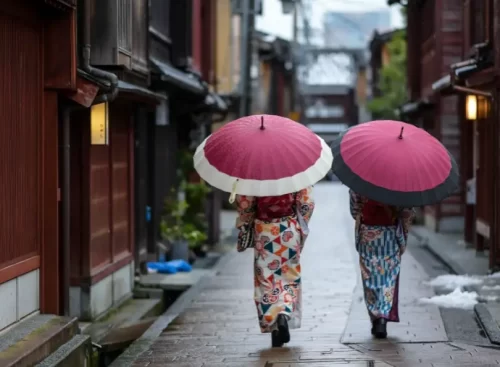
1. Introduction: The Spirit of Grace in Kanazawa
Kanazawa is a city that values quiet beauty, subtle manners, and harmony in daily life.
From its preserved samurai districts to elegant tea houses, every part of the city reflects a deep sense of respect — for people, for tradition, and for time itself.
Traveling gracefully in Kanazawa means slowing down, observing, and appreciating the details: the way tea is poured, how greetings are exchanged, and how silence can express as much as words.
By understanding a few local customs, visitors can enjoy the city more fully and connect with its refined atmosphere.
2. Respect for Heritage and Historical Districts
Kanazawa’s historic areas, such as Higashi Chaya District, Nagamachi Samurai District, and Teramachi Temple Area, are living cultural treasures.
These are not open-air museums — people still live, work, and pray here.
A respectful attitude helps preserve their charm for future generations.
When exploring these districts:
Walk quietly and avoid blocking narrow lanes.
Refrain from touching old wooden walls or private doors.
Photography is welcome in most places, but avoid taking close-up shots of residents, private homes, or geisha houses without permission.
At night, keep your voice low; locals cherish the calm after sunset.
These small acts of awareness show gratitude for the community’s effort to keep Kanazawa’s beauty alive.
3. Tea Houses and Traditional Culture Etiquette
Kanazawa is famous for its refined geisha (geiko) culture and tea ceremony traditions, which continue to this day in districts like Higashi Chaya and Nishi Chaya.
Visitors can experience this culture in various ways — from casual tea tastings to formal tea ceremonies and cultural performances.
Here are a few guidelines:
When entering a tea room, bow slightly and remove your shoes.
If you’re served tea, receive the cup with both hands and admire its design before drinking.
Avoid strong perfume or loud conversation — tea culture values simplicity and quiet appreciation.
If you attend a geisha performance, photography is often restricted; follow your host’s guidance.
The essence of Kanazawa’s traditional culture lies not in luxury, but in grace and mindfulness — appreciating each gesture, sound, and moment.
4. Dining Etiquette and Local Restaurants
Kanazawa’s dining scene blends artistry and hospitality. Whether you’re enjoying kaiseki cuisine, sushi, or a simple bowl of noodles, every meal is prepared with precision and respect for the ingredients.
To dine respectfully:
Wait until everyone is served before beginning, and say “Itadakimasu” — it expresses gratitude for the meal.
Use chopsticks carefully; do not point them at others or leave them standing upright in rice.
Avoid pouring soy sauce directly over sushi — dip lightly, fish side down.
Try to finish what you’re served; it’s a sign of appreciation for the chef.
In traditional restaurants, it’s polite to remove your shoes if there’s tatami flooring.
When leaving, a warm “Gochisousama deshita” (Thank you, it was delicious) and a small bow go a long way.
Kanazawa’s chefs take pride in quiet excellence — your respect completes their art.

5. Photography and Art Appreciation
Kanazawa is one of Japan’s most photogenic cities — a place where light, shadow, and craftsmanship come together in perfect harmony.
However, as in many cultural destinations, how you take photos is just as important as what you photograph.
When taking pictures:
Avoid using flash inside museums, galleries, and traditional tea houses.
Respect signs that prohibit photography — especially in geisha houses or artisan workshops.
In Higashi Chaya District, many buildings are private homes or working establishments. Take photos from the street without blocking entrances.
Be mindful of people’s privacy; always ask before photographing locals, especially geiko or maiko in public.
Kanazawa’s charm often lies in the details — the reflection of lantern light on wet cobblestones, the texture of lacquerware, or the quiet elegance of a tea room.
Sometimes, the best photo is the one you take only with your eyes.
6. Interacting with Locals and Artisans
Kanazawa’s people are known for their humility and quiet kindness.
Many are artisans, shopkeepers, or chefs who dedicate their lives to perfecting a single craft. A little courtesy can open doors to meaningful encounters.
Greet people with a gentle “Konnichiwa” (Hello) or “Arigatou gozaimasu” (Thank you).
When entering a small shop or gallery, offer a nod or smile before browsing.
Handle handmade items carefully — crafts here are often one-of-a-kind creations.
If you’re invited to watch an artisan at work, observe silently and avoid interrupting their concentration.
Compliments are appreciated, but modesty is valued; simple praise like “Kirei desu” (It’s beautiful) is perfect.
Many artisans speak little English but communicate through gestures and sincerity.
When you slow down, smile, and show interest, you’ll find that warmth and respect need no translation.
7. Sustainable and Mindful Travel
Kanazawa’s beauty is maintained through the care of its residents and visitors alike.
Travelers can help preserve this harmony by practicing mindful tourism — small, considerate habits that make a big difference.
Reduce waste: Carry a reusable water bottle or shopping bag.
Take your trash with you: Public bins are limited, especially in older districts.
Be quiet in temples and gardens: These spaces are for reflection as much as sightseeing.
Support local businesses: Buy directly from workshops, eat at family-run restaurants, and stay in local inns.
Respect the weather and seasons: Walk carefully on wet stone paths, and avoid entering gardens during restoration or snow preparation.
Sustainable travel in Kanazawa isn’t just about the environment — it’s about respecting rhythm: the natural pace of the city, the crafts, and the people who sustain them.
8. Useful Phrases and Final Advice
Learning a few Japanese phrases will help you connect more easily with people and show appreciation for their culture.
| English | Japanese | Pronunciation |
|---|---|---|
| Hello / Good afternoon | こんにちは | Konnichiwa |
| Thank you very much | ありがとうございます | Arigatou gozaimasu |
| Excuse me / Sorry | すみません | Sumimasen |
| It was delicious | ごちそうさまでした | Gochisousama deshita |
| Beautiful | きれいです | Kirei desu |
| Goodbye | さようなら | Sayounara |
And one last piece of advice:
Let Kanazawa guide your pace.
Walk slowly, observe quietly, and let beauty come to you instead of rushing to find it.
Because in Kanazawa, true elegance lies not in doing much — but in appreciating deeply.
© 2024 Kanazawa Experience. Affiliate Links