Kanazawa Experience
Food & Souvenirs in Kanazawa: Taste and Craftsmanship in Japan’s Artful City
1. Introduction: A City of Taste and Tradition
Kanazawa is a city where art and flavor live side by side.
From delicate traditional sweets to the elegance of kaiseki cuisine, every meal reflects the city’s deep appreciation for beauty and craftsmanship.
Centuries of samurai culture have shaped Kanazawa’s refined sense of taste.
Whether it’s a bowl of warm oden at a cozy local shop, a gold-leaf dessert glimmering under sunlight, or a sake cup handcrafted by local artisans, each experience here is a small piece of living art.
Exploring Kanazawa’s food scene is not just about eating — it’s about understanding how food, design, and hospitality come together to express harmony.
2. Local Cuisine and Must-Try Dishes
Kanazawa is often called “the kitchen of the Hokuriku region”, blessed with fresh seafood from the Sea of Japan and rich produce from the mountains.
Local cuisine here balances simplicity with elegance, always guided by the season.
Omicho Market
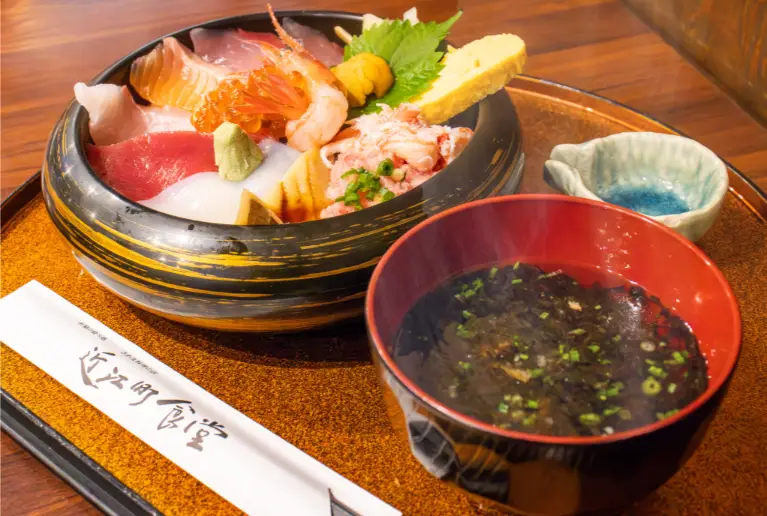
Known as the city’s “Kitchen of Kanazawa,” this lively market has been serving locals for over 280 years. Visitors can enjoy seafood rice bowls, fresh oysters, or grilled crab right on the spot.
Kanazawa Oden
A beloved winter comfort food — a variety of ingredients such as daikon radish, tofu, fish cakes, and crab legs simmered in a clear dashi broth. Each shop has its own secret soup base.
Jibuni (治部煮)
A signature local dish made of duck or chicken simmered in a soy-based broth thickened with starch, served with wheat gluten (fu) and vegetables.
It originated as a samurai family recipe and remains a symbol of Kanazawa’s hospitality.
Nodoguro (Blackthroat Seaperch)
A premium white fish grilled or served as sushi, prized for its rich, buttery flavor.
Dining in Kanazawa is a sensory journey — soft textures, balanced flavors, and presentation that feels almost like viewing a work of art.
3. Sweets and Desserts with Gold Leaf
Kanazawa produces over 99% of Japan’s gold leaf, and locals have found creative ways to turn this heritage craft into a symbol of beauty and celebration.
Gold Leaf Ice Cream
Perhaps the city’s most famous treat — a swirl of soft-serve ice cream wrapped in a full sheet of edible gold leaf. It’s light, delicate, and irresistibly photogenic.
Wagashi (Japanese Sweets)
Kanazawa has been a center of wagashi-making since the Edo period.
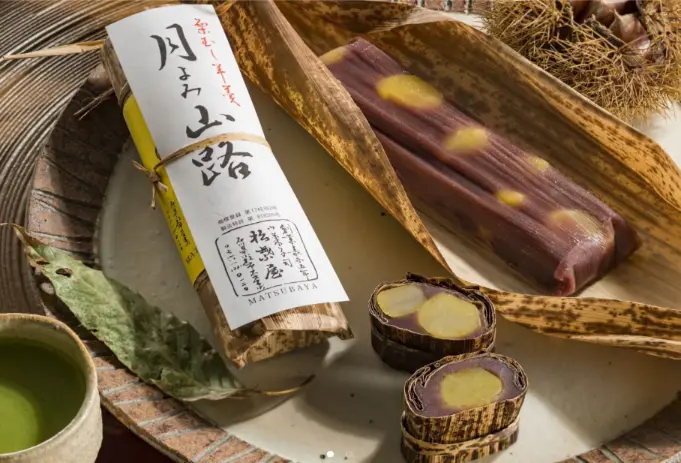
Shops like Morihachi and Yamanoo craft sweets shaped after seasonal flowers, made from sweet bean paste and rice flour. These are often enjoyed with matcha tea in tea houses around Higashi Chaya District.
Modern Confections
Patisseries and cafés across the city now blend traditional ingredients with French or modern designs — matcha mousse cakes, yuzu tarts, and even gold-dusted chocolates.
In Kanazawa, sweets are more than dessert — they’re a reflection of the city’s identity, where art, taste, and elegance meet.
4. Sake and Local Drinks
The secret behind Kanazawa’s refined flavors lies in its pure spring water, drawn from the snowmelt of Mount Hakusan.
This soft, mineral-rich water is perfect for brewing sake and making traditional drinks.
Fukumitsuya (福光屋)
Founded in 1625, this is Kanazawa’s oldest sake brewery. It produces smooth, aromatic sakes using 100% natural rice fermentation. Visitors can tour the brewery or enjoy tastings paired with light snacks.
Yachiya Shuzou (やちや酒造)
Located near the Saigawa River, this family-run brewery offers rich, full-bodied sakes that pair perfectly with local dishes like Jibuni and sashimi.
Kanazawa Craft Beer and Cider
Microbreweries are thriving in the city, using regional ingredients such as yuzu and rice. Look for local labels at bars or at the station’s souvenir shops.
Green Tea and Soft Drinks
Tea culture remains strong — many cafés serve matcha or roasted green tea (hojicha) alongside wagashi.
Kanazawa’s version of hospitality is as much about offering a warm drink as it is about sharing conversation.
Bringing home a bottle of Kanazawa sake or a set of local teas makes for a meaningful souvenir — a taste of the city’s refinement and care.
5. Souvenirs from Kanazawa’s Markets and Shops
Kanazawa’s souvenirs are as elegant and refined as its cuisine.
Each one tells a story — of craftsmanship, nature, and a city that values both form and spirit.
Omicho Market
Beyond fresh seafood, the market is also a great place to find packaged local foods like dried fish, miso, and pickled vegetables.
Many shops offer vacuum-sealed products perfect for travel.
Kanazawa Station (Hyakubangai Mall)
Right inside the station, this shopping complex gathers the city’s best specialty stores under one roof.
You can find local sake, gold-leaf cosmetics, confectioneries, and beautiful packaging that makes perfect gifts.
Higashi Chaya District
Small artisan shops line the historic lanes, selling handmade accessories, tea sets, and gold-leaf souvenirs.
Buying directly from these shops supports local craftspeople and lets you feel the warmth of traditional hospitality.
Whether it’s food, art, or daily goods, each souvenir from Kanazawa carries a touch of the city’s grace and craftsmanship.
6. Traditional Crafts as Memorable Gifts
Kanazawa has been a center of fine craftsmanship since the Edo period.
The city’s artisans were once supported by the Maeda samurai clan, who believed that art and beauty were essential to life.
Today, these traditions continue in beautifully made crafts that serve as both souvenirs and works of art.
Gold Leaf Art (Kinpaku)
Used to decorate everything from chopsticks to entire temple ceilings, gold leaf is Kanazawa’s signature craft.
Workshops let visitors try applying gold leaf to small objects — a memorable hands-on experience.
Kutani Ware (Kutani-yaki)
Colorful porcelain characterized by bold patterns and detailed brushwork.
Small plates, teacups, and ornaments are easy to bring home and add elegance to any table.
Kaga Yuzen Dyeing
Silk fabrics hand-painted with intricate floral designs, originally made for kimono.
Modern artisans also create scarves, pouches, and framed art pieces using this technique.
Lacquerware and Wooden Crafts
Simple yet refined, lacquered trays, bowls, and chopsticks are beautiful examples of Kanazawa’s sense of balance and understatement.
Each craft reflects the city’s philosophy — beauty in everyday life, harmony between nature and human hands.
7. Where to Eat and Shop
Kanazawa is compact and easy to explore on foot, making it perfect for a food-and-shopping stroll.
Here are some of the best areas to enjoy both:
Omicho Market – For fresh seafood breakfasts and local snacks.
Enjoy sushi or donburi on the second floor, then browse the market stalls for packaged gifts.
Higashi Chaya District – Ideal for afternoon tea and souvenir shopping.
Try matcha and sweets at a teahouse, then visit small boutiques selling gold-leaf items and crafts.
Korinbo and Kata-machi – The city’s modern shopping zones, featuring department stores, cafés, and design shops.
Good for fashion, homeware, and contemporary Japanese goods.
Kanazawa Station Area – Perfect for last-minute shopping before your train.
You’ll find everything from sake and wagashi to regional crafts at the Hyakubangai Anto mall.
Take your time — Kanazawa rewards slow discovery.
Every corner hides a small café, a craftsman’s studio, or a scent of freshly grilled fish waiting to be found.
8. Tips for Choosing and Bringing Home Kanazawa Gifts
Before you leave Kanazawa, here are some helpful tips for making your souvenirs last:
Check freshness dates. Seafood and sweets are best enjoyed soon; sake and crafts travel well.
Pack carefully. Gold-leaf items and ceramics should be wrapped securely; ask shops for travel-safe boxes.
Shop early in your trip. Some workshops and small stores close by 5 p.m.
Mix flavors and crafts. A small box of wagashi paired with a Kutani plate or gold-leaf chopsticks makes a thoughtful, elegant gift.
Avoid airport-only shopping. The best finds are always in local markets or small artisan studios.
Kanazawa’s souvenirs are more than things to bring home — they’re quiet reminders of the city’s spirit: refined, artistic, and full of heart.
© 2024 Kanazawa Experience. Affiliate Links