Kanazawa Experience
Tips and Manners in Kaga: Travel Gracefully Through Japan’s Onsen and Art Towns
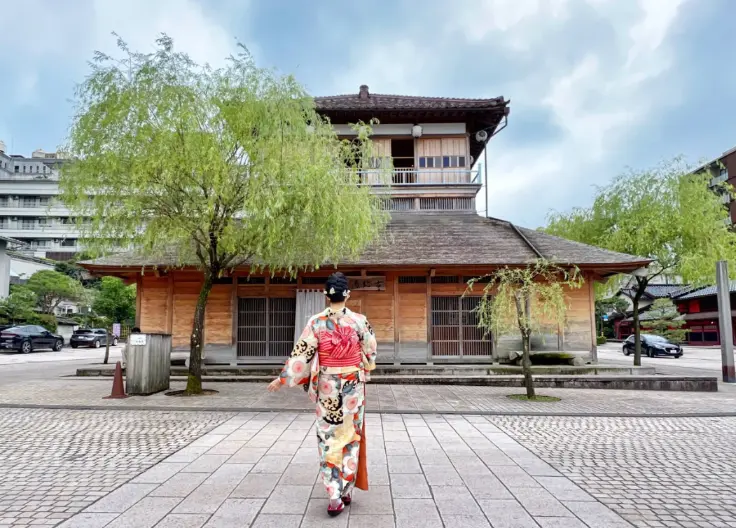
1. Introduction: The Spirit of Graceful Travel
Kaga is a place where quietness, beauty, and respect shape every experience.
Nestled among mountains and rivers, its hot spring towns and craft villages invite travelers not only to see Japan — but to feel it.
To truly enjoy Kaga, one must travel with a gentle heart.
This is a region that values harmony with others, appreciation for craftsmanship, and care for nature.
Here, “manners” are not strict rules but acts of mindfulness — small gestures that show gratitude for being part of something timeless.
The following tips will help you move through Kaga gracefully, connecting with its people and traditions in a meaningful way.
2. Respecting the Onsen Culture
Bathing in an onsen (hot spring) is one of Japan’s purest rituals of relaxation — and in Kaga, it is treated with quiet reverence.
To locals, the bath is not only for cleansing the body but for clearing the mind.
♨ Basic Onsen Etiquette
Wash Before Entering: Always rinse and clean yourself thoroughly at the washing area before stepping into the bath.
Swimwear Is Not Used: Onsen baths are enjoyed nude. Bring a small towel to use outside the water only.
Quiet Reflection: Avoid loud talking or splashing. The bath is a space of stillness and calm.
Photography Is Not Allowed: Out of respect for others’ privacy, cameras and phones should stay outside the bathing area.
After your bath, dry off before leaving the changing room and enjoy a bottle of cold milk or tea — a beloved Japanese tradition.
By following these customs, you honor the spirit of the onsen and the generations who have cared for these healing waters.
3. Visiting Temples, Museums, and Craft Studios
Kaga is rich in history and art — from Daishoji Temple’s quiet gardens to the elegant workshops of Kutani pottery and Yamanaka lacquerware.
Each place invites visitors to enter with curiosity and humility.
🏯 Cultural Etiquette
At Temples and Shrines: Bow lightly at the gate before entering. Walk quietly, and avoid standing directly in front of those praying.
In Museums and Galleries: Photography may be restricted; always check signs or ask politely.
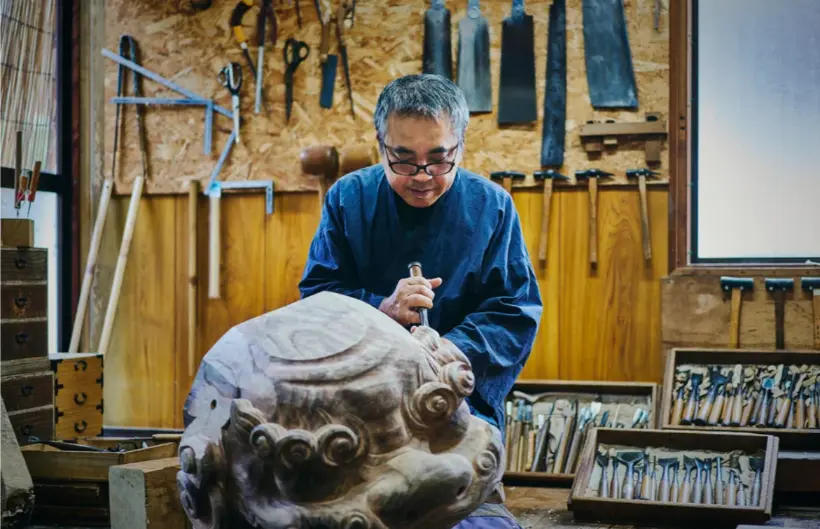
At Craft Studios: Greet artisans with a smile and a small bow. Observe their work with appreciation — their skill is often passed down through generations.
Many artisans are happy to explain their techniques in simple English or gestures. A sincere “Arigatou gozaimasu” (thank you very much) goes a long way in building a warm connection.
When visiting these places, remember that you are not only a traveler — you are a guest in a living cultural tradition.
4. Dining and Tea Etiquette
Meals in Kaga are expressions of care, artistry, and respect for nature.
Whether you dine in a ryokan, a local restaurant, or a teahouse, the atmosphere encourages mindfulness and gratitude.
🍱 At the Table
Begin with “Itadakimasu”: This phrase means “I humbly receive” and expresses gratitude for the food and those who prepared it.
Chopstick Manners: Avoid pointing with chopsticks, sticking them upright in rice, or passing food from chopstick to chopstick — these gestures are linked to funerary customs.
Finish What You Take: Taking small portions and finishing them is a sign of respect for the ingredients and the chef.
Silence and Appreciation: It’s fine to speak quietly, but savoring each bite in silence shows appreciation for the chef’s effort and the meal’s balance.
🍵 The Tea Moment
After meals, tea is often served — sometimes roasted Kaga Bōcha, known for its gentle aroma.
Hold the cup with both hands, take a moment to breathe in the scent, and sip slowly.
In Kaga, food and tea are not rushed — they are acts of gratitude, linking the diner, the land, and the season together in one moment of peace.
5. Shopping and Interaction with Locals
Shopping in Kaga is a gentle exchange — not just of goods, but of warmth.
From small confectionery shops to pottery studios, every encounter carries the quiet sincerity of the people who live here.
🛍 Simple Courtesies
Greet Before You Browse: A friendly “Konnichiwa” or “Sumimasen” (excuse me) is always appreciated when entering a store.
Handle Items Carefully: When examining crafts or sweets, hold them gently and return them to their place neatly.
Cash and Cards: Many small shops prefer cash; offer it with both hands as a sign of respect.
Try Before You Buy: If offered a sample, taste it gratefully and thank the shopkeeper. Even a small purchase or kind word creates a good memory for both sides.
Artisans and shop owners in Kaga take deep pride in their work.
When you show interest in their craft — even just by asking “Handmade?” or “Local?” — it honors their effort and keeps their traditions alive.
6. Walking and Staying in Onsen Towns
The charm of Kaga’s onsen towns lies in their calm rhythm — the sound of geta sandals on stone streets, the soft glow of lanterns, and the scent of steam rising into the night air.
🚶♀️ While Walking in Yukata
It is perfectly fine to stroll in your yukata robe and slippers — this is part of the onsen experience.
Walk slowly and quietly, enjoying the sound of your steps and the cool evening air.
Greet others with a small nod or smile — it reflects the relaxed spirit of Kaga.
🌙 Evening and Public Spaces
Keep voices low when walking at night; locals value the stillness after dark.
Avoid eating while walking, and dispose of trash properly — bins are limited in many areas.
Smoking is restricted to designated areas only.
These small acts preserve the peace that makes Kaga’s hot spring towns so enchanting.
7. Seasonal Awareness and Sustainable Travel
Kaga changes beautifully with the seasons — from snowy winters to golden autumns and lush green summers.
Traveling here means adapting to nature’s rhythm and treating it with care.
🌸 In Spring and Summer
Bring a reusable bottle; tap water is safe and delicious.
Stay hydrated and use eco-friendly sunscreen when hiking or exploring.
🍁 In Autumn and Winter
Wear non-slip shoes in snowy months; roads can be icy, especially near onsen areas.
Choose accommodations that value local sourcing and energy-saving practices — many ryokans now promote eco-friendly travel.
🌿 Respect for Nature
Do not pick wild plants or flowers, and avoid entering restricted forest areas.
When visiting rivers or gorges like Kakusenkei, keep to the walking paths and leave only footprints behind.
Kaga teaches travelers to travel lightly and gratefully — to take beauty in, not take it away.
8. Travel with Gratitude and Mindfulness
The most important manner in Kaga is not written on any sign — it is the attitude of gratitude.
When you smile at a shopkeeper, bow to a ryokan host, or say “Arigatou” to a driver, you become part of the quiet harmony that defines this land.
Respect here is not demanded; it is shared.
To travel mindfully in Kaga means to notice the small things — the pattern of a teacup, the reflection of lantern light on water, the kindness of strangers.
Each gesture, each step, each word can carry peace.
And when you leave, you realize that Kaga’s most lasting gift is not what you bought or saw —
but how it made you feel: calm, connected, and thankful.
© 2024 Kanazawa Experience. Affiliate Links