Kanazawa Experience
Staying Overnight in Kaga: Experience Japan’s Refined Onsen Hospitality
1. Introduction: The Art of Staying in Kaga
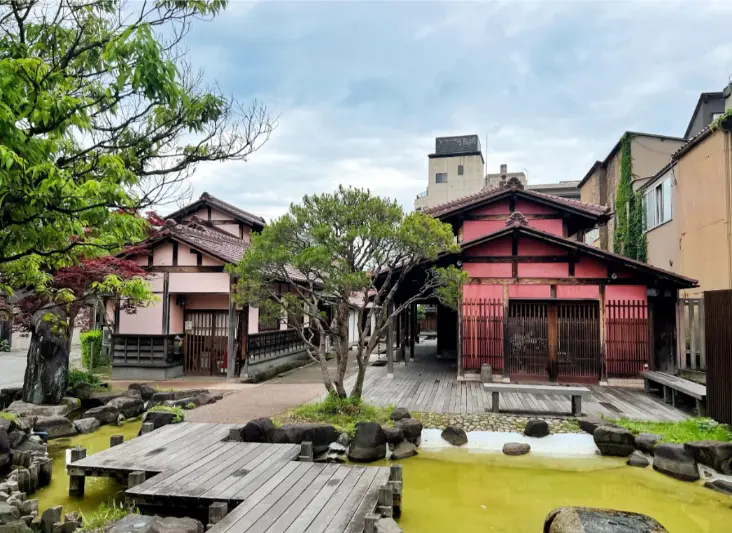
To stay overnight in Kaga is to experience the quiet heart of Japanese hospitality.
Here, a ryokan stay is not just accommodation — it is an immersion into art, nature, and time-honored culture.
The moment you step inside, the rhythm of life slows down.
Slippers replace shoes, tatami softens your steps, and the scent of hinoki wood and green tea fills the air.
This calm, deliberate atmosphere reflects what the Japanese call omotenashi — hospitality expressed through sincerity and detail.
In Kaga’s onsen towns — Yamashiro, Yamanaka, and Katayamazu — every ryokan is unique, yet all share a common essence:
a sense of refinement, a respect for tradition, and a gentle invitation to rest.
2. The Essence of Kaga’s Ryokan Culture
The ryokans of Kaga are among Japan’s most graceful.
Many were founded centuries ago, serving poets, samurai, and artists who sought retreat in the region’s natural hot springs.
Even today, these inns preserve the architecture, etiquette, and spirit of that era.
Guests are welcomed with warm smiles, seasonal sweets, and tea — not as customers, but as honored visitors.
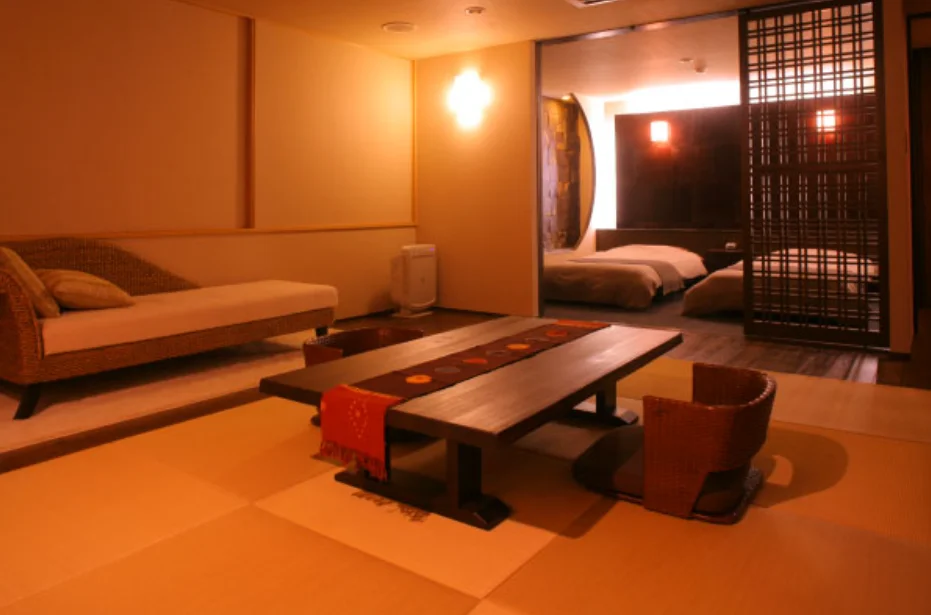
Rooms are designed in the sukiya-zukuri style, with tatami floors, sliding paper doors, and minimal decoration that highlights the beauty of simplicity.
At night, the only sounds are the murmur of the river and the rustle of wind in the pines.
The experience is meditative — a reminder that true luxury in Japan is found not in excess, but in peace and attention to detail.
3. Yamashiro, Yamanaka, and Katayamazu – Each with Its Own Character
Kaga’s three hot spring towns form a perfect triangle of experiences — each with a distinct personality and charm.
♨ Yamashiro Onsen:
Elegant and historical, Yamashiro has long been known as the cultural heart of the region.
Its central Soyu public bath has been a gathering place since the Edo era.
Nearby streets are lined with galleries, Kutani pottery studios, and tea houses — ideal for travelers who appreciate art and tradition.
🌿 Yamanaka Onsen:
Tucked into a forested valley along the Daishoji River, Yamanaka is poetic and serene.
The town’s famous Kakusenkei Gorge offers breathtaking walks, especially in autumn.
Its ryokans emphasize tranquility, fine cuisine, and outdoor baths that blend seamlessly with nature.
💧 Katayamazu Onsen:
Facing Lake Shibayama, Katayamazu combines onsen relaxation with open views of water and sky.
Modern hotels and classic inns coexist here, offering spectacular sunsets and convenient access for travelers coming by train or car.
Together, these towns represent the three moods of Kaga — art, nature, and reflection — each inviting you to stay, breathe, and rediscover balance.
4. Hot Spring Baths and Healing Traditions
Hot springs are the soul of Kaga.
For over 1,300 years, people have come to these waters seeking healing, warmth, and renewal.
Each onsen has its own mineral composition — said to soothe muscles, improve circulation, and calm the mind.
🛁 Bathing Experience
A ryokan stay always includes access to its baths, often both indoor and open-air (rotenburo).
Evening soaks are deeply relaxing, but early mornings are magical — steam rising into cool mountain air as birds call from the trees.
🌸 Onsen Etiquette
Bathing in Japan follows a few simple customs:
Wash thoroughly before entering the shared bath.
Enter the water slowly and quietly — it’s a space for peace, not conversation.
Towels stay outside or on the head, never in the water.
Many ryokans also offer private family baths (kashikiri onsen) — ideal for couples or those new to the tradition.
In Kaga, bathing is not only about the body — it is a form of mindfulness, a way to let go of hurry and return to stillness.
When you emerge, wrapped in a yukata robe, time itself feels different — softer, slower, and beautifully human.
5. Dining: Kaiseki Cuisine and Local Ingredients
A stay in Kaga would not be complete without experiencing kaiseki — Japan’s highest form of seasonal cuisine.
At a Kaga ryokan, dinner is not just a meal but a performance of artistry, timing, and respect for nature.
🍱 Seasonal Harmony
Each dish is prepared with ingredients from nearby seas, rivers, and mountains:
Kaga vegetables — heirloom varieties grown in rich local soil.
Seafood from the Sea of Japan — especially sweet snow crab in winter.
Mountain herbs and mushrooms — foraged fresh each morning.
Dishes are served one by one, often on hand-painted Kutani porcelain or lacquerware made in Yamanaka.
The visual presentation is as important as flavor — colors, textures, and shapes reflect the current season.
Breakfast, too, is a quiet celebration: grilled fish, miso soup, rice, pickles, and tea served with the morning light filtering through shoji screens.
Each meal reminds you that hospitality in Kaga is not rushed — it’s served slowly, with care and intention.
6. Design and Atmosphere – Blending Past and Present
Kaga’s ryokans embody a delicate balance between tradition and modern comfort.
While many inns preserve Edo-period architecture — wooden beams, tatami rooms, paper lanterns — others reinterpret this heritage with minimalist design, soft lighting, and open spaces.
🏯 Traditional Elegance
Historic inns such as those in Yamashiro and Yamanaka feature courtyards with moss gardens, koi ponds, and private teahouses.
Every element — from stone pathways to calligraphy scrolls — is chosen to calm the senses.
✨ Modern Refinement
Newer ryokans and boutique hotels blend glass, wood, and natural light to create serene interiors that feel both Japanese and timeless.
Local artisans collaborate with architects, ensuring every detail — furniture, pottery, even lamps — tells a story of Kaga craftsmanship.
This fusion of past and present makes a night in Kaga more than accommodation; it’s a living gallery of design, nature, and hospitality.
7. How to Book and What to Expect
Booking a ryokan in Kaga is easy, and many properties now offer English support through major platforms or their own websites.
🗓 How to Book:
Book 1–2 months in advance, especially in autumn and winter (high seasons).
Most ryokans include dinner and breakfast (half board).
Contact the inn directly if you have dietary needs — they often adapt menus with grace.
💰 Price Range:
Standard ryokan: ¥20,000–30,000 per person (with meals)
Luxury ryokan: ¥40,000–60,000 per person or more
Budget-friendly inns and small guesthouses are also available around Kagaonsen Station.
🧳 What to Expect:
Rooms feature yukata robes, tea sets, and futon bedding prepared after dinner.
Check-in: usually 3:00–5:00 PM / Check-out: around 10:00 AM
Wi-Fi is common, but the atmosphere encourages disconnecting from screens and reconnecting with yourself.
Travelers are encouraged to arrive early, soak in the onsen before dinner, and enjoy the rhythm of Japanese-style hospitality at its finest.
8. A Night in Kaga: More Than Rest, a Cultural Memory
As night falls, lanterns flicker along the streets, and the air fills with the scent of pine and hot spring steam.
Inside your ryokan, you slip into a yukata, sip warm tea, and listen to the quiet sound of flowing water.
In that stillness, you understand something essential — staying in Kaga is not about luxury or sightseeing.
It is about presence — being fully here, in this moment, surrounded by beauty shaped by centuries of care.
When you wake to the morning mist over the garden, you carry that feeling with you —
a sense of peace, gratitude, and the timeless art of Japanese hospitality.
To stay overnight in Kaga is to experience what Japan does best:
turning simplicity into elegance, and rest into remembrance.
© 2024 Kanazawa Experience. Affiliate Links