Kanazawa Experience
History and Cultural Heritage of Kaga: The Legacy of Art, Onsen, and the Spirit of a Million Koku
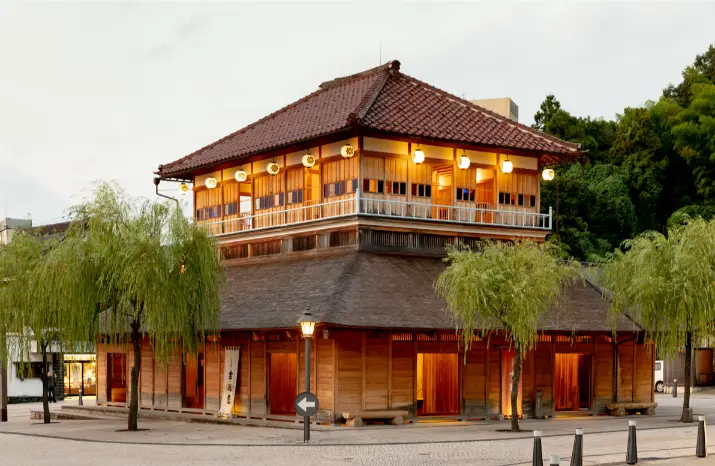
1. Introduction: The Spirit of Kaga – Land of Refinement and Tradition
Nestled between the mountains of Hakusan and the Sea of Japan, the Kaga region is a place where history, artistry, and tranquility blend seamlessly.
Once part of the powerful Kaga Domain, this area flourished under samurai culture — but unlike Edo or Kyoto, its legacy is quieter, more introspective, and deeply tied to nature.
Visitors to Kaga often notice something subtle: a sense of balance.
In the steam of its hot springs, the glow of its lacquerware, and the calm rhythm of its gardens, there lies a distinct spirit of refinement that the Japanese call miyabi — elegance born from simplicity.
Kaga is not just a destination; it is a living heritage — a place where time moves slowly and beauty is found in every gesture.
2. The Kaga Domain: A Legacy of a Million Koku
In Japan’s feudal era, the Kaga Domain (Kaga Han) was one of the richest and most powerful regions in the country.
Governed by the Maeda family, it earned the nickname “Hyakumangoku no kuni” — “The Land of a Million Koku,” referring to its vast rice wealth.
Unlike many feudal lords who spent their resources on war, the Maeda clan invested in culture, education, and craftsmanship.
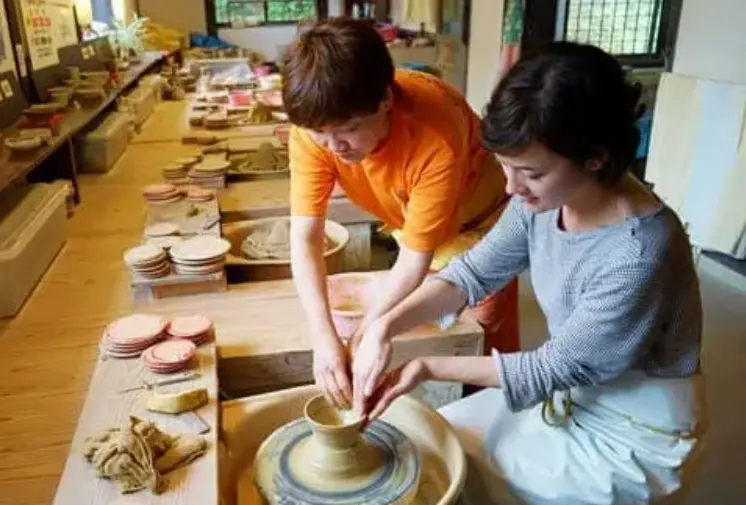
They built schools, invited scholars, and supported artisans in pottery, lacquer, and metalwork.
This prosperity allowed art to flourish even in remote mountain towns.
Kaga became known not for battles, but for beauty — a domain that expressed power through artistic sophistication rather than conquest.
Today, this legacy lives on in the region’s architecture, crafts, and people’s quiet pride in their cultural roots.
3. The Rise of Arts and Crafts
Under the Maeda lords’ patronage, the Kaga region became one of Japan’s most creative centers.
Its artisans developed unique styles that still define Japanese aesthetics today.
🎨 Kutani Ware (Kutani-yaki)
Vibrant porcelain known for its bold colors — deep green, cobalt blue, purple, yellow, and red — painted with intricate detail.
Each piece is like a painting, expressing nature, myth, and poetic imagination.
🪵 Yamanaka Lacquerware (Yamanaka Shikki)
Produced in mountain towns near Kaga’s hot-spring areas, this craft is prized for its elegant curves and silky finish.
Artisans use hand-turning techniques passed down for centuries, polishing each layer by hand until it glows.
✨ Metalwork and Gold Leaf
While Kanazawa became the heart of gold leaf production, Kaga shared this spirit of precision and perfection — applying these techniques to local crafts and temple decorations.
These arts were not luxuries; they were part of daily life.
Even a teacup or soup bowl was designed to reflect harmony between form, texture, and emotion — a philosophy that still defines Kaga’s craftsmanship today.
4. The Way of Tea and the Spirit of Harmony
The tea ceremony (chanoyu) has long been a cornerstone of Kaga’s cultural identity.
Influenced by Kyoto’s wabi-sabi aesthetics, Kaga’s interpretation of tea culture is known for its balance between simplicity and grace.
During the Edo period, the Maeda family promoted tea as a form of education and self-discipline.
Noble families built chashitsu (tea houses) and gardens designed to cultivate inner calm — not display wealth.
Even today, visitors can experience this legacy in local tea houses and gardens such as Kutani Kosen-en or Yamanaka’s Kakusenkei Park, where tea is served overlooking rivers and cedar forests.
In Kaga, tea is more than a beverage; it is a way to pause, observe, and appreciate the present moment — a quiet dialogue between host, guest, and nature.
The same sensibility flows through all aspects of Kaga life — from the architecture of its ryokans to the way craftsmen polish their lacquerware.
It is this spirit of harmony that gives Kaga its timeless elegance.
5. Hot Springs and Healing Culture
Few regions in Japan embody the onsen spirit like Kaga.
The area is home to the Kaga Three Hot Springs — Yamashiro, Yamanaka, and Katayamazu Onsen — each with its own history and personality.
♨ Yamashiro Onsen
Known as a retreat for scholars and artists, Yamashiro has been a sanctuary for centuries.
The poet Matsuo Bashō stayed here during his journey through the north, finding inspiration in the quiet steam and the hospitality of local inns.
🌿 Yamanaka Onsen
Set in a deep forest valley carved by the Daishoji River, this onsen is surrounded by cedar trees and walking paths.
Its rotenburo (outdoor baths) overlook the scenic Kakusenkei Gorge, offering both relaxation and reflection.
💧 Katayamazu Onsen
Facing Lake Shibayama, this modern resort area blends traditional hospitality with contemporary design.
Visitors can watch the sunset over the water while soaking in mineral-rich hot springs — a harmony of nature and comfort.
For locals, bathing is not merely physical cleansing; it is a ritual of the soul — a way to return to balance with the world.
In Kaga, hot springs are healing, cultural, and deeply spiritual.
6. Faith, Nature, and the Sacred Landscape
The heart of Kaga’s identity is its connection to nature — and nowhere is this clearer than in its ancient faith.
The people of Kaga, like their neighbors in Hakusan, have long worshipped Mount Hakusan, one of Japan’s three sacred peaks.
Pilgrimages once connected the sea, the plains, and the mountains through Hakusan faith, uniting fishermen, farmers, and monks under one belief:
that the divine resides not above us, but within nature itself.
Shrines such as Natadera Temple, founded over 1,300 years ago, embody this reverence.
Built among cliffs and forests, the temple blends into its surroundings — symbolizing the unity of stone, tree, and spirit.
In Kaga, religion is quiet and organic.
It does not seek grandeur; it teaches humility — the understanding that beauty and holiness are found in the living landscape itself.
7. Kaga in the Modern Era
As Japan entered the modern age, Kaga faced the challenge of preserving its traditions while embracing change.
Factories replaced feudal estates, and tourism slowly replaced trade.
Yet through all transformations, the region’s artistic DNA endured.
Craftsmen adapted — merging centuries-old skills with modern design.
Kutani porcelain now features minimalist patterns; Yamanaka lacquerware has evolved into fine dining and contemporary interior products.
Traditional ryokans reinvented themselves as boutique inns, offering travelers immersive experiences in craft, cuisine, and calm.
Kaga also became a hub for cultural exchange, connecting local artisans with international visitors who appreciate authenticity.
It is not a place frozen in time, but a living workshop — where innovation and heritage walk hand in hand.
8. Why Kaga Matters Today
In an age of speed and convenience, Kaga reminds us of the value of slowness, care, and connection.
Here, beauty is not loud — it whispers through the sound of flowing water, the shine of lacquer, the gesture of a tea host.
Kaga’s true gift is its philosophy:
that everyday life, when done with attention and sincerity, becomes art.
This belief continues to shape how locals cook, craft, and welcome travelers.
Visiting Kaga is not only about seeing — it is about feeling.
It’s about sensing the warmth of hot spring steam on your skin, hearing the silence of a cedar grove, or watching a potter’s steady hands.
To walk through Kaga is to experience Japan’s soul at its most human scale —
where history is alive, and elegance is found in every ordinary moment.
© 2024 Kanazawa Experience. Affiliate Links