Kanazawa Experience
Tips and Manners in Hakusan: Traveling Respectfully in Japan’s Sacred Mountain Region
1. Introduction: Why Manners Matter in Hakusan
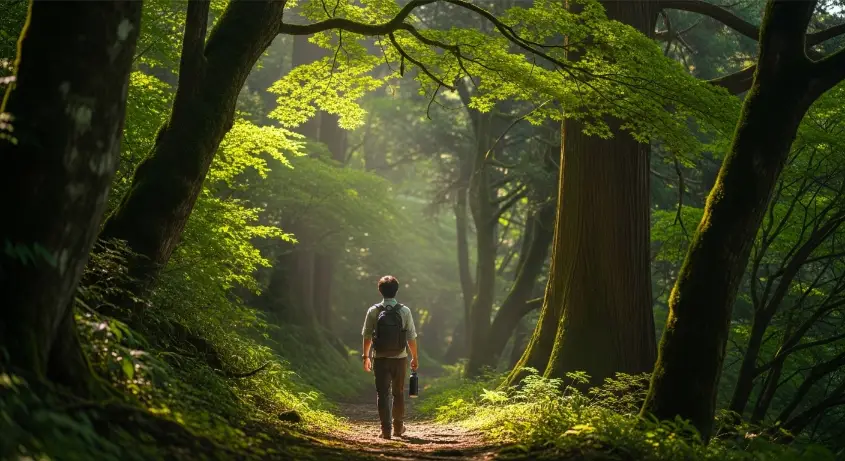
Hakusan is not only a place of scenic beauty — it is a sacred mountain region where nature, faith, and daily life have been connected for centuries.
Here, people live with deep respect for the seasons, the forests, and the pure water that flows from the peaks.
When you travel through Hakusan, understanding a few simple manners allows you to experience the area more meaningfully.
These are not strict rules, but gestures of appreciation — ways to honor the people and nature that welcome you.
By following them, you become part of the calm rhythm that defines this special corner of Japan.
2. Respect for Nature and Sacred Places
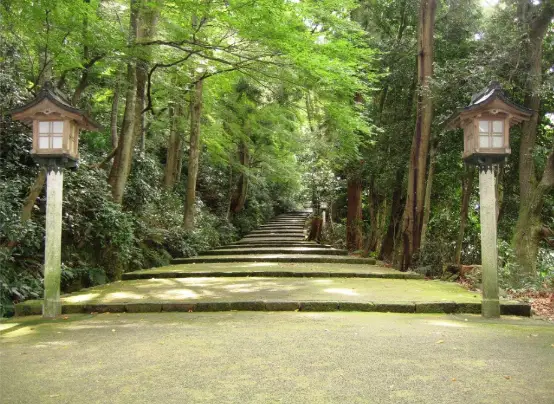
Mount Hakusan has been worshipped since ancient times as one of Japan’s three sacred mountains.
Even today, shrines such as Shirayama Hime Shrine in Tsurugi serve as gateways to the mountain’s spiritual world.
When visiting these sacred places:
Walk quietly and avoid loud voices.
Do not enter areas marked as restricted or sacred.
Refrain from touching old trees, stone markers, or small offerings left by others.
If you take photos, do so respectfully — avoid blocking paths or disturbing prayers.
On hiking trails or scenic roads, the same spirit applies.
Take only photos, leave no trash, and stay on the paths.
In Hakusan, nature is not just scenery — it is something to be respected, protected, and thanked.
3. Hot Springs and Public Bath Etiquette
A visit to Hakusan’s hot springs, such as Ichirino Onsen or Shiramine Onsen, is one of the best ways to relax after exploring the mountains.
These baths are places of healing, but also of quiet harmony — where proper manners ensure everyone can enjoy them comfortably.
Before entering the bath:
Wash your body thoroughly at the shower area.
Do not bring towels or soap into the tub.
Keep your voice low and avoid splashing.
Tattoos are generally accepted in most local onsen, but if you’re unsure, ask politely at the entrance.
After bathing, dry yourself before leaving the bath area, so you don’t drip water into the changing room.
You’ll notice that many Japanese guests move slowly and quietly — this calmness is part of the culture of relaxation.
4. Dining Etiquette and Local Food Customs
Meals in Hakusan are not only about flavor, but also about gratitude — for the water, the farmers, and the mountains that provide the ingredients.
When dining in local ryokan or restaurants:
Wait until everyone is served, and say “Itadakimasu” (meaning “I humbly receive”) before eating.
Use chopsticks gently; never stick them upright in rice or pass food from one pair of chopsticks to another.
Try to finish what you are served — leaving little behind is considered polite.
If you’re unsure how to eat something, feel free to ask; the staff will be happy to explain.
In smaller villages, meals are often homemade and served with pride.
A simple “Thank you, it was delicious” — or in Japanese, “Gochisousama deshita” — will always bring a warm smile.
5. Driving and Parking Tips for Visitors
Hakusan’s mountain roads — including the Hakusan–Shirakawa-go White Road — offer breathtaking views, but they also require care and patience.
Driving here is part of the adventure, and following a few local manners makes the trip safer and smoother for everyone.
Drive slowly and carefully. Curves and narrow roads are common, especially near viewpoints.
Use pull-outs to let faster cars pass, and always wave a friendly thank-you.
Avoid sudden stops on scenic routes for photos — use designated parking areas or viewpoints.
Never litter or leave food scraps. Wildlife can be attracted to human food, which harms the ecosystem.
Check weather conditions. In autumn, fog and early snow may appear suddenly at higher altitudes.
By driving mindfully, you not only stay safe but also help preserve Hakusan’s tranquil environment — where the sound of rivers and wind still takes priority over engines.
6. Interacting with Locals
The people of Hakusan are known for their quiet kindness and humility.
Most residents live in small villages where life follows the seasons, and visitors are warmly welcomed when they show curiosity and respect.
Greet people with a smile. Even a simple “Hello” or “Konnichiwa” goes a long way.
Ask before taking photos, especially of people, shrines, or private homes.
Speak gently — volume matters more than vocabulary. Calm voices are appreciated.
Be patient with English. Many locals may not speak it fluently but are happy to help through gestures or smiles.
If someone offers you tea or sweets, it’s a gesture of hospitality.
Take a moment to sit, chat, and enjoy — these small encounters often become the most memorable part of the journey.
7. Sustainable and Responsible Travel
Hakusan’s beauty depends on balance — between people and nature.
Travelers can easily contribute to this balance by making small, mindful choices.
Use refillable water bottles instead of single-use plastic. Hakusan’s spring water is safe and delicious.
Bring a reusable shopping bag when buying souvenirs or groceries.
Support local businesses, such as small inns, cafés, and craft shops — your spending directly supports the community.
Dispose of waste properly. Garbage bins are rare in rural areas; carry your trash until you find one.
Stay on marked paths when hiking or visiting natural sites to avoid damaging fragile plants.
Responsible travel in Hakusan means leaving things as beautiful as you found them — so future visitors can feel the same peace you did.
8. Useful Phrases and Final Advice
Learning a few basic Japanese phrases helps you connect with local people and shows appreciation for their culture.
| English | Japanese | Pronunciation |
|---|---|---|
| Hello / Good afternoon | こんにちは | Konnichiwa |
| Thank you very much | ありがとうございます | Arigatou gozaimasu |
| Excuse me / Sorry | すみません | Sumimasen |
| It was delicious | ごちそうさまでした | Gochisousama deshita |
| Goodbye | さようなら | Sayounara |
When you say these words sincerely, you’re not just communicating — you’re sharing warmth.
As you travel through Hakusan, remember: the best souvenir is often the feeling of harmony you experience — with the land, the people, and yourself.
That quiet respect is the heart of Hakusan’s spirit.
© 2024 Kanazawa Experience. Affiliate Links