Kanazawa Experience
Staying Overnight in Hakusan: Mountain Inns, Hot Springs, and Local Hospitality
1. Introduction: A Night in the Foothills of Mount Hakusan
Spending a night in the foothills of Mount Hakusan is a chance to experience Japan’s countryside at its most peaceful.
Just an hour from Kanazawa, the air becomes cooler, the stars brighter, and the rhythm of life slower. Here, you can fall asleep to the sound of rivers flowing from the sacred mountain and wake to the scent of cedar forests and fresh mountain air.
Staying overnight in Hakusan is not only about comfort—it’s about connection. Whether you choose a traditional onsen ryokan, a friendly guesthouse, or a cozy village inn, each offers a glimpse into the daily life of people who have lived alongside this sacred landscape for centuries.
This quiet region invites travelers to pause, reflect, and rediscover Japan’s timeless charm—away from the crowds, yet rich in warmth and authenticity.
2. Where to Stay: Overview of the Hakusan Area
The Hakusan region offers several distinct areas for overnight stays, each with its own atmosphere and attractions.
Tsurugi Town (鶴来)
The gateway to Hakusan. Convenient for travelers coming from Kanazawa by train or car. Small inns and local hotels make this a good base for short trips to Shirayama Hime Shrine and the Tedorigawa River area.
Ichirino Onsen (一里野温泉)
Nestled deep in the mountains, Ichirino Onsen is famous for its hot springs, ski slopes, and peaceful lodges. Most accommodations are ryokan-style, offering natural baths, tatami rooms, and hearty mountain meals. It’s a great place to relax after outdoor activities such as cycling or hiking.
Shiramine Village (白峰)
Further into the valley lies Shiramine, a beautifully preserved village known for its traditional houses and quiet streets. Many of its inns and guesthouses are family-run, providing a homely atmosphere and deep cultural charm.
Each area reflects a different face of Hakusan—modern, natural, and traditional—allowing travelers to choose according to their pace and interests.
3. Onsen Ryokan Experience
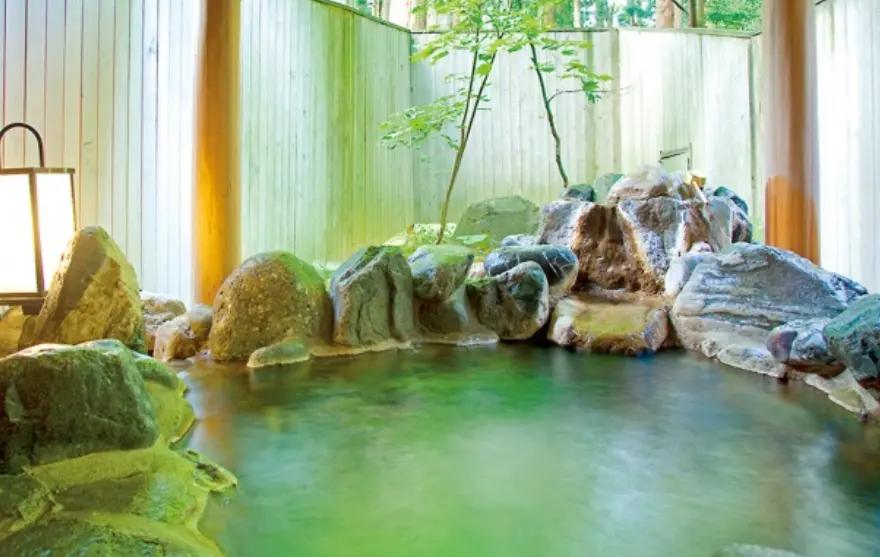
For many visitors, staying in an onsen ryokan (traditional Japanese inn with hot springs) is the highlight of a Hakusan trip. The mineral-rich waters here flow directly from underground springs fed by Mount Hakusan’s snowmelt.
At Ichirino Onsen, ryokan such as those near the ski area feature open-air baths surrounded by forest. After a day of exploring, guests can soak in steaming water while gazing at the stars—a uniquely Japanese form of relaxation.
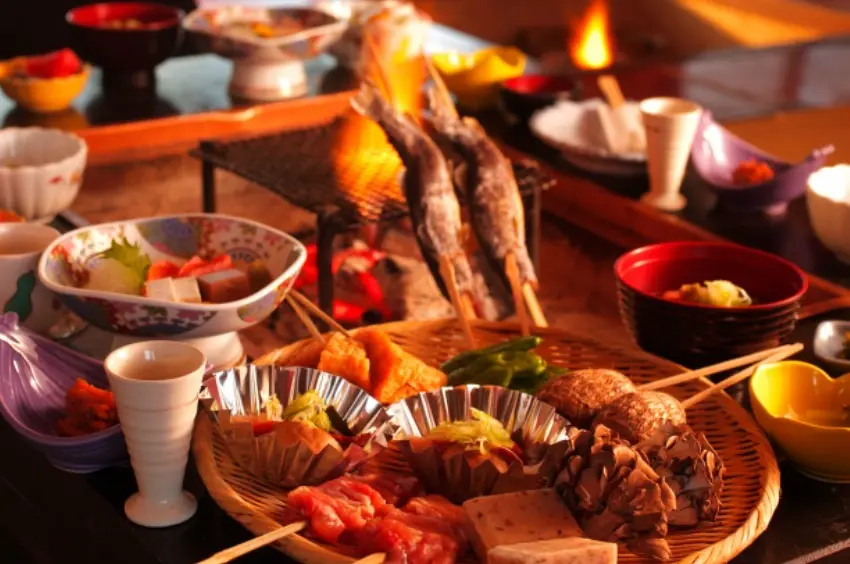
Meals at these ryokan often showcase local mountain cuisine: river fish grilled with salt, fresh vegetables from nearby farms, handmade soba noodles, and seasonal dishes like sansai (wild greens) in spring or mushroom hotpots in autumn.
Rooms are simple yet elegant, with tatami mats, sliding doors, and futon bedding. The combination of natural hot springs, warm hospitality, and seasonal food makes the Hakusan onsen ryokan experience truly restorative.
4. Traditional Village Stays in Shiramine
For travelers seeking culture and community, Shiramine Village offers one of the most authentic rural stays in central Japan.
This small settlement—once a hub for Hakusan pilgrims—is filled with wooden houses, narrow lanes, and the gentle sound of the Tedorigawa River nearby.
Several minshuku (family-run inns) and guesthouses in Shiramine are converted from traditional homes. Guests are welcomed with genuine hospitality, home-cooked meals, and stories about life in the mountains.
Some inns have irori hearths, where dinner is cooked over charcoal while guests and hosts chat together—a rare glimpse into Japan’s countryside warmth.
Staying in Shiramine allows you to experience “satoyama life”—the balance between people and nature. In the morning, you might hear temple bells or watch farmers tending rice fields; in the evening, you can bathe in the village onsen before sleeping under clear mountain skies.
It’s an experience that goes beyond tourism—an invitation to slow down and live, even for one night, in harmony with Hakusan’s sacred landscape.
5. Mountain Lodges and Guesthouses
For outdoor lovers, Hakusan offers comfortable mountain lodges, pensions, and guesthouses that cater to hikers, cyclists, and nature travelers.
Many of these accommodations are located around Ichirino, Bettou, and the approach to the Hakusan–Shirakawa-go White Road, offering easy access to trails and viewpoints.
Facilities range from simple tatami rooms to modern Western-style lodges with shared kitchens and lounges. Some even provide rental bicycles or guided nature walks.
In summer, the cool mountain air makes these lodges a pleasant escape from the heat of Kanazawa or Tokyo, while in winter, they transform into cozy snow retreats.
Even without luxury, these stays provide a priceless comfort—quiet nights under starry skies, local hosts who share travel tips, and the refreshing feeling of waking up surrounded by forests and clean air.
6. Local Food and Seasonal Cuisine
Food is an essential part of the Hakusan overnight experience.
Because the area is rich in water and mountain produce, most inns and ryokan serve local seasonal cuisine that reflects the mountain’s blessings.
Typical dishes include:
Ayu (sweetfish) grilled over charcoal from the Tedorigawa River.
Sansai (wild vegetables) picked fresh in spring.
Soba noodles made with pure Hakusan water.
Hotpot dishes (nabe) with mushrooms and local miso in autumn.
Rice and tofu made using the region’s pristine spring water.
Many guesthouses also prepare vegetarian-friendly meals upon request, following the spirit of shōjin ryōri—the simple, mindful cuisine of monks.
Dining in Hakusan is not just about taste—it’s about appreciating the natural cycle of the seasons and the respect locals show toward their land.
7. Practical Information for Staying Overnight
Booking & Reservations:
While some accommodations are available on global platforms such as Booking.com or Rakuten Travel, many smaller inns accept reservations by phone or email only. Hakusan City’s official tourism website and information centers can help with English assistance.
Check-in & Facilities:
Most ryokan and guesthouses check in from 3:00 p.m. to 6:00 p.m. and provide dinner around 6:30 p.m. If you’ll arrive late, always inform your host in advance. Credit cards may not be accepted everywhere, so it’s best to bring cash.
Winter Closures:
Some mountain lodges and small inns close during heavy snow season (typically December–March). Check availability in advance, especially if you plan to visit in early spring.
Cultural Etiquette:
Remove shoes at the entrance of ryokan and minshuku.
Bathing in onsen: wash before entering, and avoid using towels in the water.
Respect quiet hours at night—mountain villages are peaceful places where sound carries easily.
8. Suggested Itineraries: One-Night or Two-Night Plans
🌿 One-Night Plan (From Kanazawa)
Morning: Depart Kanazawa → visit Shirayama Hime Shrine and explore Tsurugi Town
Afternoon: Drive or take bus to Ichirino Onsen, check in to a ryokan
Evening: Enjoy hot springs and local cuisine, then stargaze in the quiet mountains
Next Morning: Return via Tedorigawa River Valley or stop at Shishiku Plateau for panoramic views
🏔 Two-Night Plan (Deeper Hakusan Experience)
Day 1: Kanazawa → Shirayama Hime Shrine → stay overnight in Shiramine Village
Day 2: Explore village life, visit Hakusan Folk Museum, enjoy hot springs → stay another night or continue to Ichirino Onsen
Day 3: Scenic drive through White Road or hiking in Hakusan National Park, then return to Kanazawa or Takayama
Both itineraries allow you to experience Hakusan’s blend of spiritual culture, rural hospitality, and natural beauty—slow travel at its finest.
© 2024 Kanazawa Experience. Affiliate Links