Kanazawa Experience
History & Faith of Hakusan: Discover Japan’s Sacred Mountain and Its Spiritual Legacy

1. Introduction: The Sacred Heart of Hokuriku
Rising gracefully between Ishikawa, Gifu, and Fukui prefectures, Mount Hakusan has long been revered as one of Japan’s Three Sacred Mountains, alongside Mount Fuji and Mount Tateyama. For over 1,300 years, this majestic peak has inspired devotion, awe, and spiritual reflection among those who live in its shadow.
Unlike the bustling temples of Kyoto or Nara, Hakusan’s faith is rooted in nature itself—the mountain, rivers, and forests are seen as sacred embodiments of divine power. Locals have long called it the “Sacred Heart of Hokuriku,” believing its snowmelt brings life to the plains below and blessings to the people who cultivate them.
Today, visitors can still feel this spiritual atmosphere not only at Shirayama Hime Shrine, the head shrine of Hakusan worship, but also along ancient pilgrimage routes, waterfalls, and serene mountain roads. To explore Hakusan is to witness how Japan’s spirituality has grown hand in hand with the natural world.
2. Origins of Hakusan Worship
The roots of Hakusan worship date back to the 8th century, during Japan’s Nara period. It is said that the Buddhist monk Taichō Daishi (泰澄大師), a native of nearby Echizen Province, became the first person to climb Mount Hakusan in the year 717 CE. He was guided by a divine vision of the mountain goddess, and his journey marked the beginning of Hakusan’s spiritual tradition.
Over time, Hakusan became a sacred site where Buddhism and Shinto beliefs intertwined—a reflection of Japan’s unique religious harmony. The mountain was seen as a place where deities and spirits dwell, and its snow-fed rivers symbolized purity and renewal.
Pilgrims began to travel from across the country to worship at Hakusan’s shrines and to climb the mountain as a form of ascetic training. These pilgrims, known as shugenja, believed that ascending Hakusan brought them closer to enlightenment and divine wisdom.
Even after more than a millennium, the spirit of Taichō’s journey continues to guide travelers today—reminding them that nature itself is the path to inner peace.
3. The Spiritual Landscape: Mountains, Rivers, and Shrines
Mount Hakusan’s faith is deeply connected to the natural world. Every element of the surrounding landscape—the mountain peaks, rivers, waterfalls, and forests—represents the divine presence of Hakusan Okami, the mountain goddess.
The most important river flowing from Hakusan is the Tedorigawa River, whose clear waters nurture the fertile plains of Ishikawa. Locals believe that these waters carry the blessings of the goddess to the people who live downstream. The entire ecosystem—from alpine snowfields to coastal farmlands—is considered part of Hakusan’s living temple.
Throughout the region, Shirayama Shrines can be found in nearly every town and village—over 3,000 in total across Japan. These shrines all trace their origins back to Hakusan, forming a vast spiritual network centered on the mountain.
Travelers driving, hiking, or cycling through the area will notice how seamlessly religion and nature merge here. A small roadside torii gate or a waterfall marked with shimenawa rope isn’t just decoration—it’s a sign that the divine resides in every corner of Hakusan’s landscape.
4. Hakusan Hime Shrine: The Center of Faith
At the foot of Mount Hakusan lies the revered Shirayama Hime Shrine (白山比咩神社), the head shrine (sohonsha) of all Hakusan shrines nationwide. Founded more than a thousand years ago, it enshrines Kukuri-hime no Kami, the goddess who mediates harmony and connection between people, nature, and the gods.
The approach to the shrine is lined with towering cedar trees that seem to whisper with the wind. As visitors walk the stone path toward the main hall, they are invited to purify their mind and heart. The atmosphere is calm yet powerful—a sacred stillness that many travelers describe as unforgettable.
Throughout the year, the shrine hosts numerous rituals and festivals, including Haru Matsuri (Spring Festival) and Reitaisai (Grand Autumn Festival). These celebrations combine ancient Shinto traditions with local music, dance, and community spirit, offering a rare chance to experience living Japanese faith.
Visitors are welcome to join in prayer, draw omikuji fortunes, or simply sit beneath the trees and feel the mountain’s quiet energy. Shirayama Hime Shrine is not only a historical site—it’s a living gateway into the soul of Hakusan.
5. Pilgrimage Routes and Ancient Trails
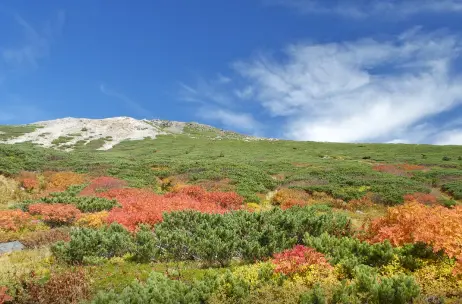
Long before paved roads and maps, pilgrims and monks crossed the rugged mountains of Hakusan on sacred trails known as Zenjōdō—the ancient Hakusan pilgrimage routes. These paths connected the mountain with nearby provinces and shrines, guiding worshippers from the sea to the sacred summit.
One of the most famous routes, the Kaga Zenjōdō, began near the current Shirayama Hime Shrine and wound through cedar forests, waterfalls, and alpine meadows toward the peak of Mount Hakusan. Pilgrims would purify themselves in rivers and pray at small stone shrines along the way before continuing upward.
Even today, parts of these historical trails are open for hiking. Modern visitors can experience a symbolic version of the pilgrimage, walking through forests once used by monks and ascetics seeking enlightenment. Some local guides and tourism centers offer half-day trekking tours that combine history, faith, and natural beauty.
The experience is not about reaching the summit—it’s about slowing down, breathing with nature, and retracing the steps of those who saw the divine in every stone and stream.
6. Legends and Folklore of Mount Hakusan
Over centuries, Mount Hakusan has inspired countless legends, myths, and folktales that blend Buddhism, Shinto, and local beliefs. At the heart of these stories stands Kukuri-hime, the gentle goddess of mediation and harmony. According to ancient texts, she once reconciled the gods Izanagi and Izanami, symbolizing the power to unite opposing forces.
Other tales speak of the snow spirit who brings both purity and hardship to mountain villagers, or the river dragon that guards the Tedorigawa’s waters. In every legend, Hakusan is portrayed as alive—a sacred being that watches over people, testing their respect for nature.
Storytelling remains part of the local culture. In small villages like Shiramine or Ichirino, elders still recount how the mountain’s snowmelt was once called “the tears of the goddess,” believed to bring good harvests and protection from disasters.
Listening to these tales reveals more than superstition—it shows how deeply intertwined the people’s lives, nature, and faith have been for generations around Hakusan.
7. Modern Faith and Local Culture
Though the ancient pilgrimages have faded, the spirit of Hakusan’s faith continues to live strongly in local communities. Every year, festivals, rituals, and cultural events celebrate the mountain’s blessings and the cycle of seasons.
The Hakusan Festival held in summer gathers locals and visitors alike to honor the mountain goddess with music, dance, and traditional processions. In autumn, the Reitaisai of Shirayama Hime Shrine attracts worshippers from across Japan, filling the shrine grounds with food stalls and rhythmic taiko drumming.
Modern worship often focuses on gratitude for water, forests, and safe harvests—a reflection of how ancient nature worship still shapes the mindset of people today. Visitors can sense this living tradition not only in rituals, but also in everyday gestures: farmers offering rice to the shrine, hikers bowing before waterfalls, or residents caring for roadside shrines.
For travelers, Hakusan’s culture is not a museum piece—it’s a living dialogue between the past and present, between humans and the divine.
8. Visiting Hakusan Today: Experience and Reflection
For modern visitors, exploring the faith of Hakusan can be both a spiritual journey and a cultural adventure. Start your visit at Shirayama Hime Shrine, where English pamphlets and gentle explanations from priests help introduce the mountain’s sacred story. Participate respectfully in simple rituals—bow twice, clap twice, bow once—and feel the quiet connection to centuries of worshippers.
Those who wish to go deeper can hike a portion of the old pilgrimage routes or join guided cultural walks in Shiramine. Many local ryokan offer vegetarian meals inspired by shōjin ryōri, the cuisine of monks, made from mountain vegetables and spring water.
Visitors are encouraged to approach Hakusan not as a tourist attraction, but as a place of reflection—where faith and nature still coexist in harmony. Whether you light incense at the shrine, listen to the flow of the Tedorigawa River, or watch the sunset over the sacred peaks, Hakusan reminds every traveler of a timeless truth:
respect for nature is respect for life itself.
© 2024 Kanazawa Experience. Affiliate Links