Kanazawa Experience
10 Essential Safety Tips for a Stress-Free Trip to Kanazawa
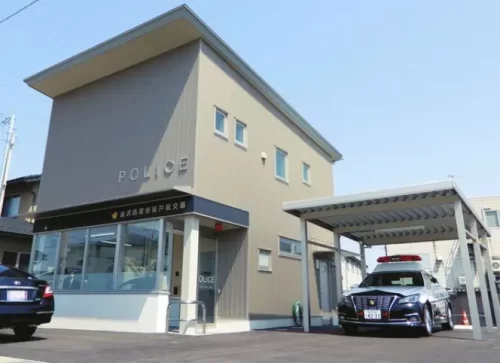
Kanazawa is widely recognized as one of Japan’s safest and most welcoming cities. With its beautifully preserved samurai districts, the stunning Kenrokuen Garden, and fresh seafood, it offers a peaceful atmosphere distinct from the bustle of Tokyo or Osaka.
However, “safe” doesn’t mean “risk-free.” Whether it is navigating snowy streets in winter or knowing what to do in the unlikely event of an earthquake, being prepared ensures your trip remains enjoyable.
Here are 10 essential safety tips to help you explore Kanazawa with confidence, including useful links to official emergency resources.
1. Understanding Kanazawa’s Safety Level
Is Kanazawa safe for tourists? The short answer is yes. The crime rate is exceptionally low by global standards. Violent crime is rare, and the city is generally safe for solo female travelers and families.
Key Reality Check:
General Vibe: You will feel secure walking through major spots like Kanazawa Castle Park or the 21st Century Museum of Contemporary Art.
The “However”: Low crime does not mean no crime. Petty theft can happen in crowded areas, and natural hazards (like heavy snow or seismic activity) are factors to consider in Japan.
2. Staying Aware of Pickpocketing and Scams
While you won’t find aggressive pickpocket gangs here, complacency can be an issue. Tourists often let their guard down completely because of Japan’s safe reputation.
Best Practices:
Crowded Spots: Be extra mindful of your belongings in high-traffic areas like Omicho Market or inside packed buses.
The “Friendly” Stranger: While locals are genuinely kind, be cautious of anyone aggressively trying to pull you into a bar or club, particularly in the Katamachi nightlife district.
Bag Safety: Keep your bag zipped and in front of you when navigating narrow, crowded aisles in markets.
3. Emergency Contacts and Useful Phrases
In an emergency, knowing who to call can save valuable time. Save these numbers in your phone before you arrive.
Essential Numbers:
Police: 110
Fire / Ambulance: 119
Japan Visitor Hotline (JNTO): 050-3816-2787 (Available 24/7 in English)
Medical Help: If you need to find a hospital that speaks English, the Japan National Tourism Organization (JNTO) provides a searchable database.
Guide to Medical Care in Japan: https://www.jnto.go.jp/emergency/eng/mi_guide.html
Survival Japanese:
“Tasukete kudasai” (Please help me)
“Keisatsu o yonde kudasai” (Please call the police)
“Kibun ga warui desu” (I feel unwell)
4. Navigating Natural Disasters in Kanazawa
Japan is located on the “Ring of Fire,” and earthquakes can occur. Following the Noto Peninsula Earthquake in early 2024, awareness is more important than ever.
Earthquake Safety:
Indoors: Do not rush outside. Drop, cover, and hold on under a sturdy table. Stay away from glass windows.
Information Source: Always check the Japan Meteorological Agency (JMA) for official earthquake and tsunami warnings.
JMA Official Website: https://www.jma.go.jp/jma/indexe.html
Typhoons (June – October):
Typhoons can cause train suspensions (Shinkansen and Thunderbird express). Check the JR West website for real-time operation status.
JR West Train Status: https://www.westjr.co.jp/global/en/
5. Traffic and Pedestrian Safety
Kanazawa is a castle town, meaning many streets in historical districts like Higashi Chaya and Nagamachi Samurai District are intentionally narrow and winding.
Watch Out For:
Narrow Roads: Many streets lack sidewalks. Pedestrians, cars, and buses share the same narrow space. Walk in single file and stay to the side.
No Jaywalking: Japan is strict about traffic rules. Always use crosswalks and wait for the green signal, even if no cars are coming.
Cyclists: Rental bikes (like “Machi-Nori”) are popular. If you ride, follow the flow of traffic and never ride on sidewalks designated for pedestrians only.
6. Safe Food and Water Practices
One of the highlights of Kanazawa is the food, especially the sushi and seafood bowls (kaisendon).
Water:
Tap Water: The tap water in Kanazawa is soft, clean, and perfectly safe to drink. You do not need to buy bottled water unless you prefer it.
Food Safety:
Raw Fish: Sushi restaurants in Kanazawa maintain incredibly high hygiene standards. It is safe to eat raw fish here. However, if you have allergies (e.g., shellfish, buckwheat/soba), carry an allergy card written in Japanese to show the chef.
7. Avoiding Cultural Misunderstandings
Safety also means avoiding conflict by respecting local manners. Kanazawa is a city deeply rooted in tradition.
Key Etiquette:
Quietness: Avoid talking loudly on buses or trains.
Photography: In the Geisha districts (Higashi Chaya / Kazuemachi), do not touch the Geisha or block their path for a photo. There are strict rules against paparazzi-like behavior in these areas.
Shoes: Always remove your shoes when entering tatami rooms in ryokans, temples, or some izakaya.
8. Nighttime Safety Tips
Kanazawa’s nightlife is concentrated around the Katamachi and Kigura-machi areas. It is generally very safe, but standard street smarts apply.
Touts: In Katamachi, you may see touts trying to get you into their establishments. A polite “No, thank you” is enough.
Walking Alone: The main streets are well-lit, but residential backstreets can be very dark. Stick to main roads if you are walking back to your hotel late at night.
Taxis: Taxis are safe, reliable, and honest. You will never be overcharged.
9. Protecting Yourself from Weather Extremes
The weather in Kanazawa is famous for being changeable (“You can forget your lunchbox, but don’t forget your umbrella,” as the local saying goes).
Winter (December – March):
Snow & Ice: It snows heavily. Sidewalks become slippery. Wear non-slip boots. Do not walk with your hands in your pockets; if you slip, you need your hands to break your fall.
Roof Snow: Be careful walking under eaves, as snow can slide off roofs.
Summer (July – August):
Heatstroke: It gets humid and hot. Drink plenty of water and use vending machines frequently.
10. Digital Safety and Staying Connected
Staying connected is your lifeline for maps and translation.
Free Wi-Fi: Available at Kanazawa Station and many tourist spots (“Kanazawa Free Wi-Fi”). However, public networks are not always secure. Use a VPN if you are accessing banking apps.
Useful Apps: We highly recommend downloading the “Safety tips” app. It is a free app developed under the supervision of the Japan Tourism Agency that notifies you of earthquakes, tsunamis, and other weather warnings in Japan.
Safety tips App (Android/iPhone): https://www.jnto.go.jp/safety-tips/eng/
Final Thoughts
Kanazawa is a wonderful place to explore, blending Edo-period history with modern art. By keeping these simple safety tips in mind—and keeping the emergency links handy—you can relax and fully enjoy the beauty of the Hokuriku region.