Kanazawa Experience
Modern Kanazawa and Beyond
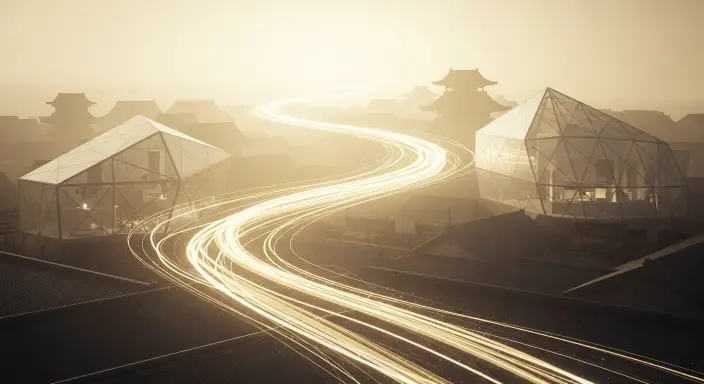
Illustrated image — “Light of Kanazawa,” representing the path connecting tradition and the future.
1. Layers of Time: Understanding Modern Kanazawa
Kanazawa is often introduced as a “historic city,” famous for teahouse districts, samurai neighborhoods, and traditional arts.
But the true charm of modern Kanazawa lies in the way multiple eras—Edo, Meiji, Showa, and Reiwa—coexist seamlessly in one walkable city.
Because the city escaped major war damage, its old streets remain intact. At the same time, modern design, contemporary art, and new creative communities continue to reshape the city’s identity.
Here, “modern Kanazawa” is not only about architecture—it is about a living culture that evolves while honoring its roots.
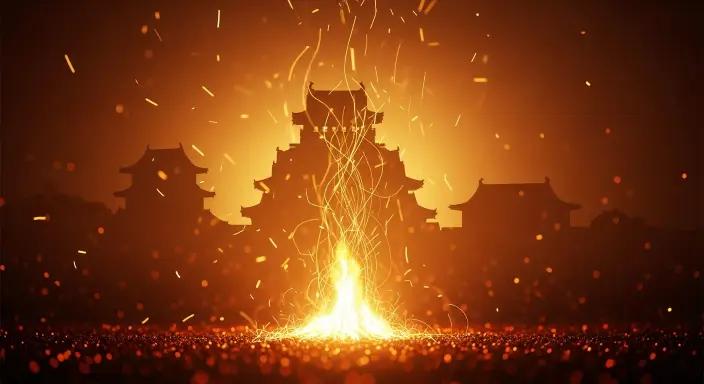
Illustrated image — “Fire of Kanazawa,” representing the city’s rebirth from past challenges.
2. Where Tradition Meets Modern Life
2-1. Timeless Landscapes Preserved in the City Center
Historic neighborhoods remain remarkably untouched:
Nagamachi Samurai District with its iconic earthen walls
Higashi Chaya District, a preserved teahouse street
Nishi Chaya District, quieter but deeply atmospheric
Kazue-machi, romantic along the Asanogawa River at night
These areas offer a direct connection to Kanazawa’s feudal past.
2-2. And Just Steps Away—A Modern City
Walk only a few minutes, and the scenery shifts:
The futuristic Tsuzumi Gate at Kanazawa Station
The open modern civic spaces around the city hall
Redeveloped shopping districts in Korinbo and Kata-machi
Trendy cafés, design shops, and stylish boutique hotels
This sharp yet harmonious contrast is what surprises most visitors.
Modern Kanazawa is not divided—it flows naturally between eras.

Illustrated image — “Water of Kanazawa,” evoking the calm flow of the city’s waterways and spirit.
3. Modern Culture & Art: The Creative Side of Kanazawa
21st Century Museum of Contemporary Art
Perhaps the most iconic representation of modern Kanazawa.
Its circular architecture, interactive exhibits, and open outdoor spaces attract global visitors.
Craftsmanship Reimagined
Kanazawa’s traditional crafts continue to evolve:
-
Contemporary Kaga Yuzen designs
-
Modern gold-leaf products
-
Independent galleries showcasing young artists
Craft is not only preserved—it is being redesigned for the future.
Everyday Creativity
Modern Kanazawa thrives through community:
-
Art festivals and street markets
-
Local creators opening workshops and cafés
-
Pop-up events in repurposed historic buildings
This coexistence of old structures and new creativity is uniquely Kanazawa.
4. Seasonal & Night-Time Faces of Kanazawa
Seasonal Changes
-
Spring:Cherry blossoms framing traditional houses
-
Summer:Festivals and outdoor cultural events
-
Autumn:Vibrant foliage at gardens and modern architecture
-
Winter:Snow-covered teahouse streets, lit softly at night
Night Charm
-
Kazue-machi’s romantic illumination
-
Vibrant night life around Kata-machi
-
The quiet, reflective atmosphere of 21st Century Museum at night
Kanazawa’s modern charm shifts dramatically depending on season and time.
5. Suggested Route to Experience “Modern Kanazawa”
Half-Day Walkable Course
-
Kanazawa Station → Tsuzumi Gate
-
Walk toward Korinbo (modern commercial district)
-
21st Century Museum of Contemporary Art
-
Stroll around the outer paths of Kenrokuen (nature × architecture)
-
Move to Higashi Chaya District (historic shift)
-
Finish in Kazue-machi for night scenery
6. A City Creating Its Future
Kanazawa is not just a place where the past survives.
It is a city where tradition inspires innovation, and where both locals and visitors can feel “time layered” within daily life.
Whether you are wandering through a samurai neighborhood or exploring contemporary art installations, you are experiencing a living city that continues to evolve.