Kanazawa Experience
Hidden Gem of Noto: 5 Reasons "Magaki-no-Sato" Will Steal Your Heart (A Driver's Guide)
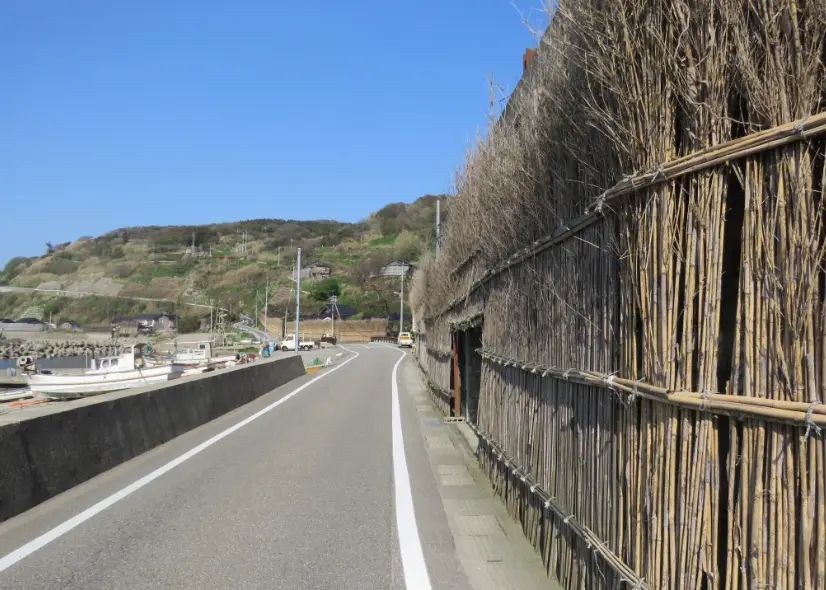
The unique bamboo fences of Osawa district protect the village from the sea winds. (Source: Wikimedia Commons)
While Kanazawa offers the refined beauty of gardens and gold leaf, the Noto Peninsula offers raw, untouched landscapes that stir the soul.
Located about a 2.5-hour drive from Kanazawa, on the rugged coast of Wajima City, lies a tiny, picturesque village known as “Magaki-no-Sato” (The Village of Bamboo Fences). This area, specifically the Osawa and Kami-Osawa districts, looks like a scene from a fantasy novel or a time-slip movie.
Why should you make the long drive here? Because it offers a scenery you cannot see anywhere else in Japan.
Here are 5 fascinating reasons why this traditional village is worth the journey, along with essential tips for drivers.
1. The “Magaki”: A Landscape Born of Necessity
The first thing that strikes you is the village’s appearance. Every house is surrounded by tall fences made of bitter bamboo, reaching nearly 5 meters high. These are called “Magaki.”
They are not just for decoration. Facing the Sea of Japan, this village endures harsh seasonal winds and blowing sand in winter. The villagers created these fences centuries ago to protect their homes and lives.
Our Pro’s Tip: Take a moment to look closely at the fences. In summer, they provide cool shade (“Magaki no Suzumi”), and in winter, they block the freezing gales. It is a perfect example of sustainable architecture living in harmony with nature.
2. A “Secret Village” Atmosphere (Heike Legend)
Walking through the narrow alleys between the tall bamboo fences feels like wandering through a maze. It is incredibly quiet, with only the sound of the waves nearby.
Legend has it that this village was founded by “Heike no Ochiudo”—samurai fugitives from the Taira clan who fled here after losing a major war in the 12th century. They chose this hidden cove to escape notice. The secluded, melancholic beauty of the village certainly makes this legend feel real.
3. The Ultimate Driving Scenic Route
For those who love driving, the journey to Magaki-no-Sato is part of the adventure.
From Kanazawa, you will drive along the Noto Satoyama Kaido (a free scenic highway) and then navigate the winding coastal roads of Wajima. The route offers breathtaking views of the Sea of Japan, dramatic cliffs, and rice terraces (like the famous Shiroyone Senmaida nearby).
Driver’s Note: The roads leading directly to the Osawa district can be very narrow and winding. Please drive slowly and be prepared to yield to oncoming traffic. A compact car is recommended for this trip.
4. Setting of the Famous TV Drama “Mare”
Magaki-no-Sato gained nationwide fame as the main filming location for the popular NHK morning drama series “Mare” (2015).
The drama depicted the warm human relationships and the pursuit of dreams in the Noto region. Fans of the show visit to see the actual locations where the characters lived. Even if you haven’t seen the show, the nostalgic “old Japan” vibe is undeniable.
5. The Warmth of “Satoyama” and “Satoumi”
In 2011, Noto’s “Satoyama and Satoumi” (the ecosystem of woodlands and seas) was designated as a Globally Important Agricultural Heritage System (GIAHS), the first in Japan.
Magaki-no-Sato is the embodiment of this heritage. It represents a lifestyle that respects the cycle of nature. Unlike the commercialized tourist spots, here you can feel the real, breathing pulse of rural Japan.
Important Note on Current Conditions (Earthquake Recovery)
The Noto Peninsula was significantly affected by the earthquake on January 1, 2024. While the spirit of the people is strong, some roads and facilities in the Wajima area may still be under repair or inaccessible.
Before you go:
-
Check Road Status: Always verify the latest road closures on the [LINK PLACEHOLDER: Ishikawa Prefecture Road Info Link].
-
Respect the Locals: This is a residential area, not a theme park. Please keep noise down and do not enter private properties.
-
Support Local: If businesses are open, buying local products is the best way to support their recovery.
Conclusion
Magaki-no-Sato is a place that reminds us of the power of nature and the resilience of human ingenuity. It is a hidden jewel that requires a bit of effort to reach, but the scenery that awaits is an unforgettable reward.
Rent a car, respect the road, and discover the deep beauty of the Noto Peninsula.
Location Information:
-
Place: Osawa District, Wajima City, Ishikawa Prefecture
-
Access: Approx. 30-40 minutes by car from central Wajima.
© 2024 Kanazawa Experience. Affiliate Links