Kanazawa Experience
Kutani Ware Painting Experience – 360 Years of Color and Tradition
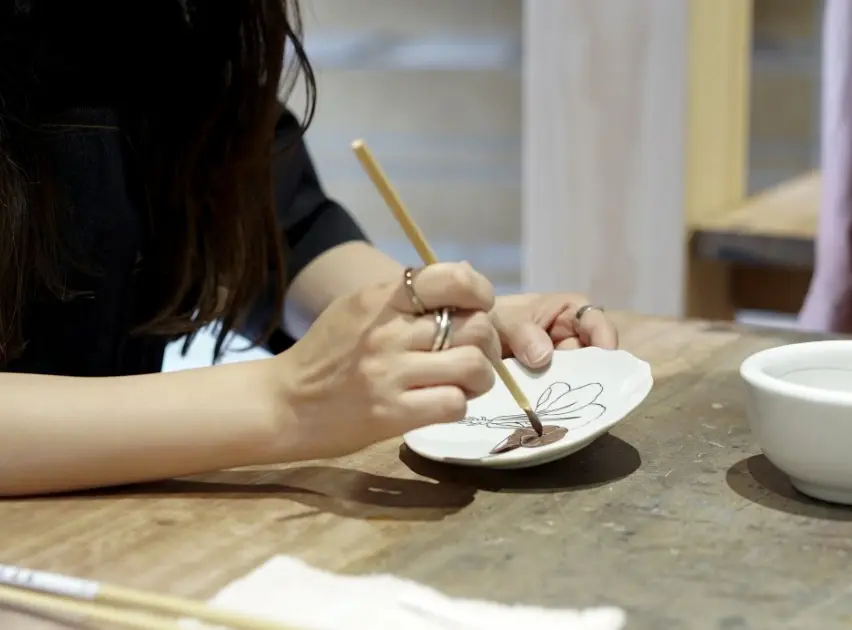
Discover the Beauty of Kutani Ware
With more than 360 years of history, Kutani ware is one of Japan’s most vibrant and expressive ceramic traditions. Famous for its bold colors, delicate brushwork, and rich decorative themes, it has captured the imagination of artisans and collectors for centuries.
A Kutani painting experience in Kanazawa allows you to step into this world of color and tradition, creating a piece that is uniquely your own.
The Origins of Kutani Ware
Kutani porcelain began in the 17th century in the Kutani region of Ishikawa. Early artisans aimed to create ceramics that matched the refinement of Chinese porcelain, but over time Kutani ware developed a distinctly Japanese character.
Its signature style—known as Kutani Gosai or the “Five Kutani Colors”—features vivid shades of red, green, yellow, blue, and purple. These colors, applied with layered pigments and specialized glazes, give Kutani ware its unmistakable brilliance.
How Kutani Ware Is Painted
Every Kutani piece begins as plain white porcelain, shaped and fired before it is decorated. Artisans then paint designs by hand using fine brushes and mineral-based pigments.
Motifs often include seasonal flowers, birds, landscapes, geometric patterns, or scenes from folklore. Bold outlines, rich color contrasts, and intricate details give each piece a lively and expressive character. No two items are ever the same.
The Meaning Behind the Colors
Each of the traditional Kutani colors carries a symbolic meaning rooted in Japanese culture:
Red for vitality
Green for growth
Yellow for prosperity
Blue for harmony
Purple for dignity
When combined, these colors create a balanced and visually striking composition. Their harmony is part of what makes Kutani ware loved by art enthusiasts in Japan and around the world.
Create Your Own Kutani Masterpiece
Joining a Kutani painting workshop in Kanazawa offers a rare chance to experience this tradition firsthand.
After a short introduction to the history and techniques, you are given a blank porcelain item—often a plate, cup, or small dish—to decorate. Using traditional brushes and pigments, you can paint your own original design at your own pace.
Once completed, the piece is glazed and fired so the colors become vivid and permanent—a beautiful souvenir of your time in Kanazawa.
Kutani Ware in Japanese Culture
For centuries, Kutani ware has been admired in aristocratic households, tea ceremonies, temples, and private homes. Its refined beauty and expressive style have influenced modern ceramics, interior design, and even contemporary art.
Today, both traditional and modern Kutani pieces continue to inspire new generations of creators.
Why Kutani Ware Remains Timeless
Even after hundreds of years, Kutani ware feels fresh and modern. Its bold color palette, imaginative motifs, and high level of craftsmanship make each piece a work of art.
By taking part in a painting experience, visitors help preserve this cultural legacy while creating something personal and meaningful.
Practical Information
Location: Kanazawa, Ishikawa Prefecture
Duration: 1–2 hours
Recommended for: Families, couples, beginners, art lovers
What You Create: A hand-painted porcelain item (plate, cup, etc.)
How to Join: Workshops are available at various studios in Kanazawa. Please check availability or contact us for details.
Continue Exploring Kanazawa’s Crafts
If you are interested in traditional arts, you may also enjoy:
Kutaniyaki-related exhibits in the Kaga region
Lacquerware workshops in Yamanaka
Other hands-on cultural experiences around Kanazawa
Ready to Try Kutani Painting?
A Kutani ware painting workshop is a memorable way to connect with local culture and bring home a one-of-a-kind creation.
Feel free to explore our cultural experiences or contact us for more information.
© 2024 Kanazawa Experience. Affiliate Links